
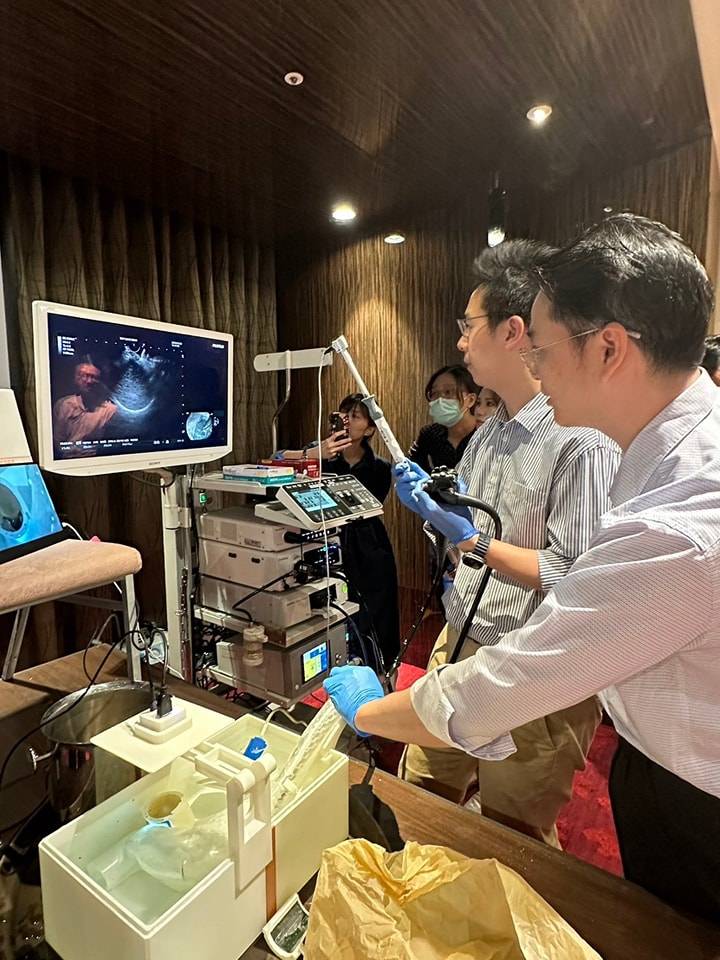
A practical training platform for interventional EUS and ERCP — from anatomy and puncture, through scope & guidewire manipulation, to fistula creation and stenting.
A growing family of station models covering diagnostic and therapeutic biliopancreatic endoscopy.
Cannulation, stone & stricture management, sphincterotomy and stenting.
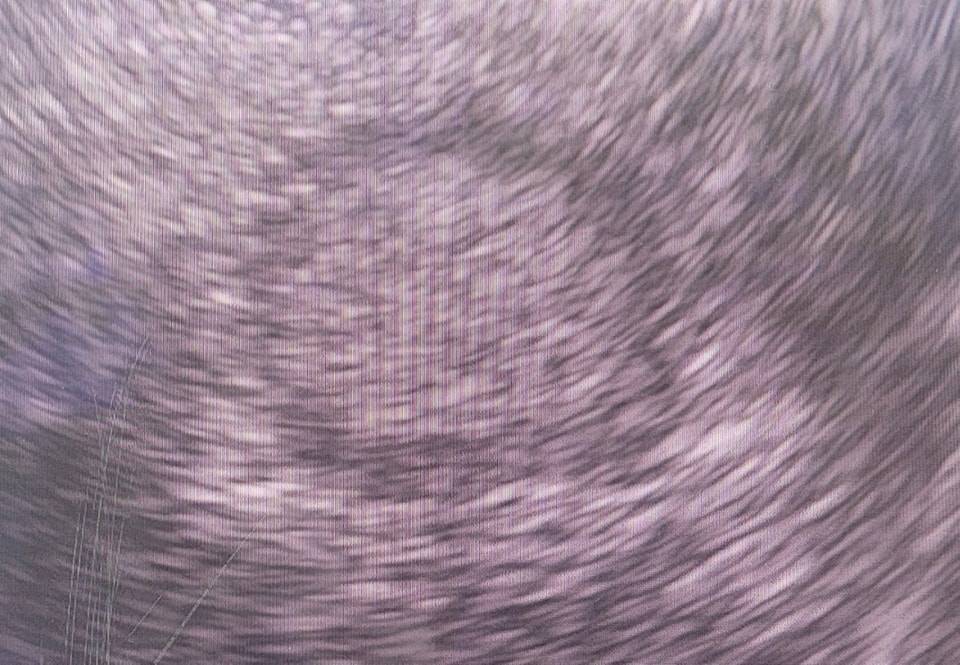
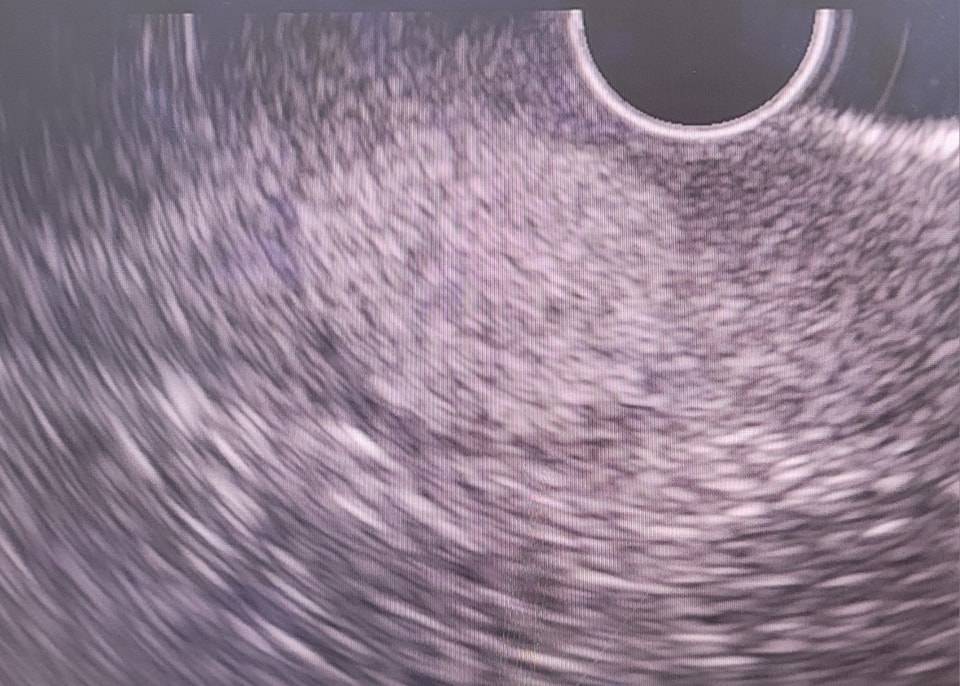
Fine-needle aspiration & biopsy: targeting, puncture angle and sampling.
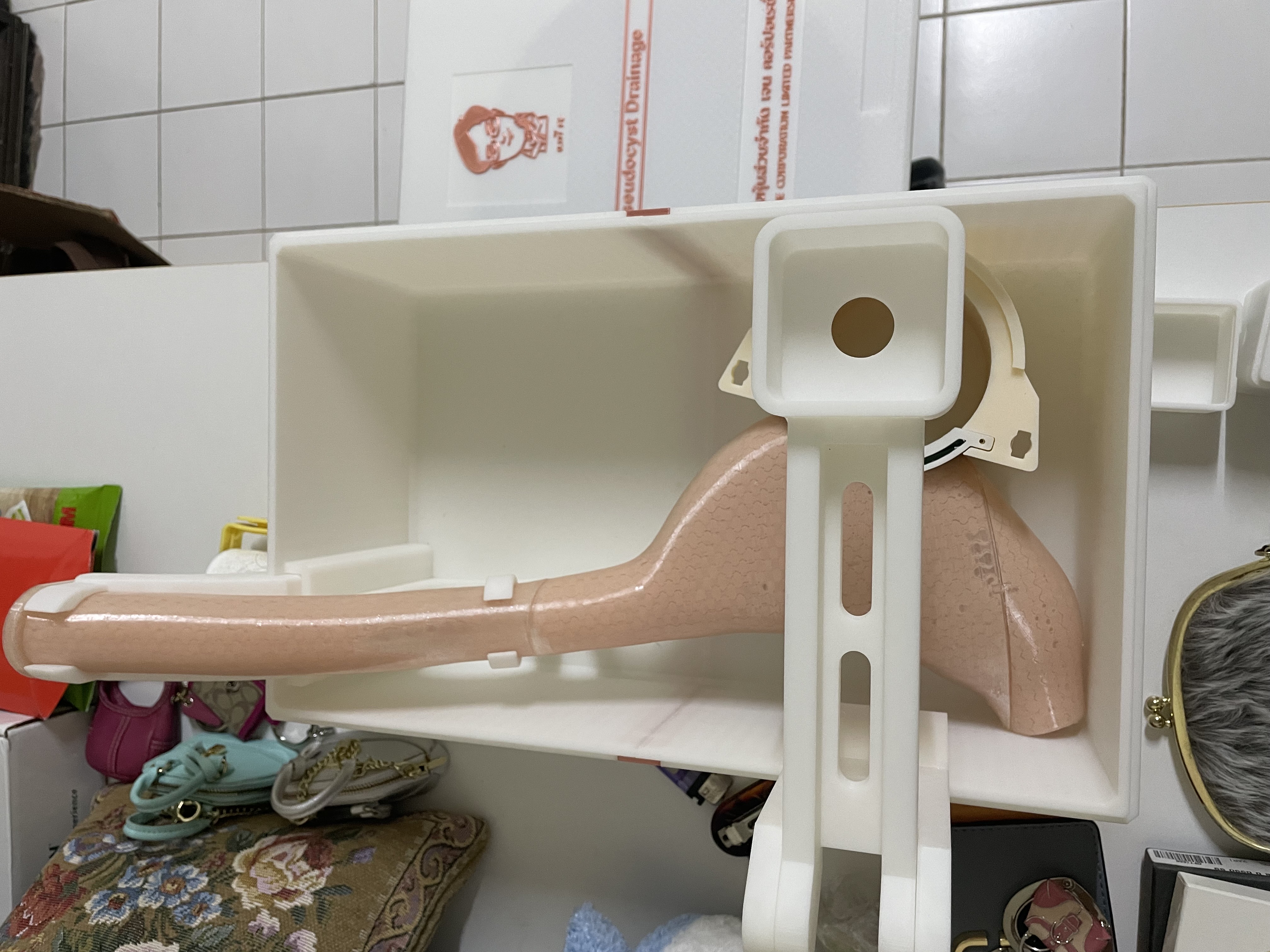
Cyst-gastrostomy drainage with lumen-apposing stent placement.
Gallbladder drainage puncture, tract creation and stenting.
Choledochoduodenostomy: transduodenal biliary access and stent.
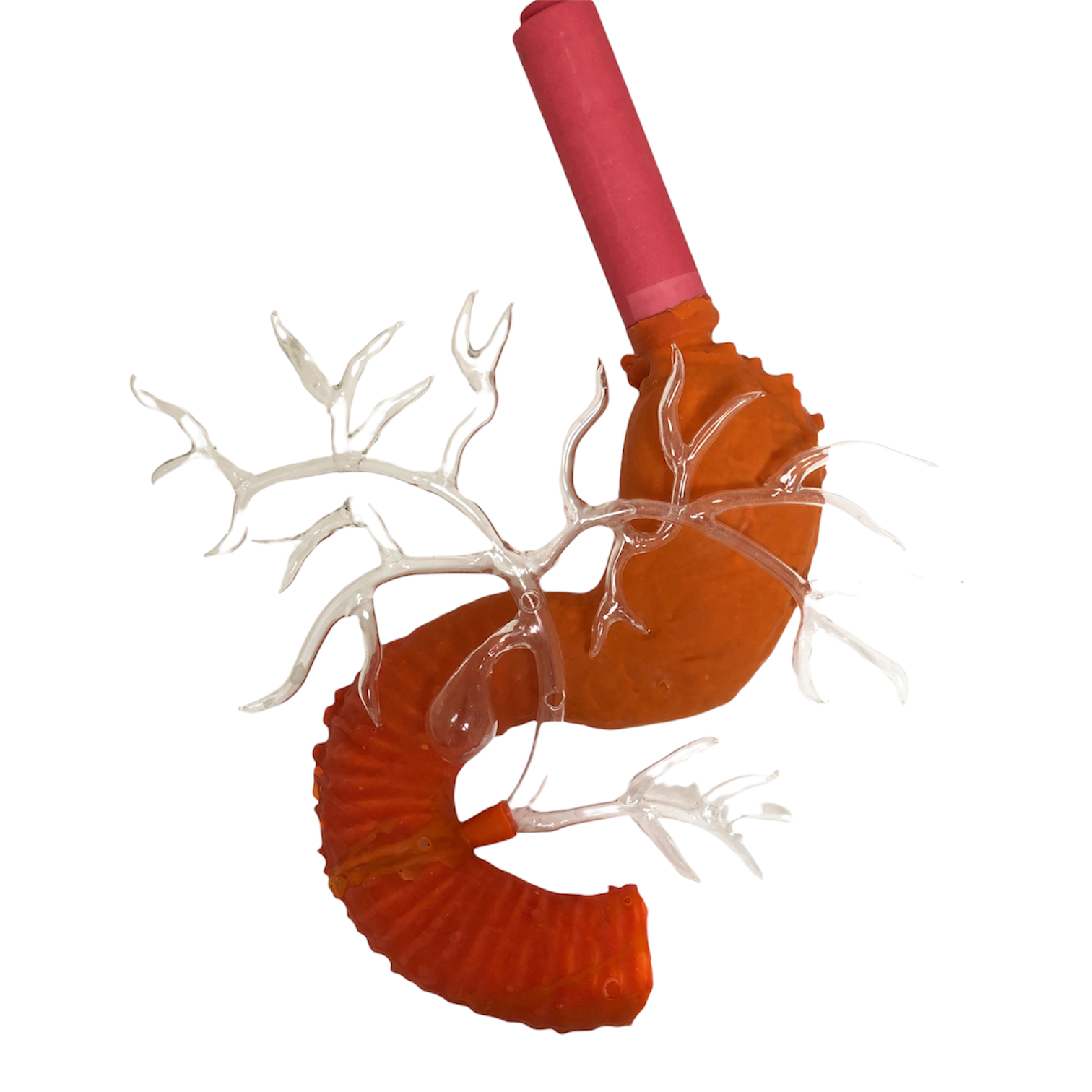
Hepaticogastrostomy: puncture at the bifurcation, guidewire and stent.
Coil embolization station — in development for the next release.
Recognise the target and safe window before the needle goes in.
Coordinated scope position and wire control under EUS.
A repeatable sequence for each procedure, start to finish.
Adapt when the standard step does not go to plan.
Recognise, rescue and correct a poorly deployed stent.
Handle length mismatch and its consequences on the model.
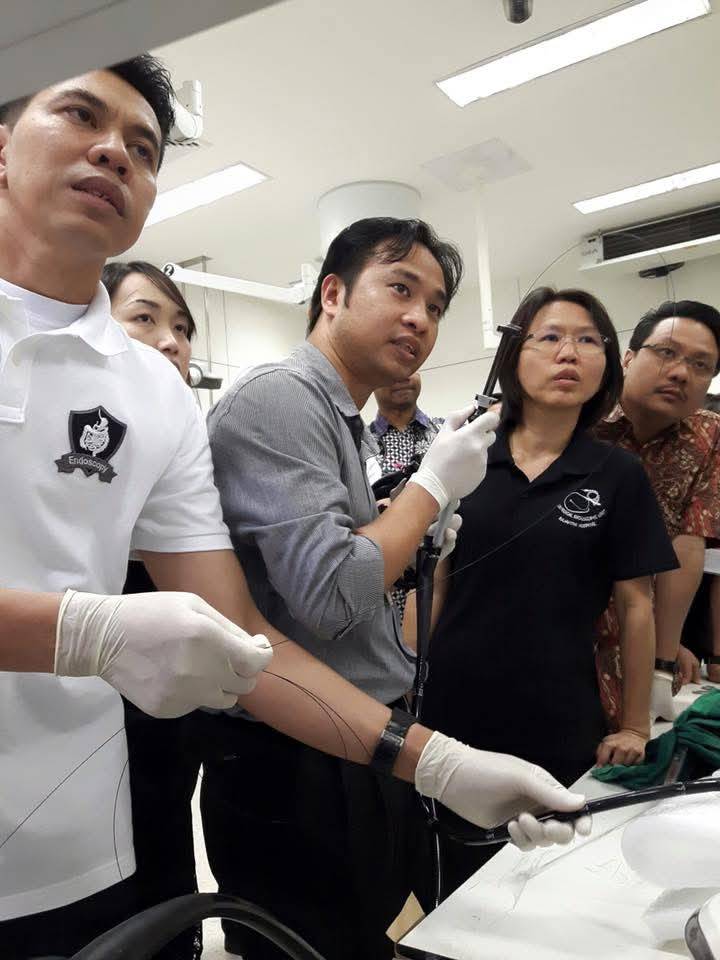
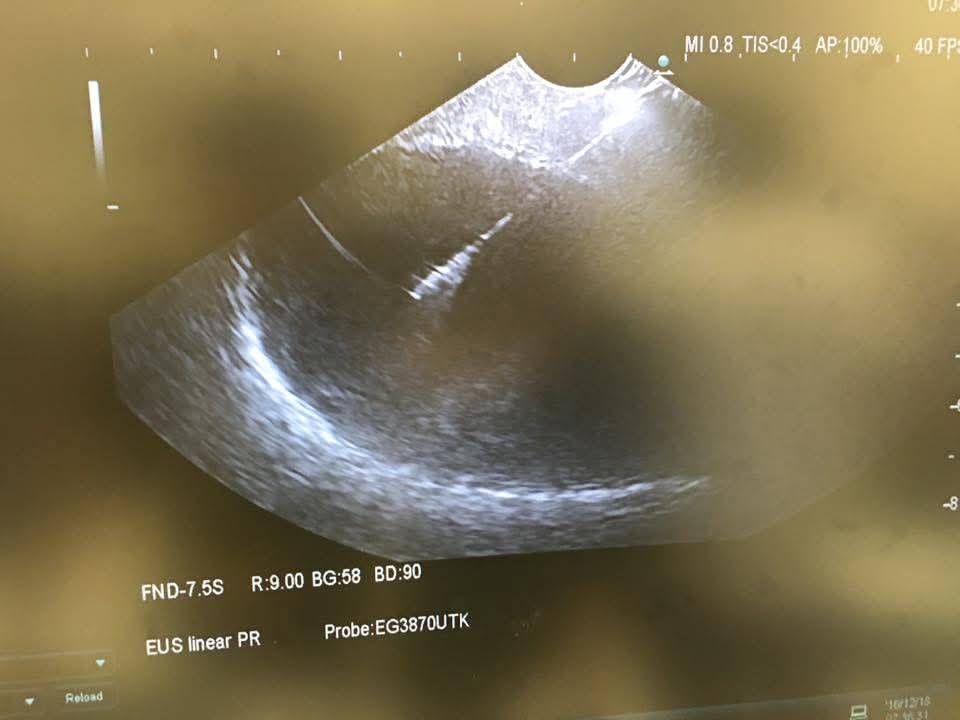
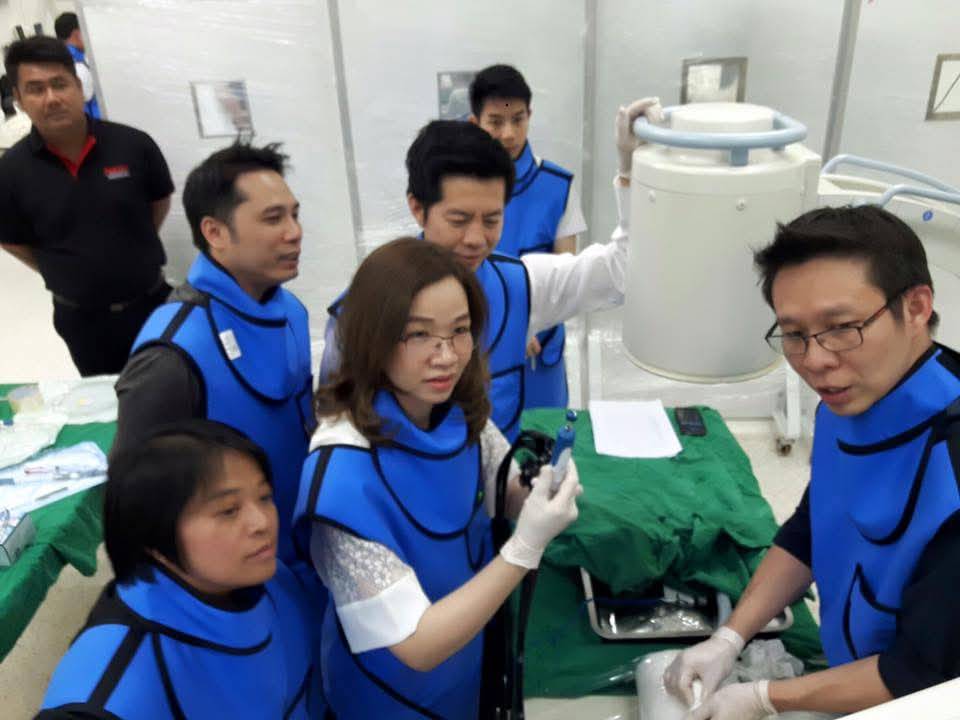
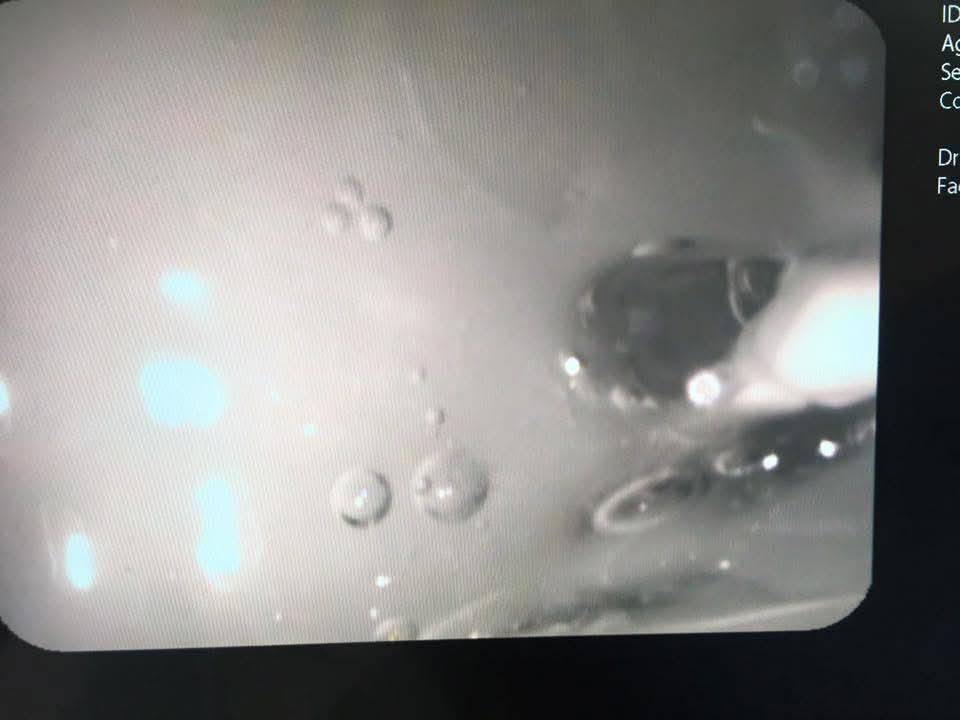
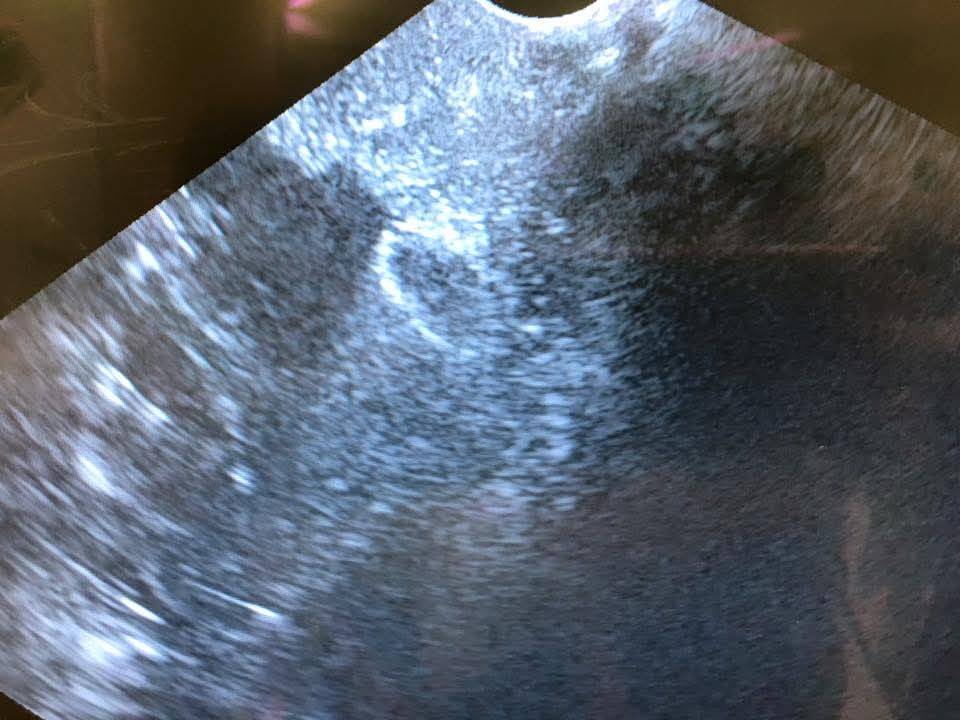
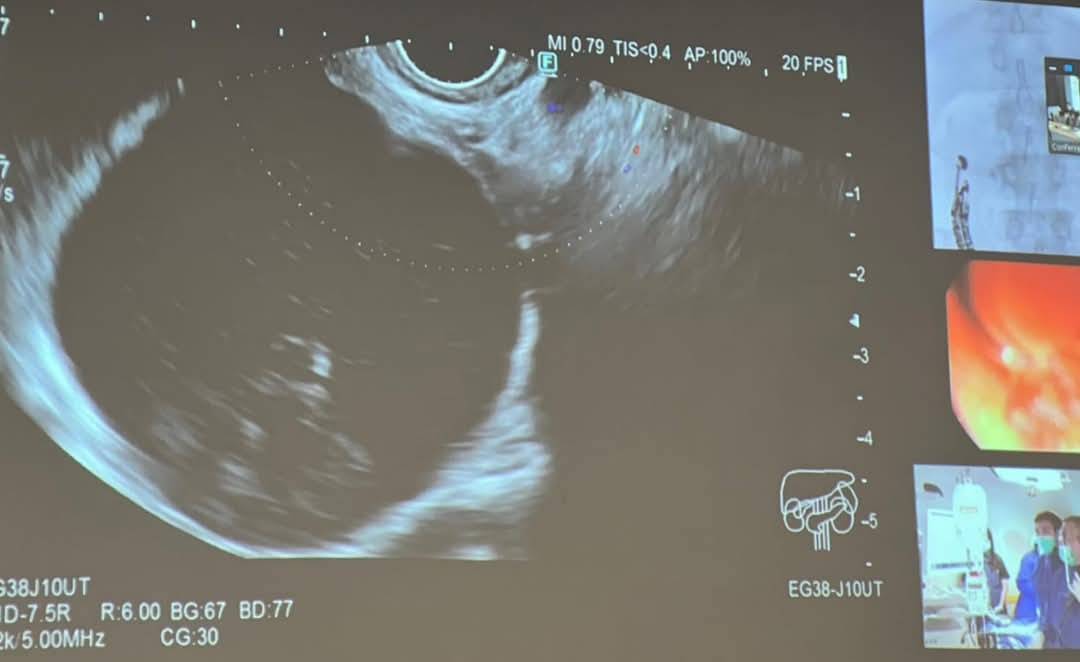
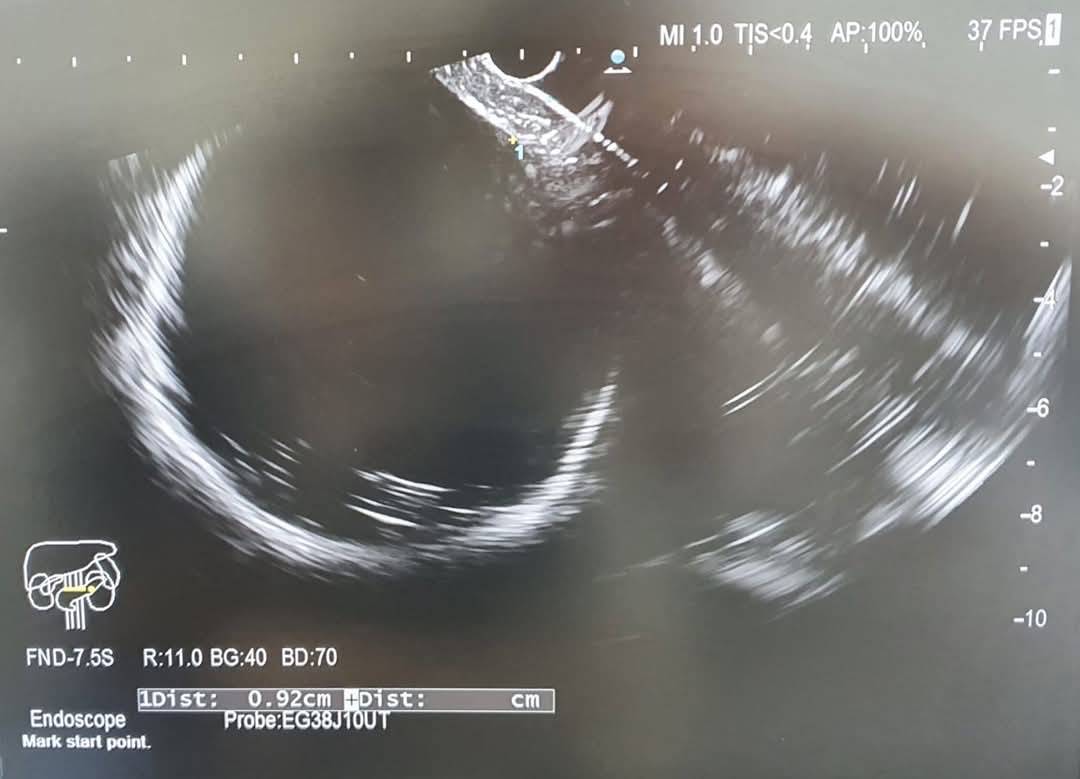
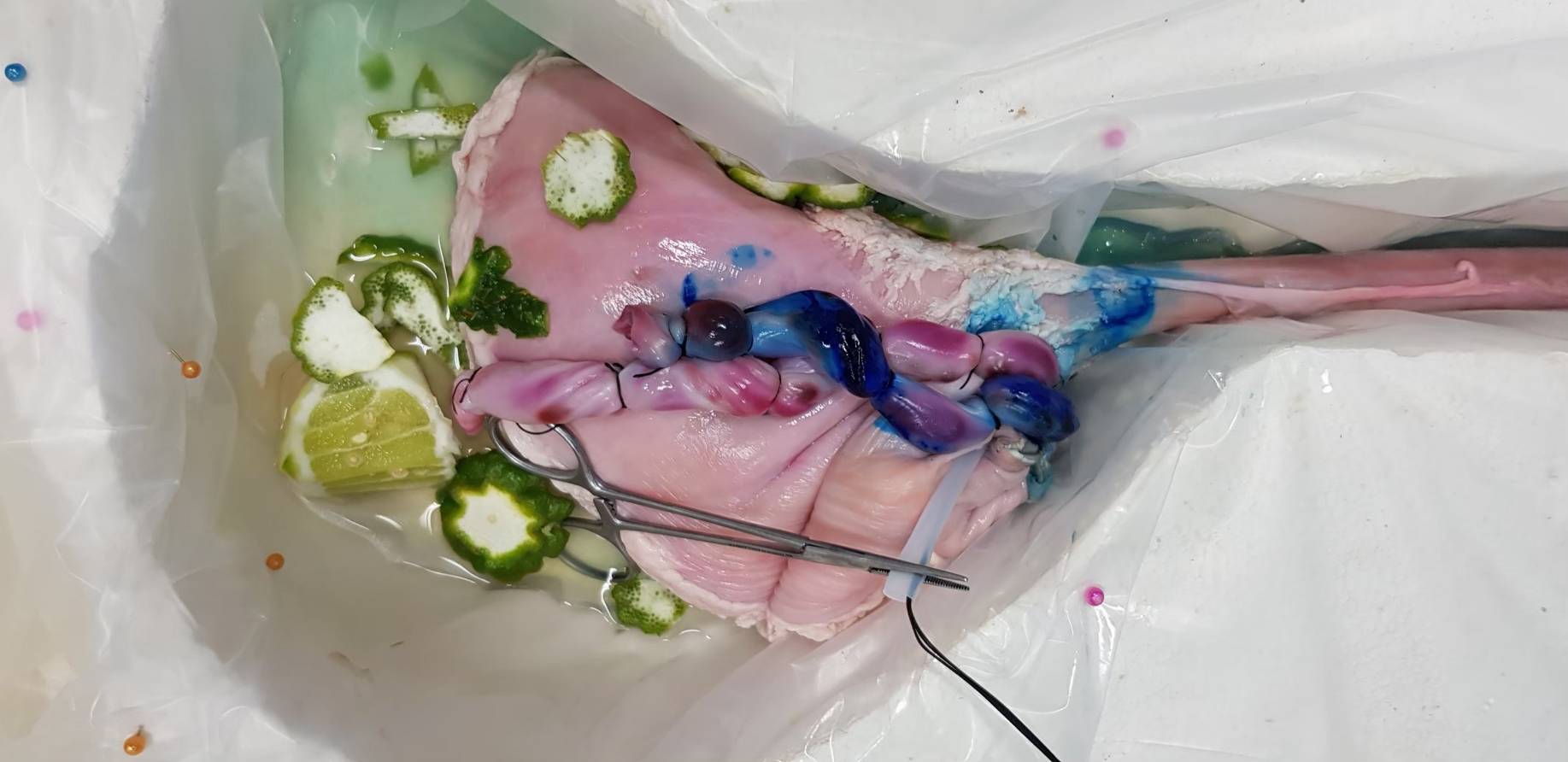
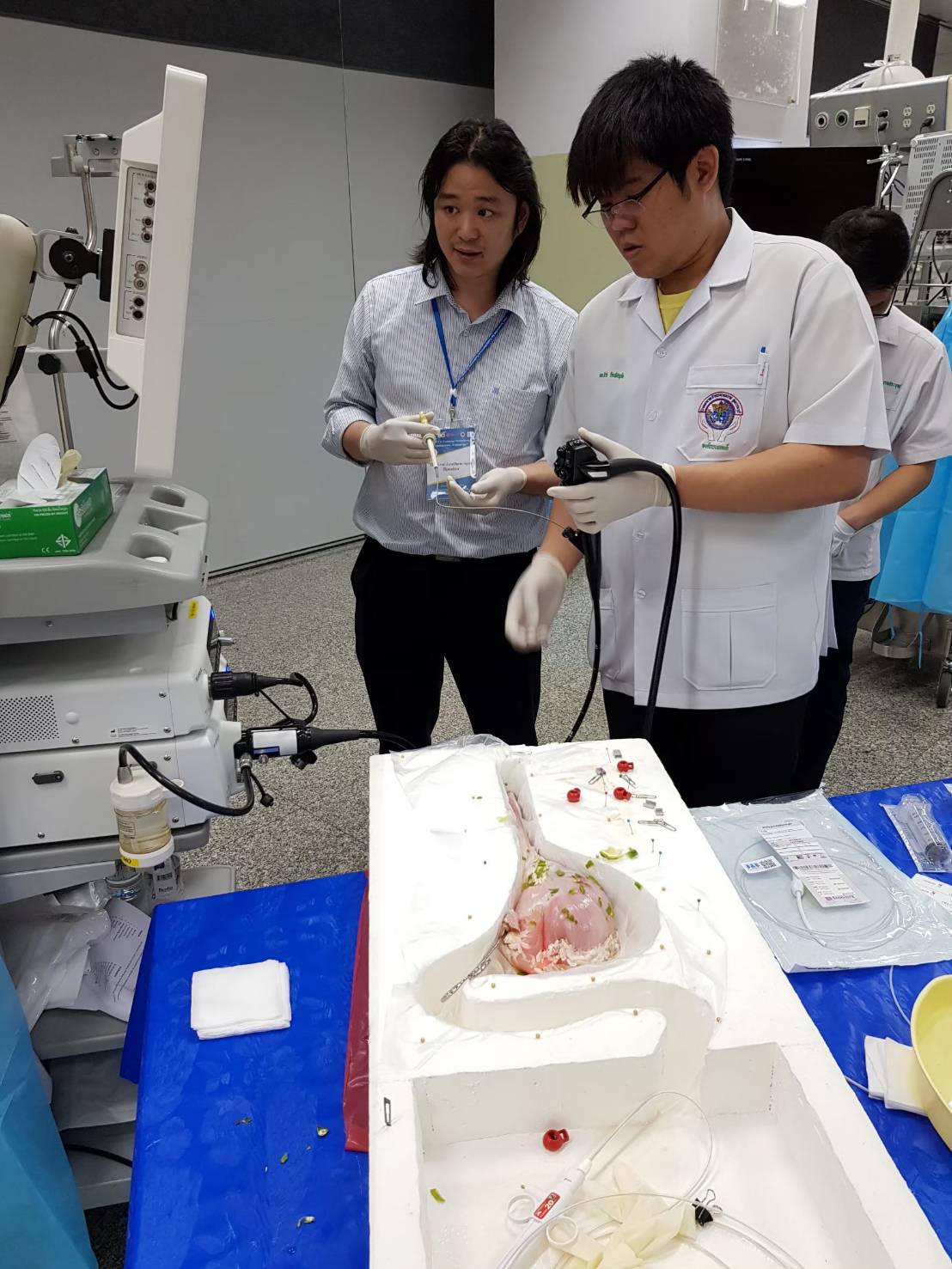
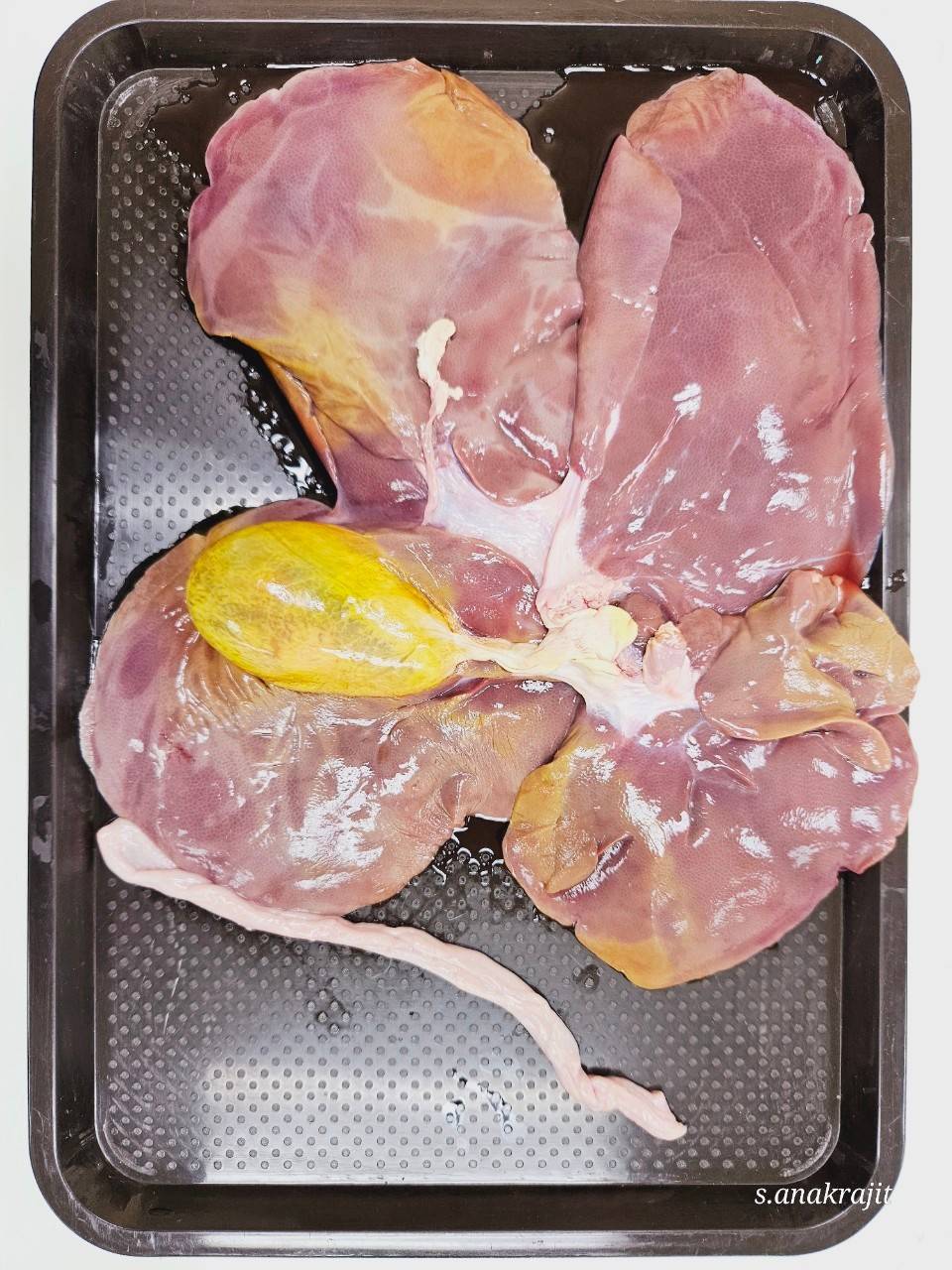
The core therapeutic skill on the platform: under EUS guidance, puncture the target duct, advance the guidewire, create the fistula tract, and deploy a stent — all while keeping the critical structures in view.
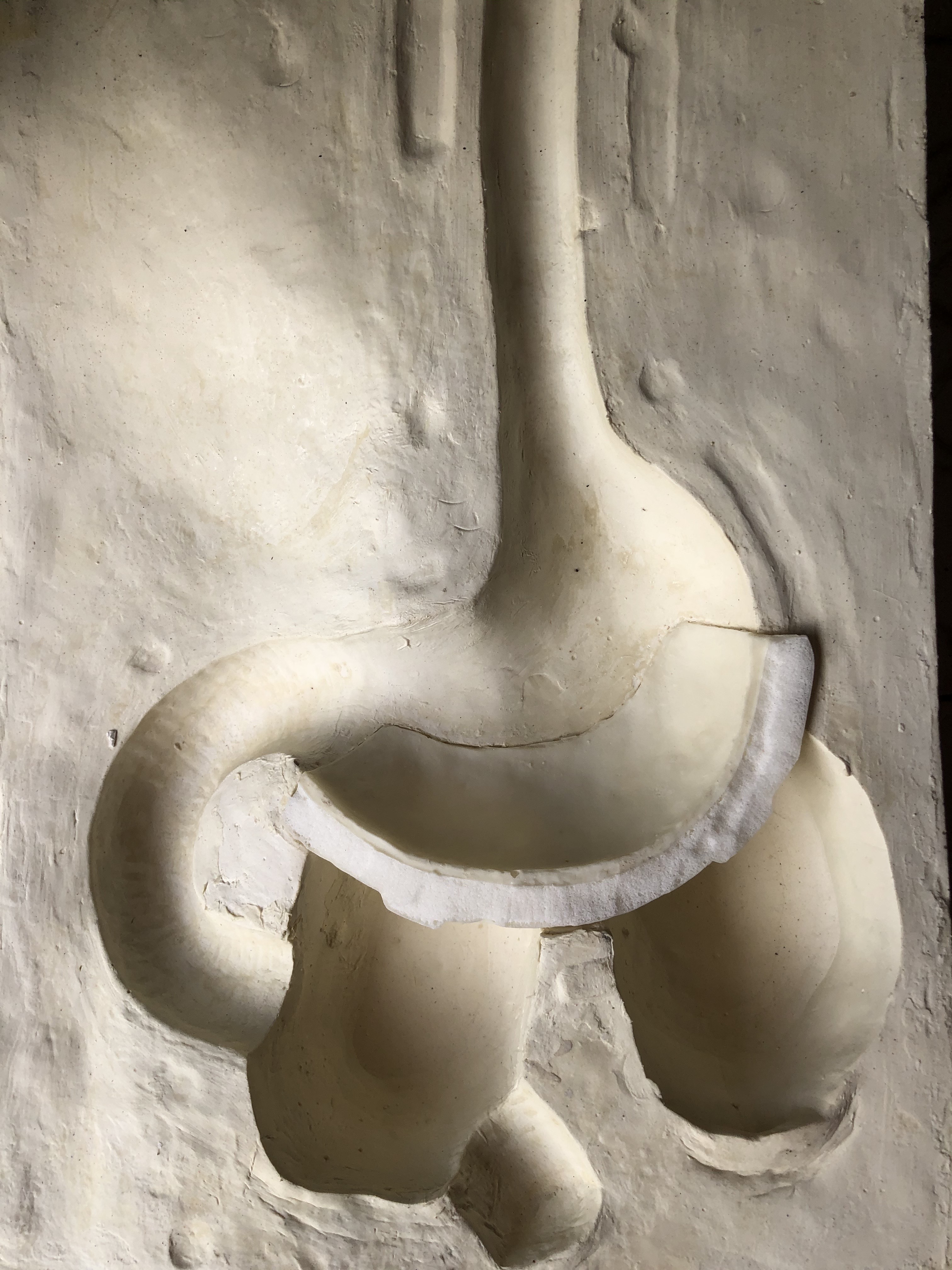
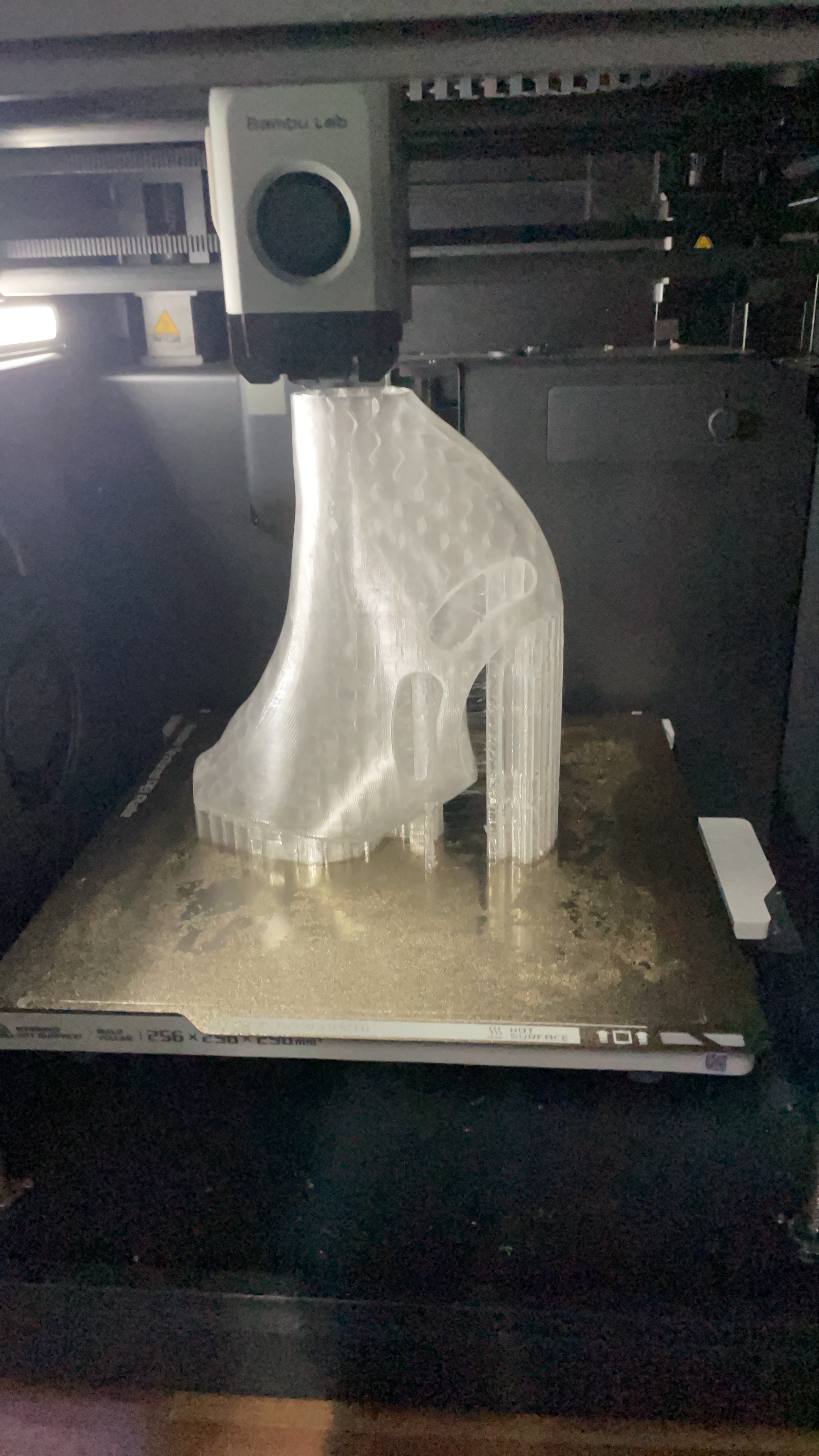
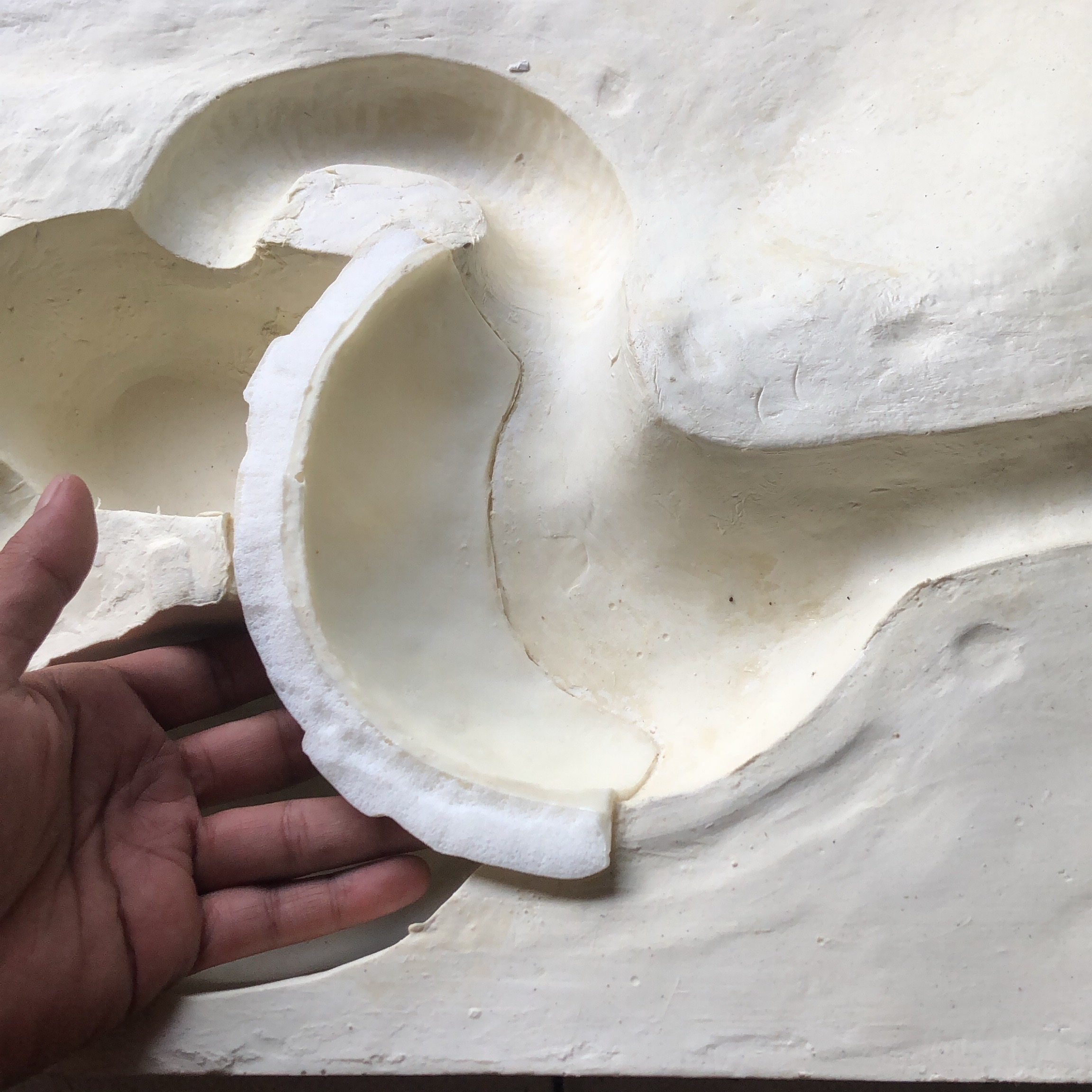
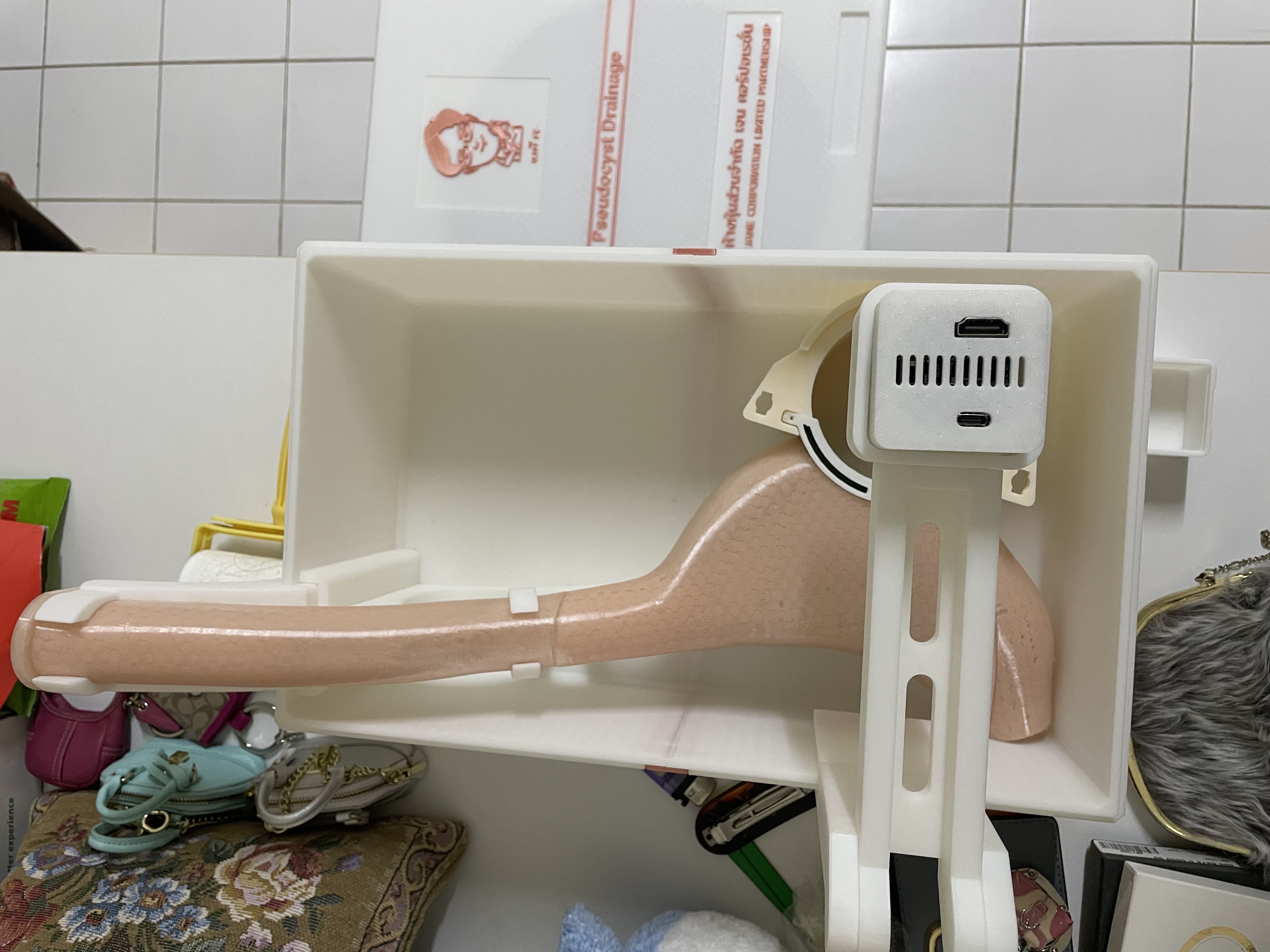
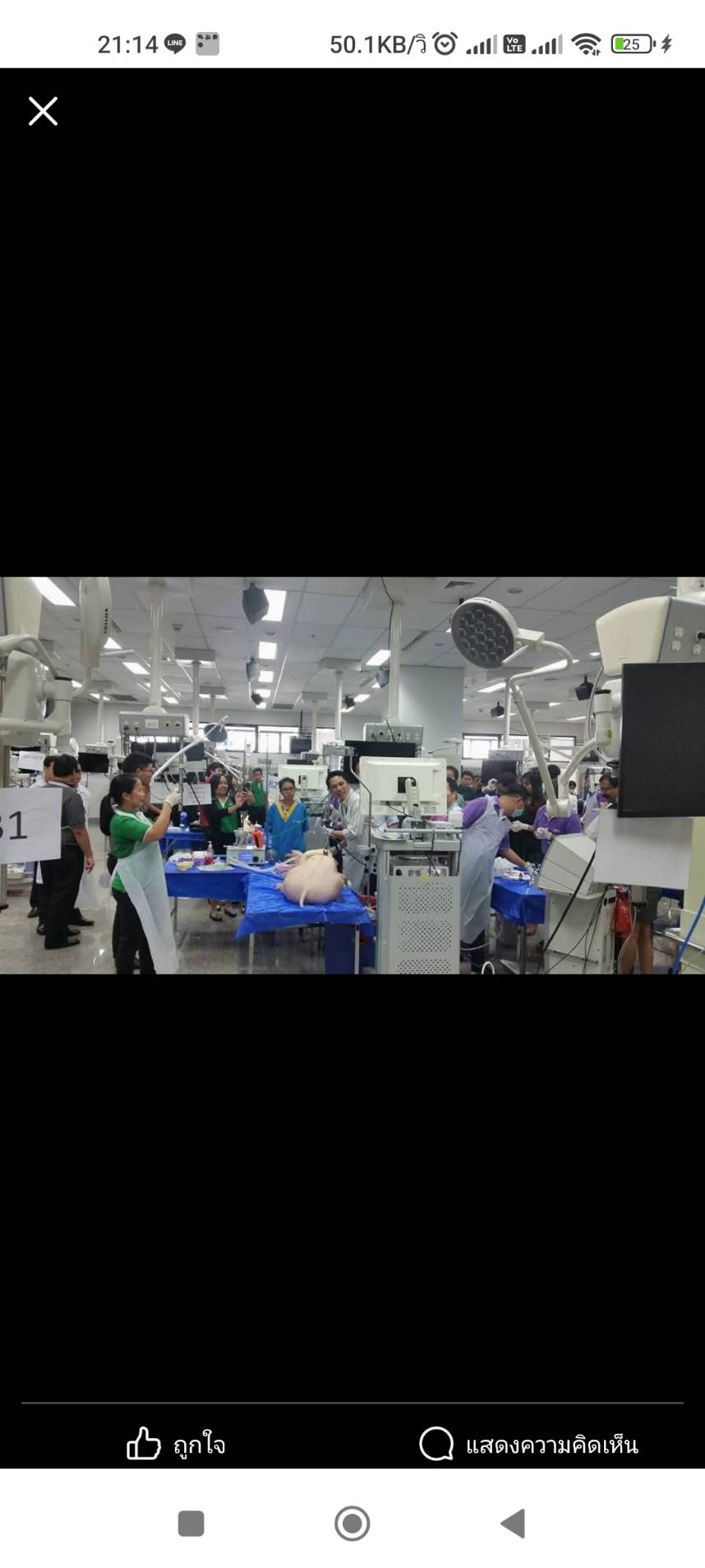
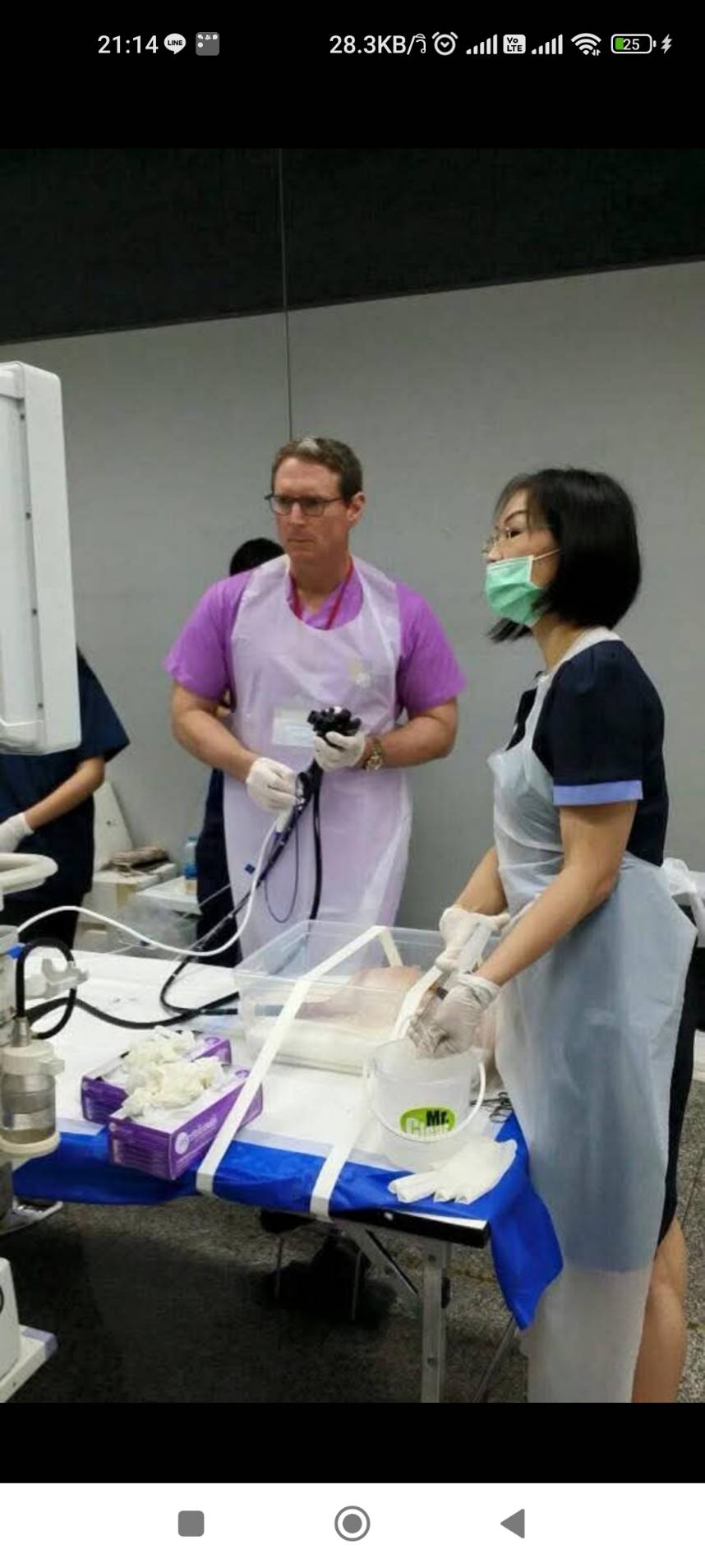
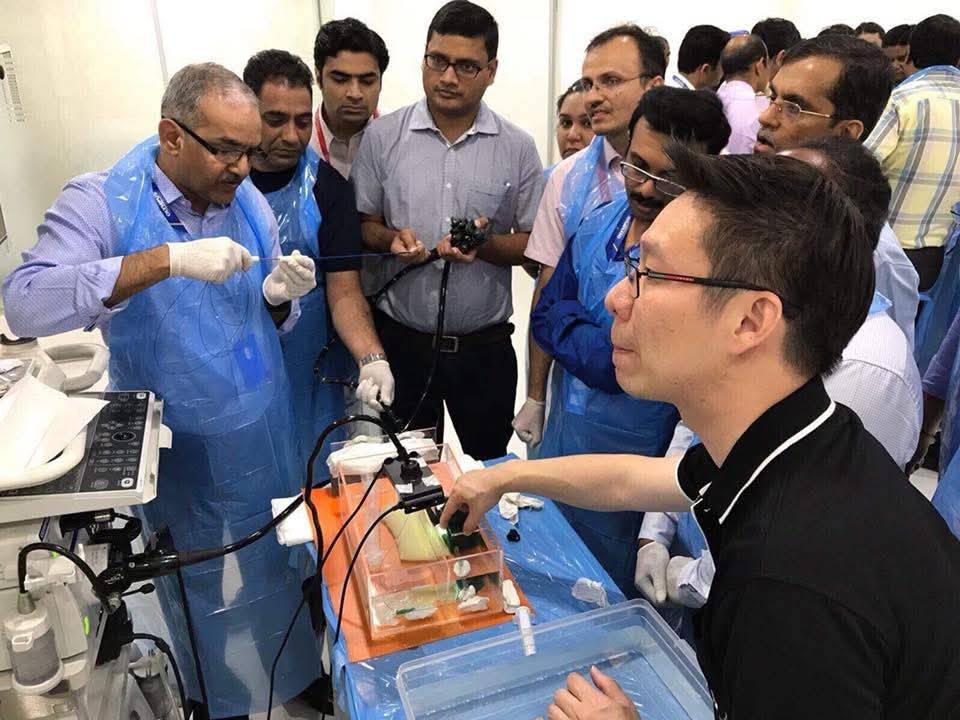
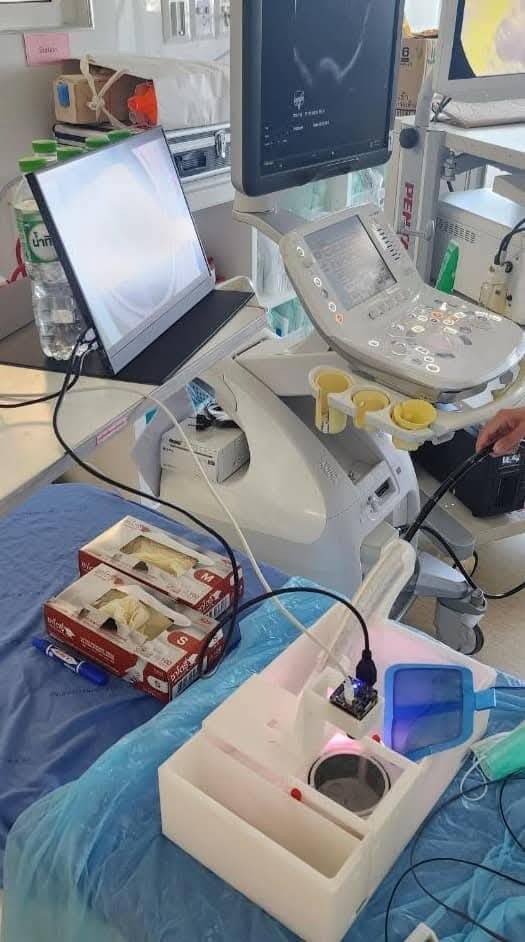
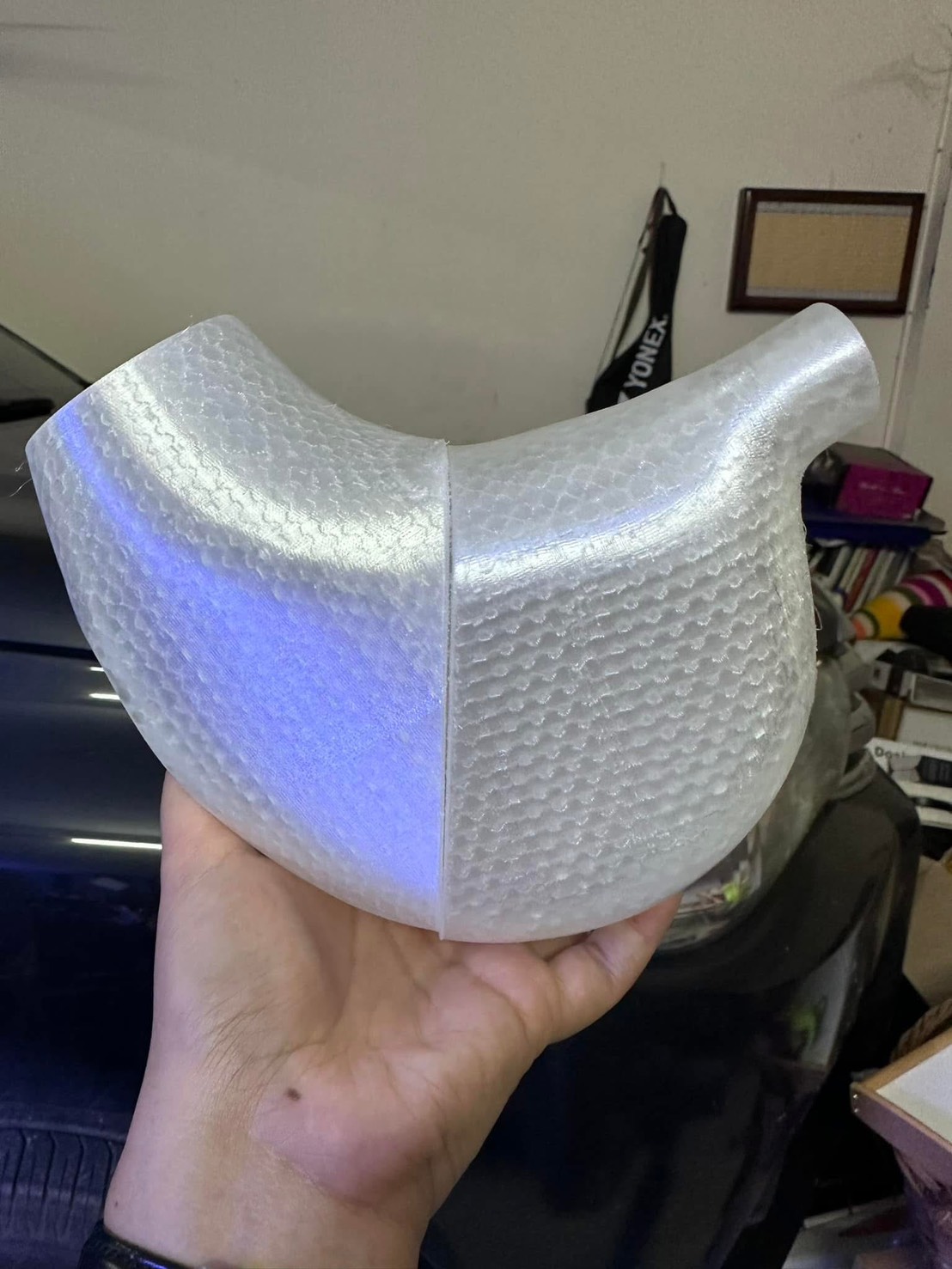
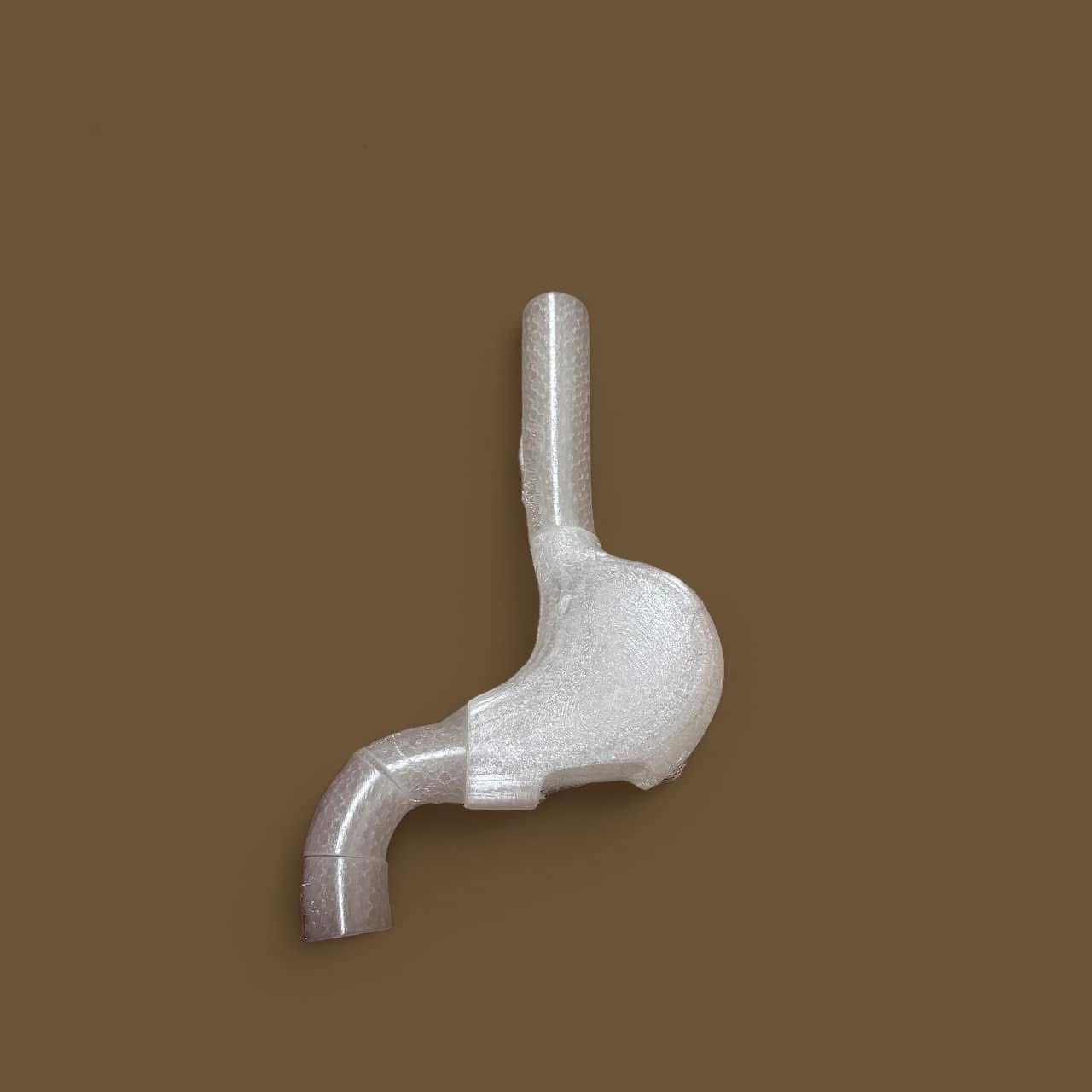
118 photos from the hands-on stations. Tap any image to enlarge.
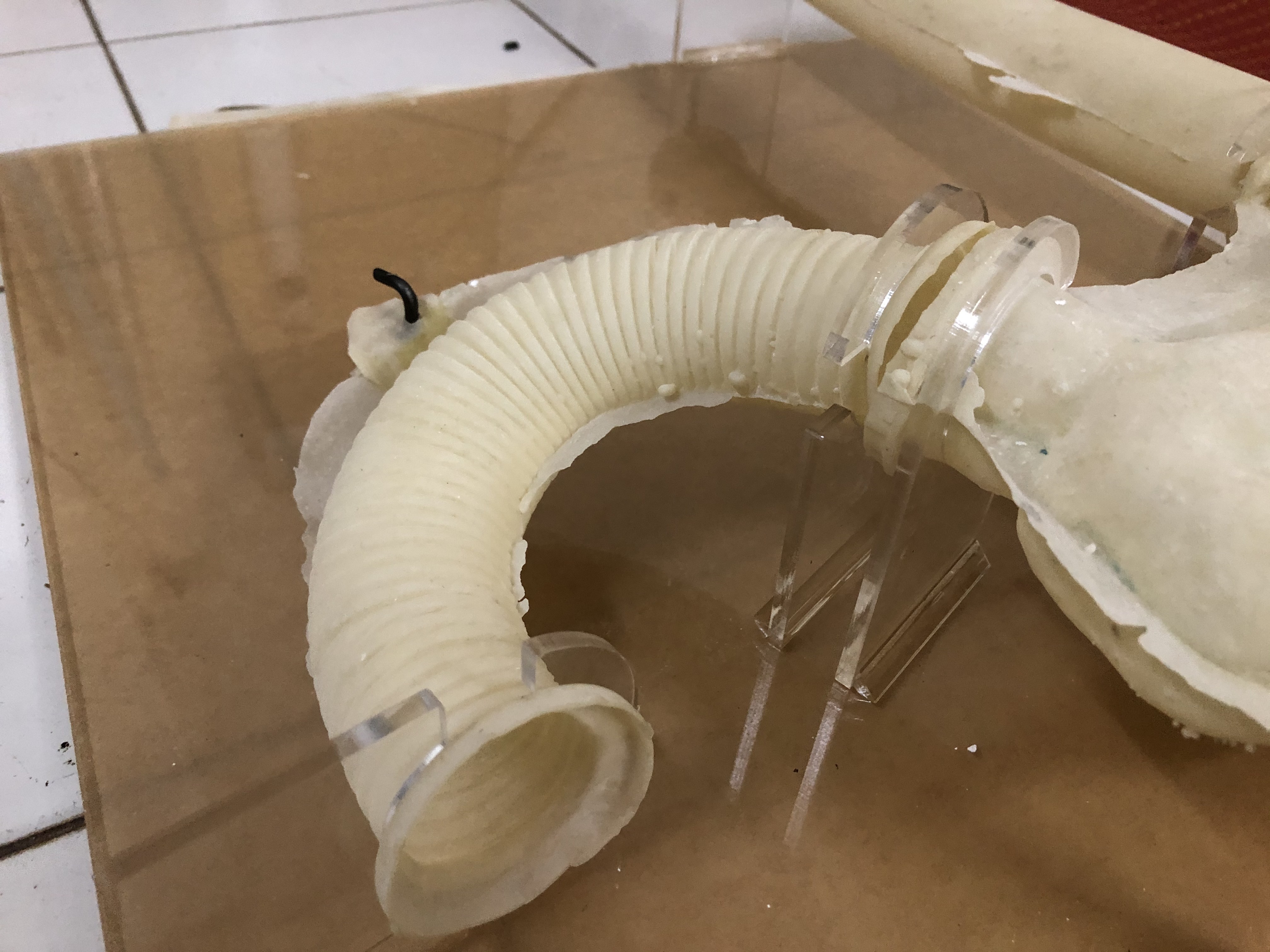 General
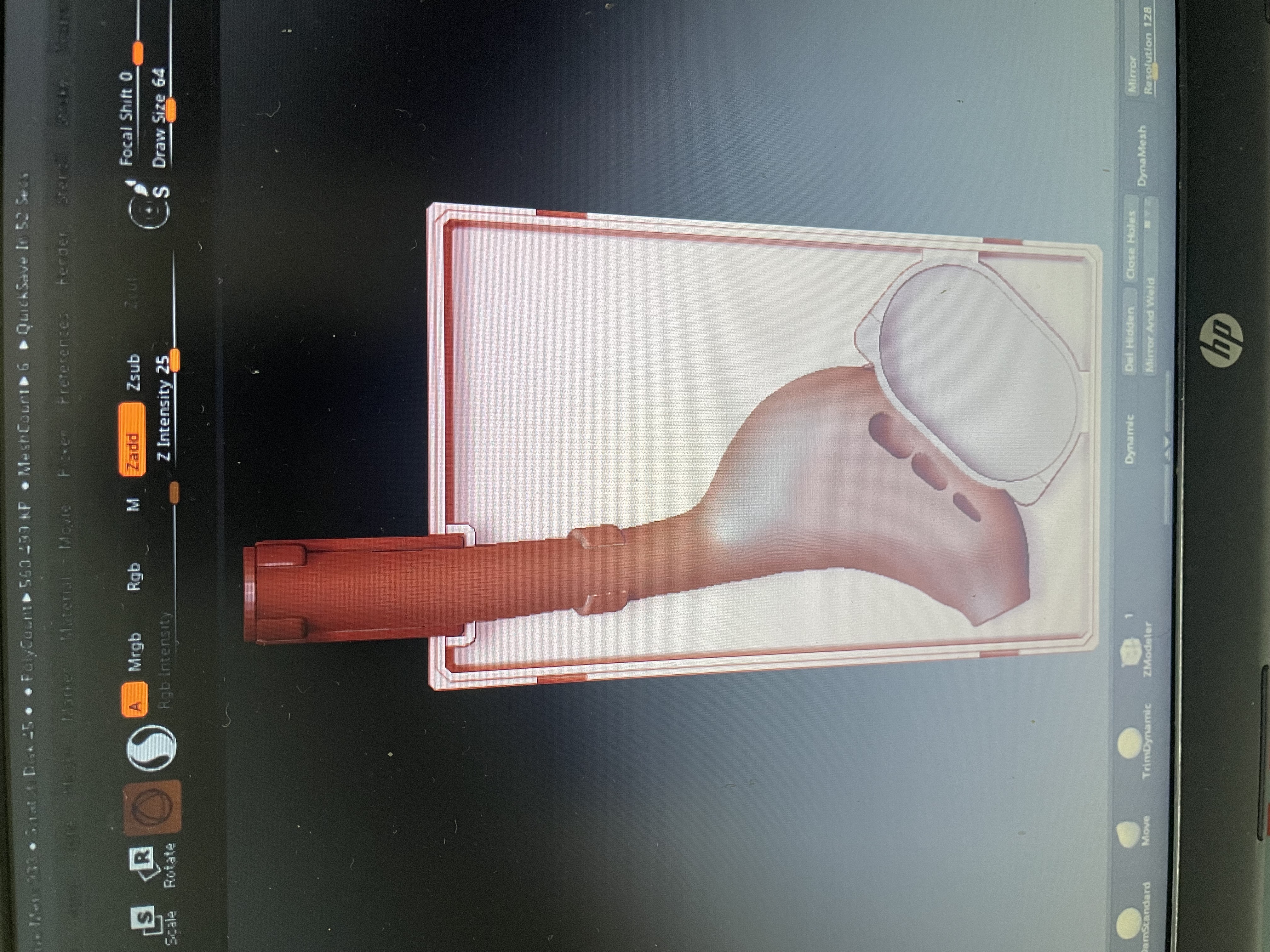 General
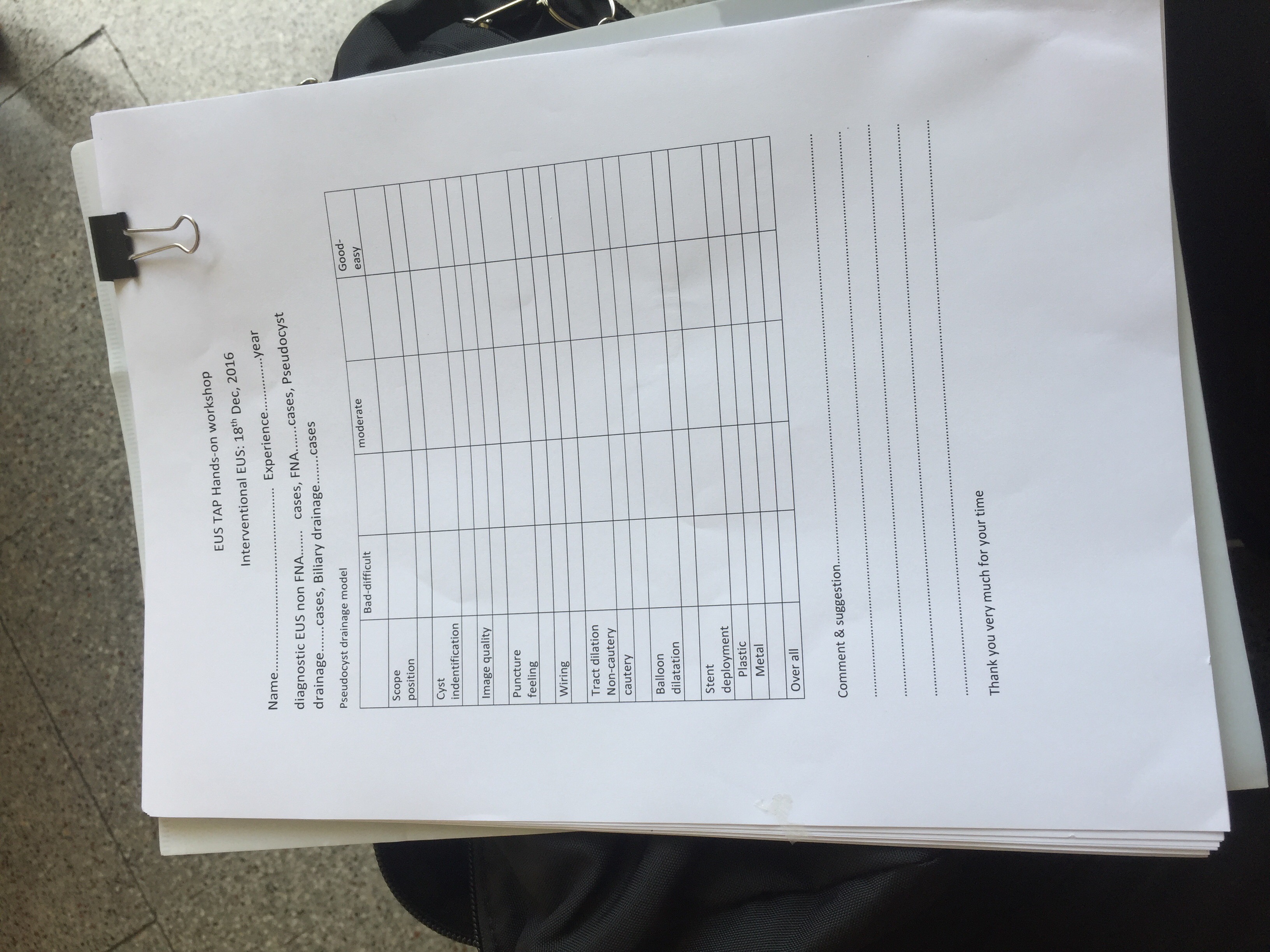 General
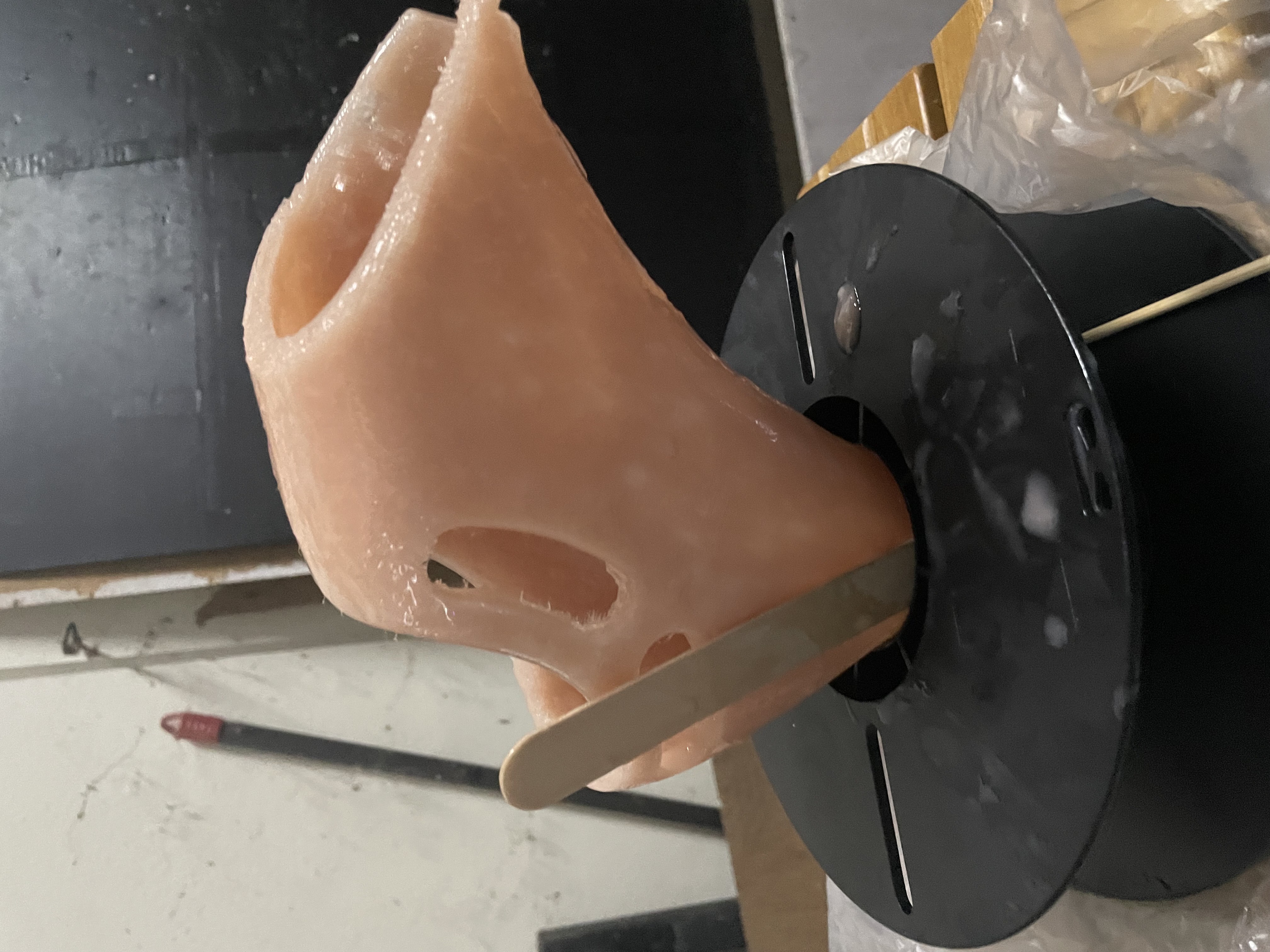 General
 General
 General
 General
 General
 General
 General
 General
 General
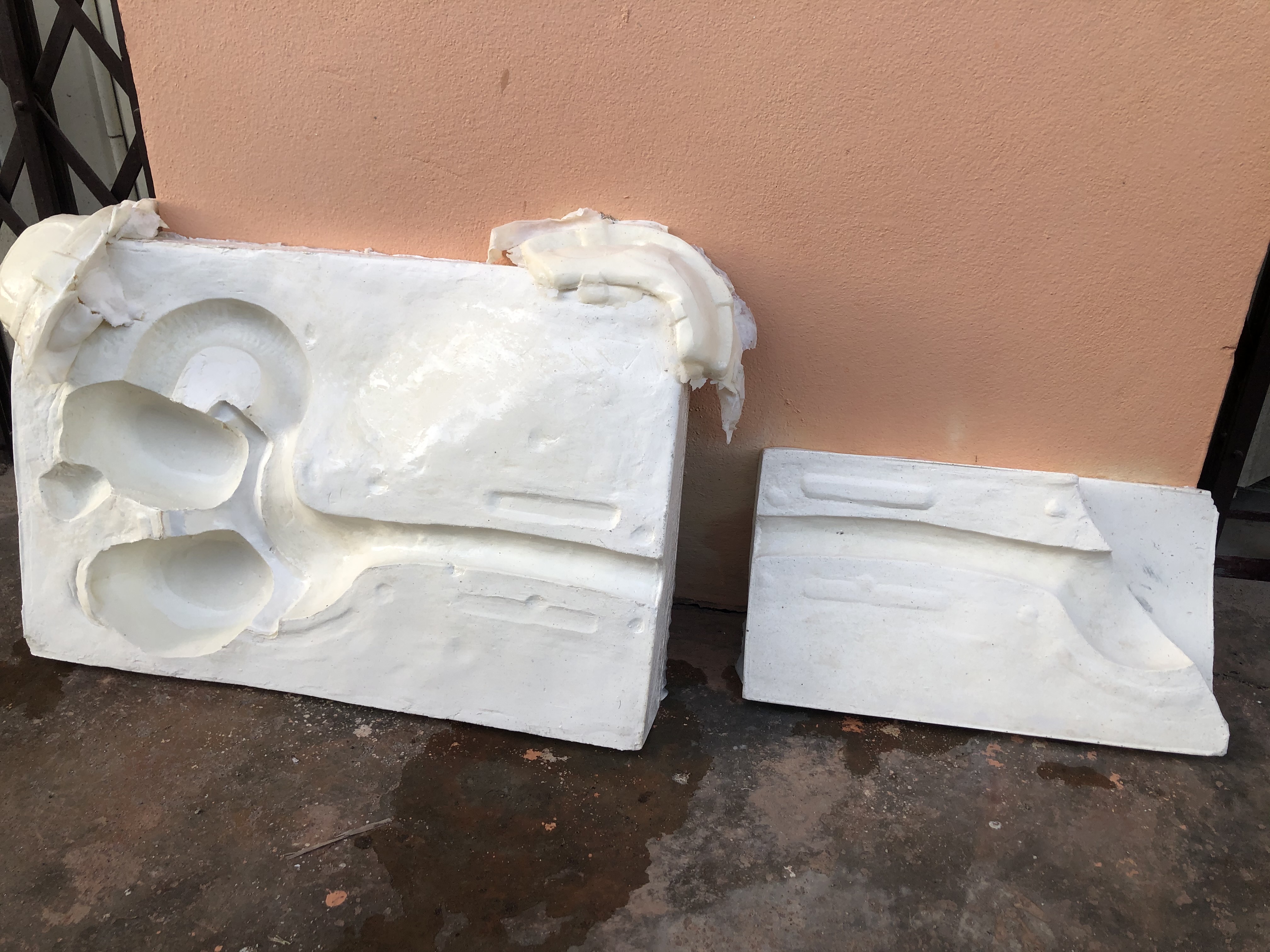 General
 General
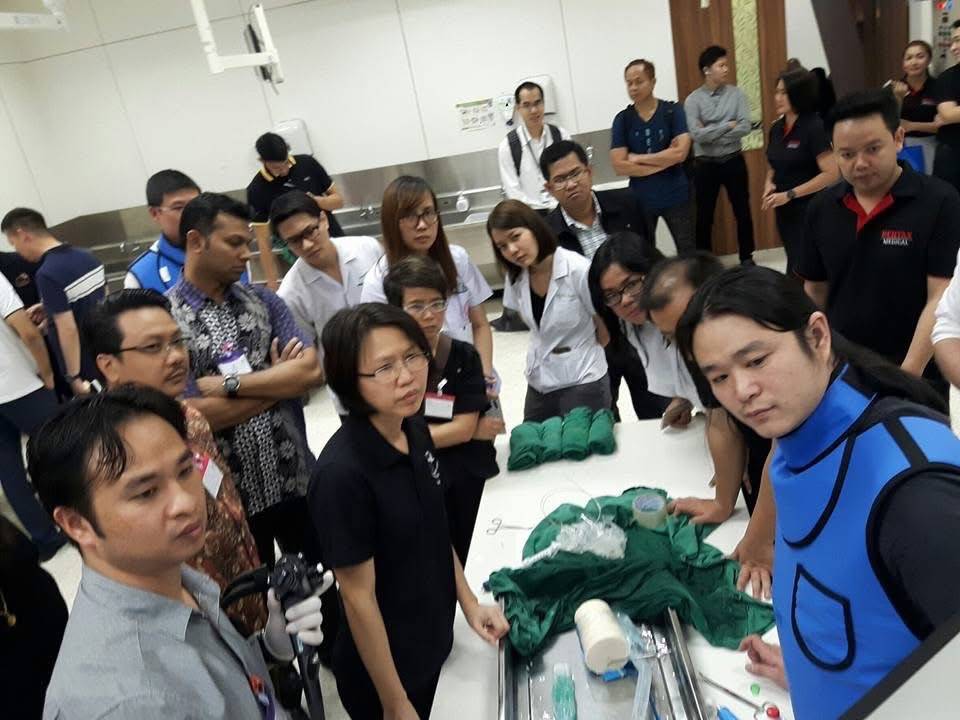 General
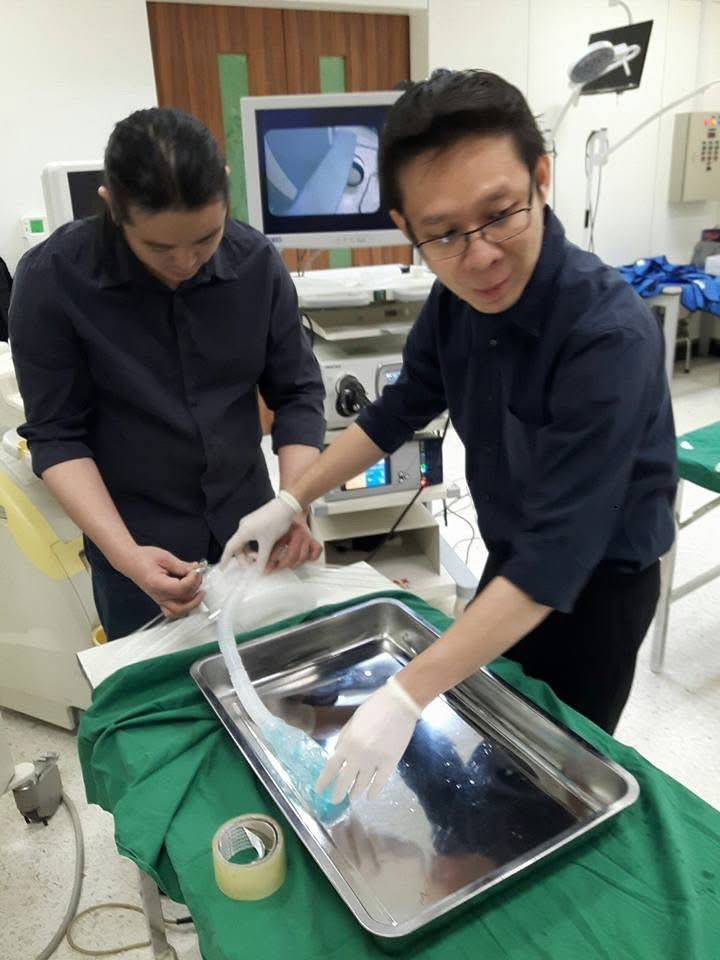 General
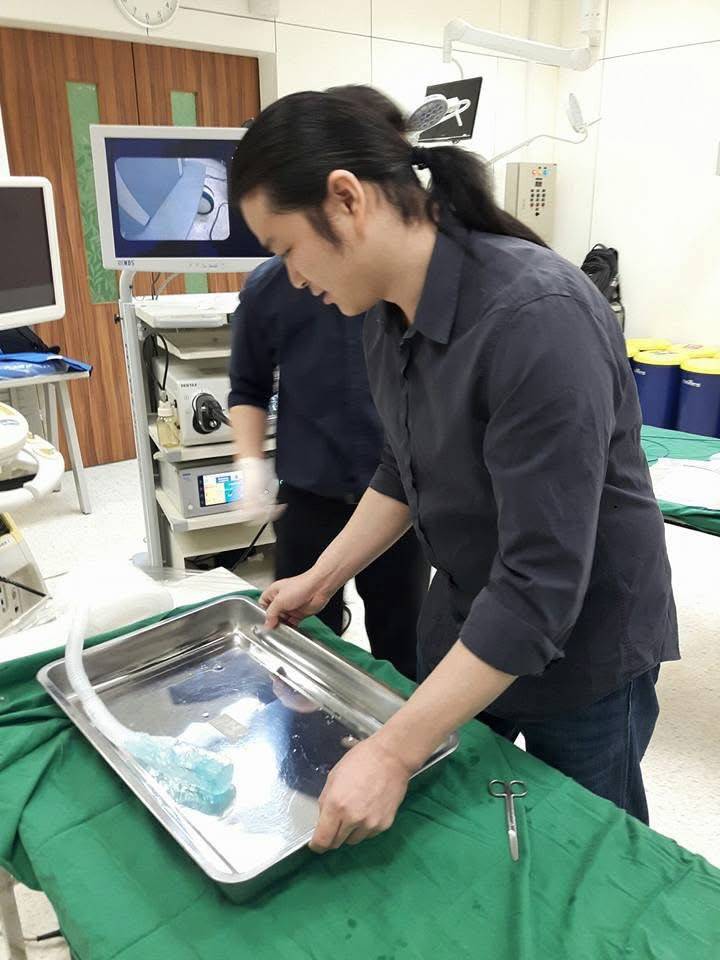 General
 General
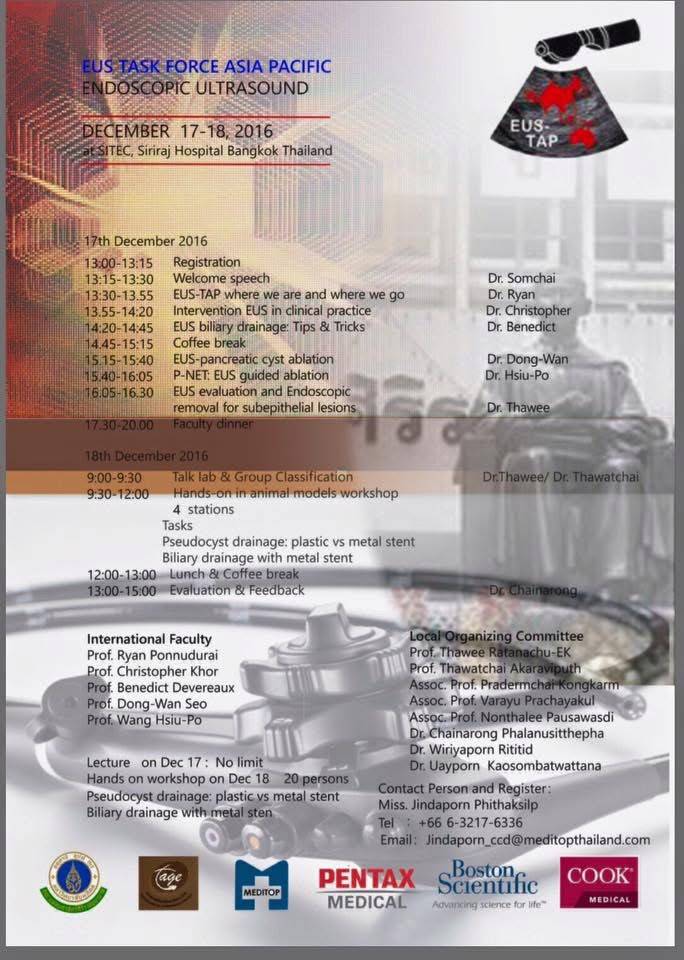 General
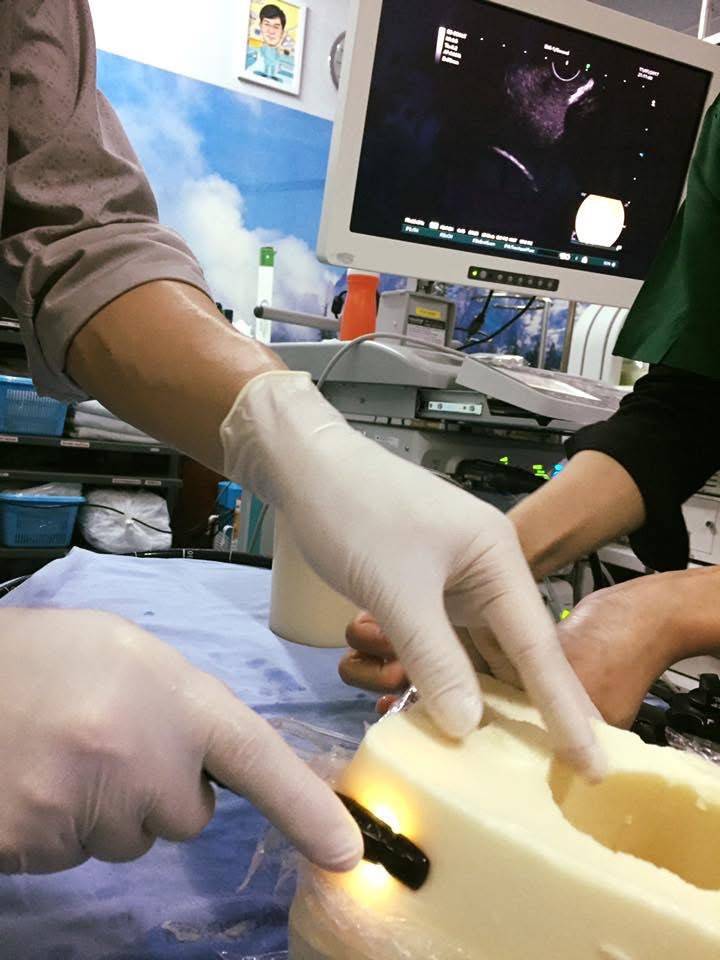 General
 General
 General
 General
 General
 General
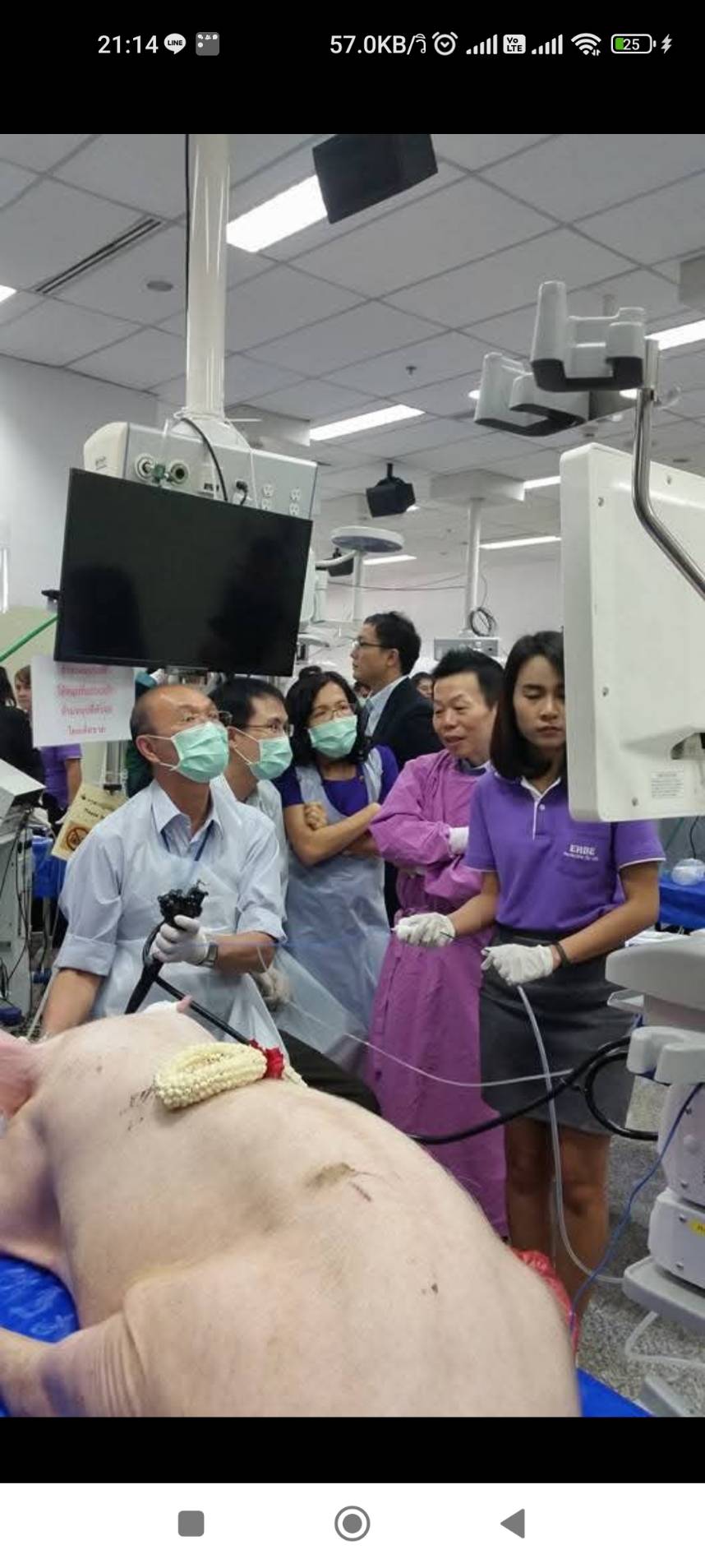 General
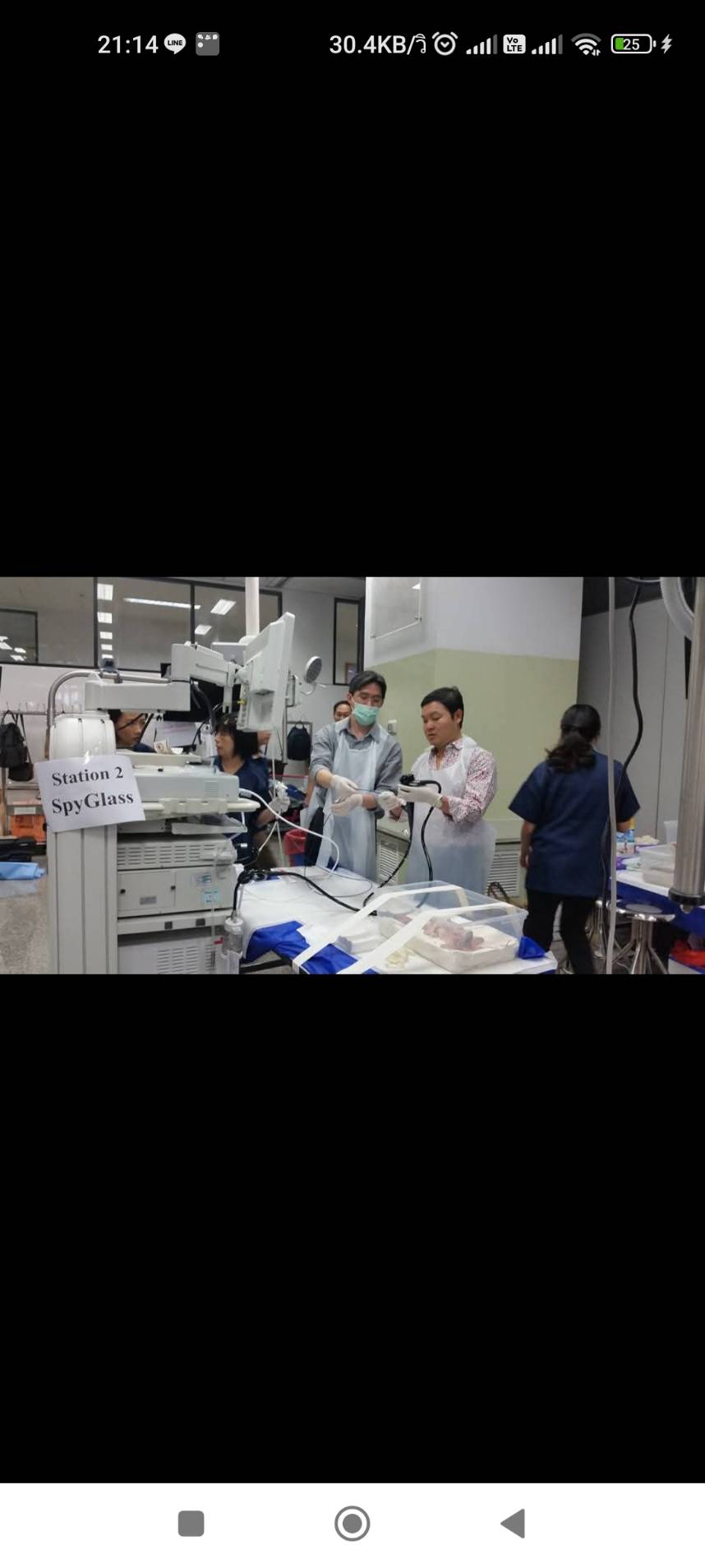 General
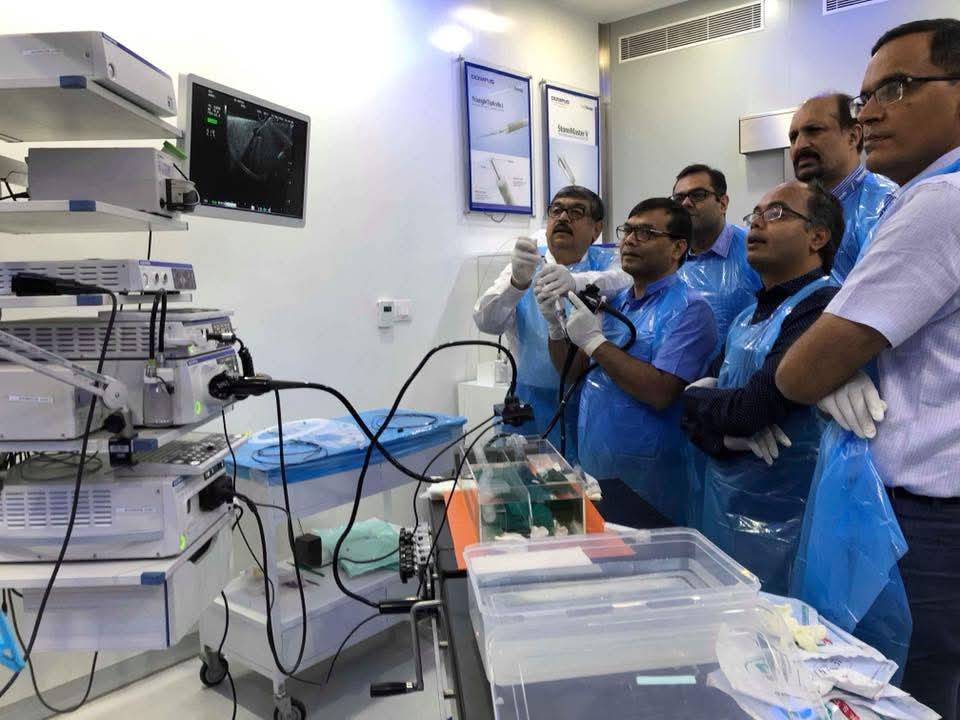 General
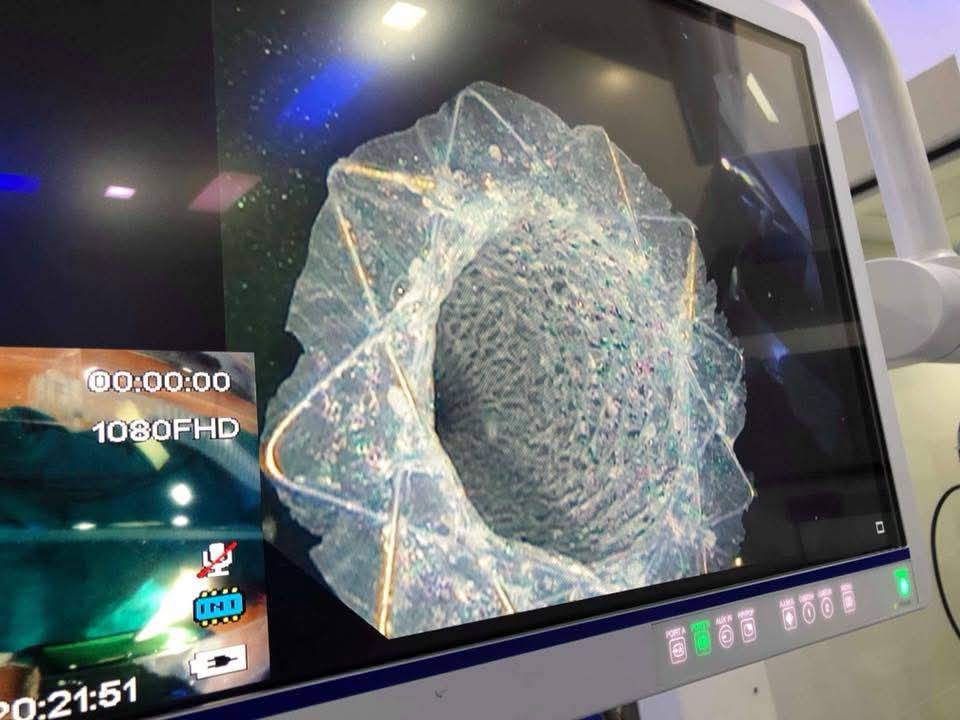 General
 General
 General
 General
 General
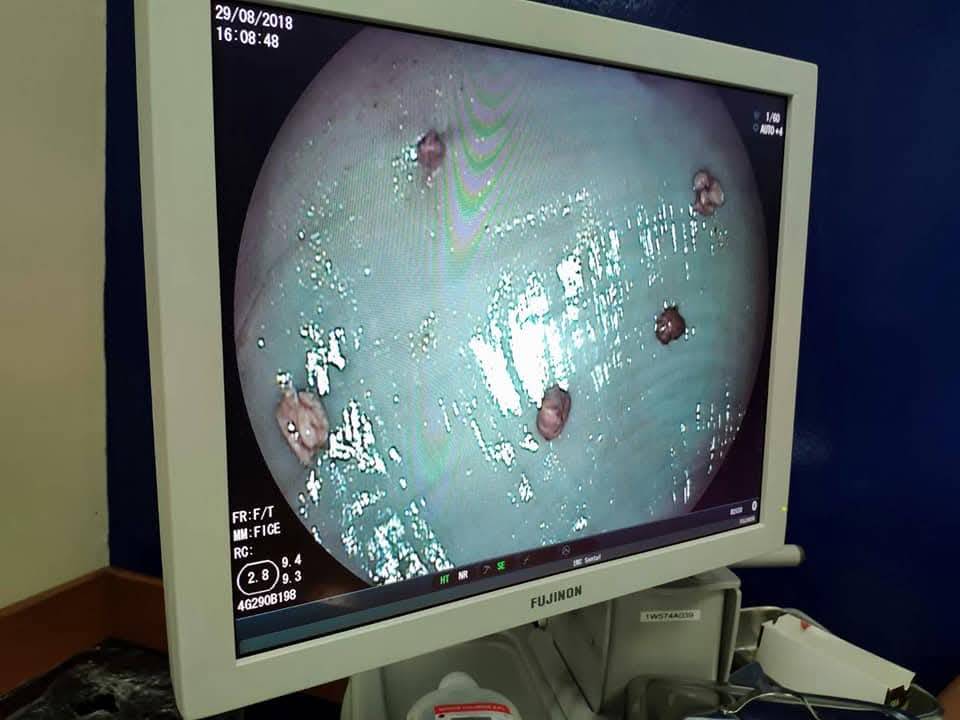 General
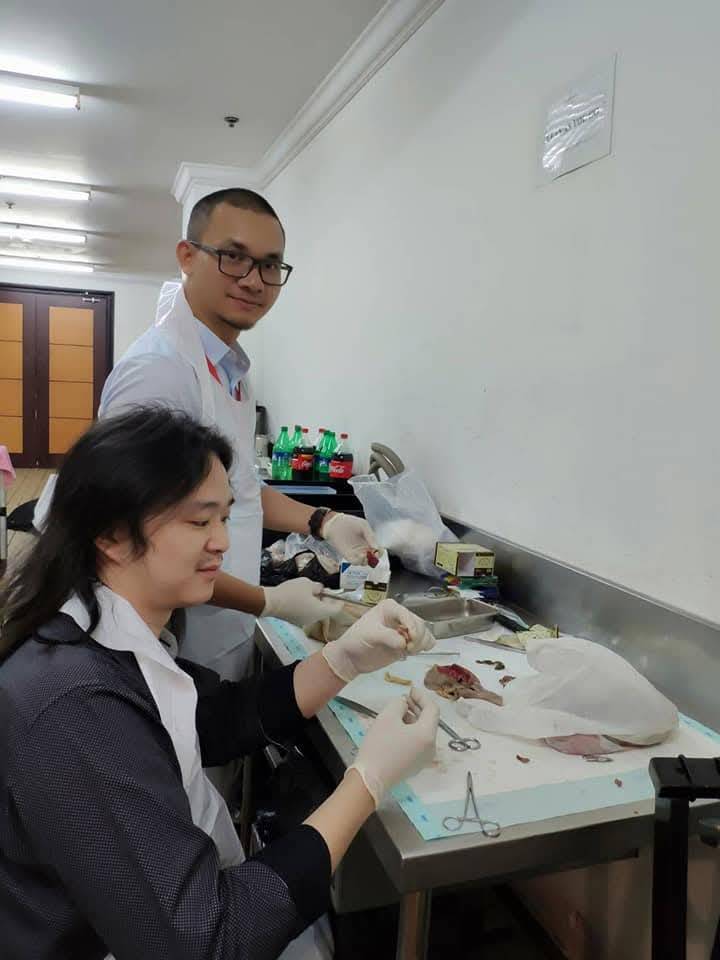 General
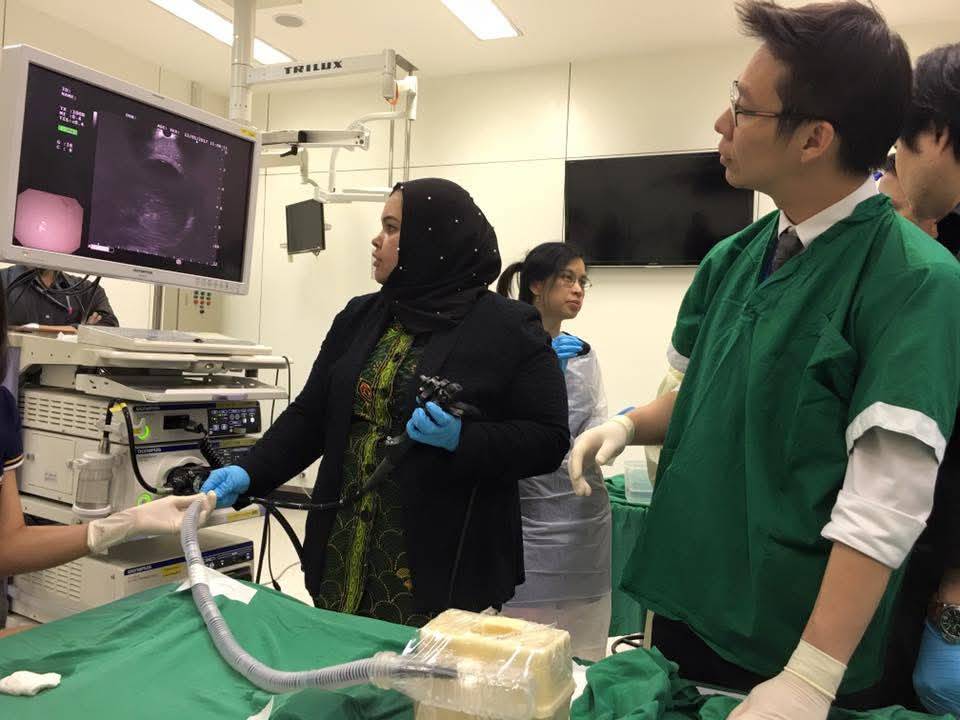 General
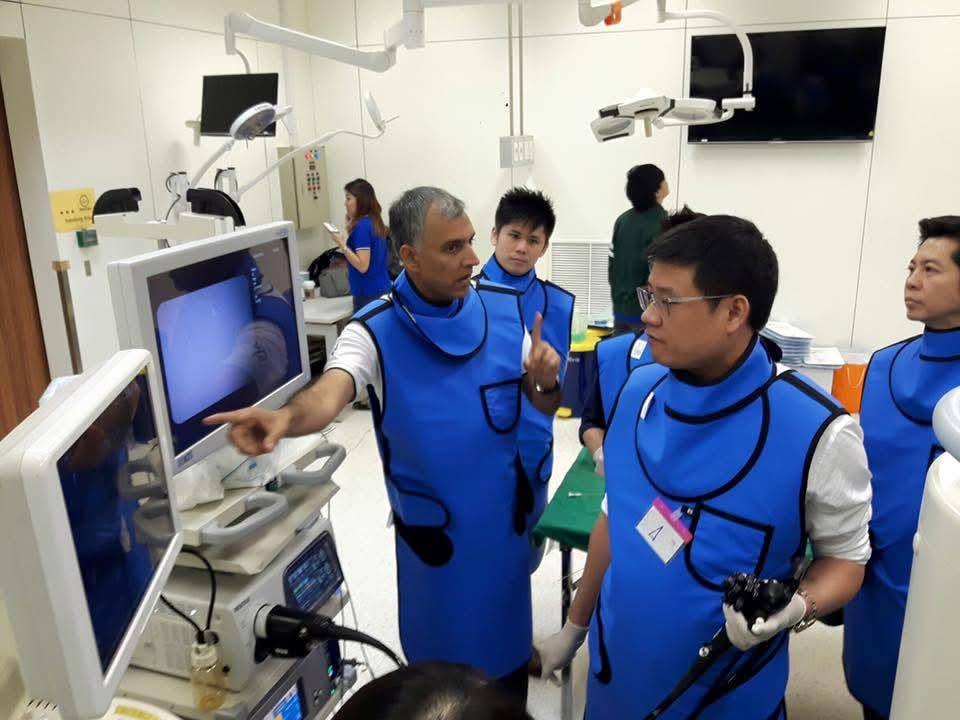 General
 General
 General
 General
 General
 General
 General
 General
 General
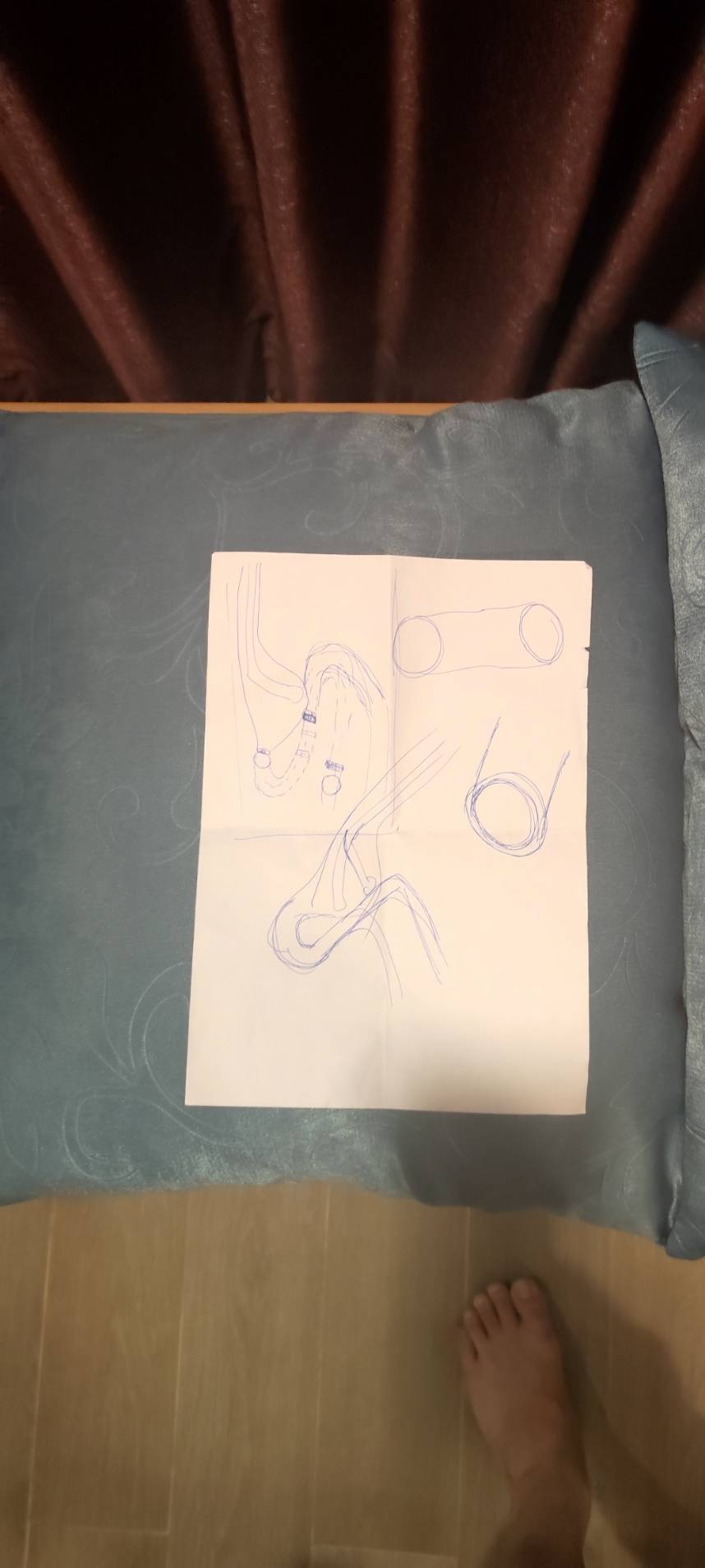 General
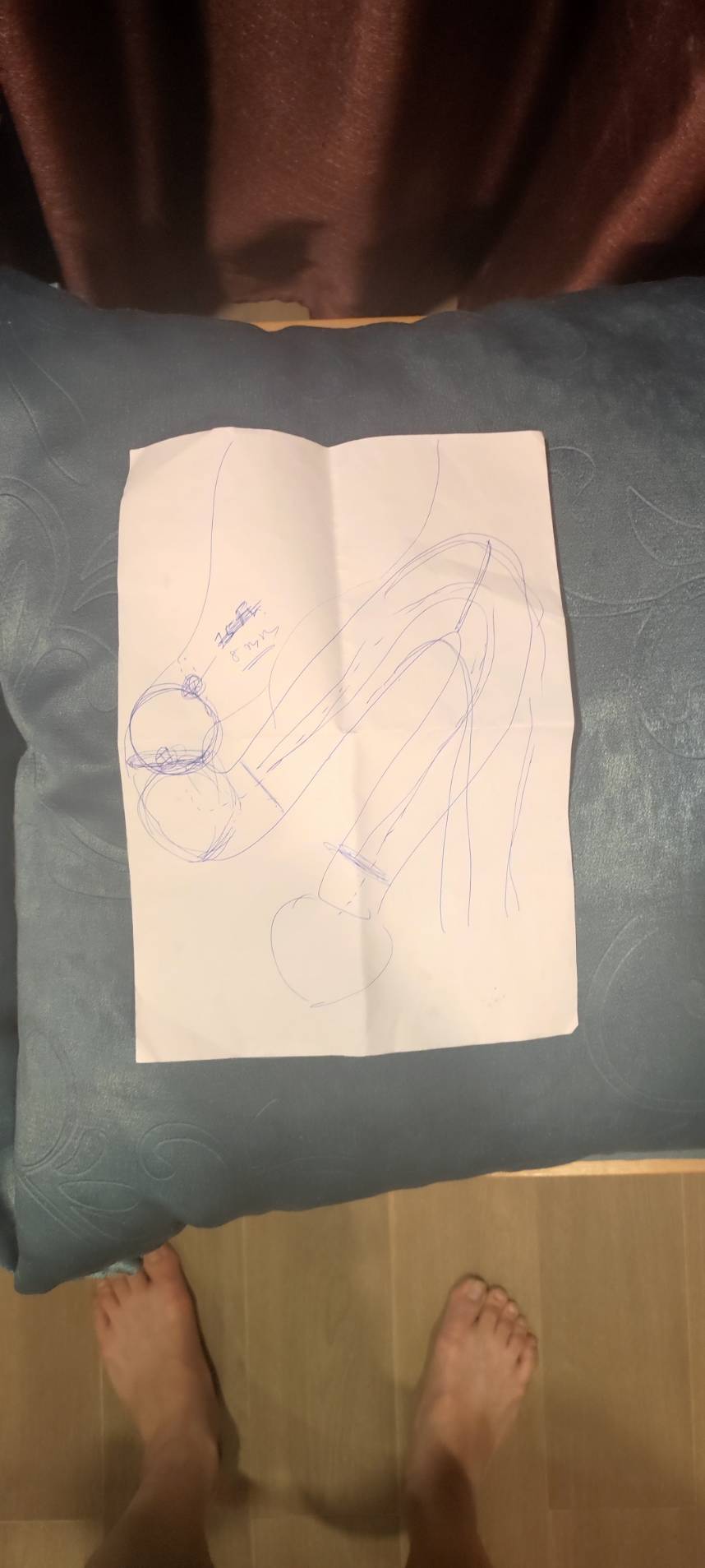 General
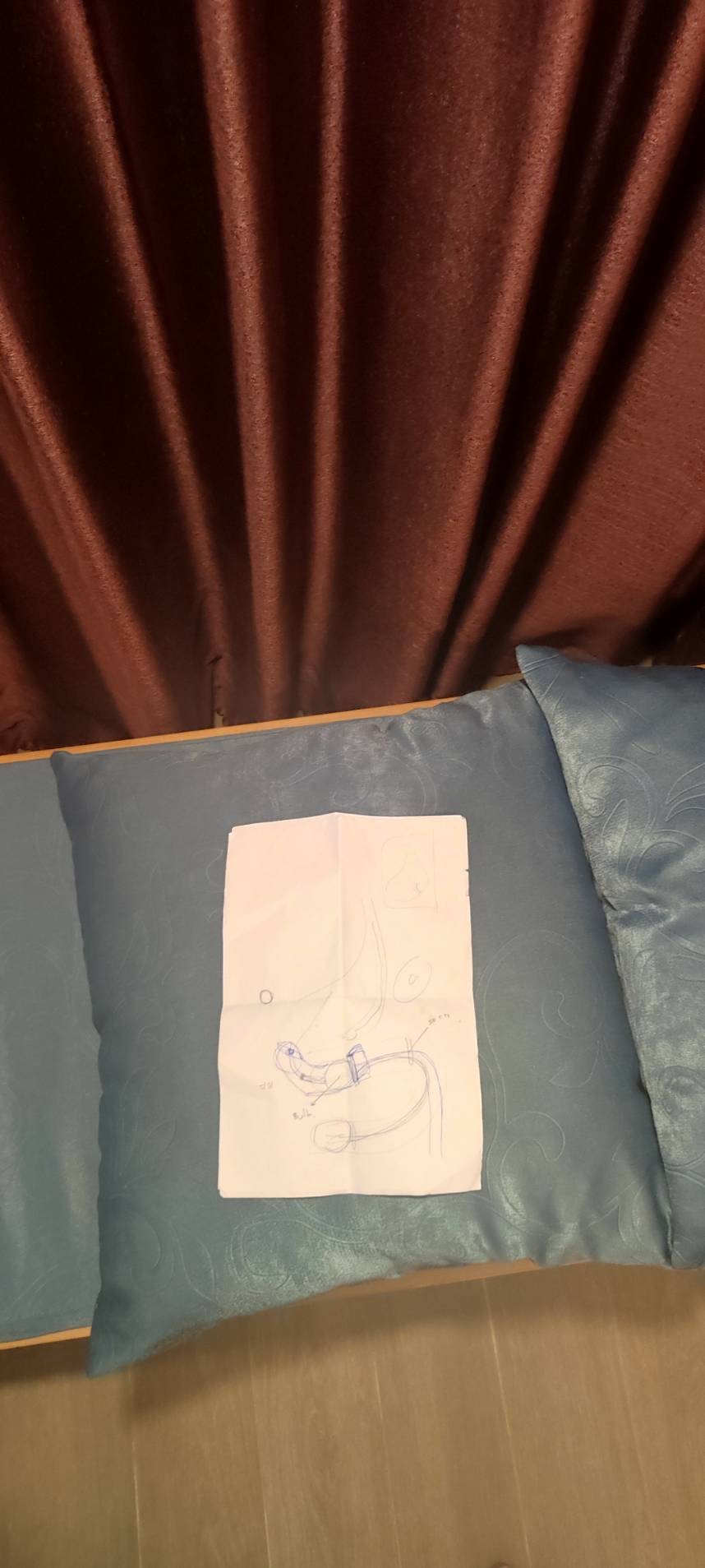 General
 General
 General
 General
 General
 General
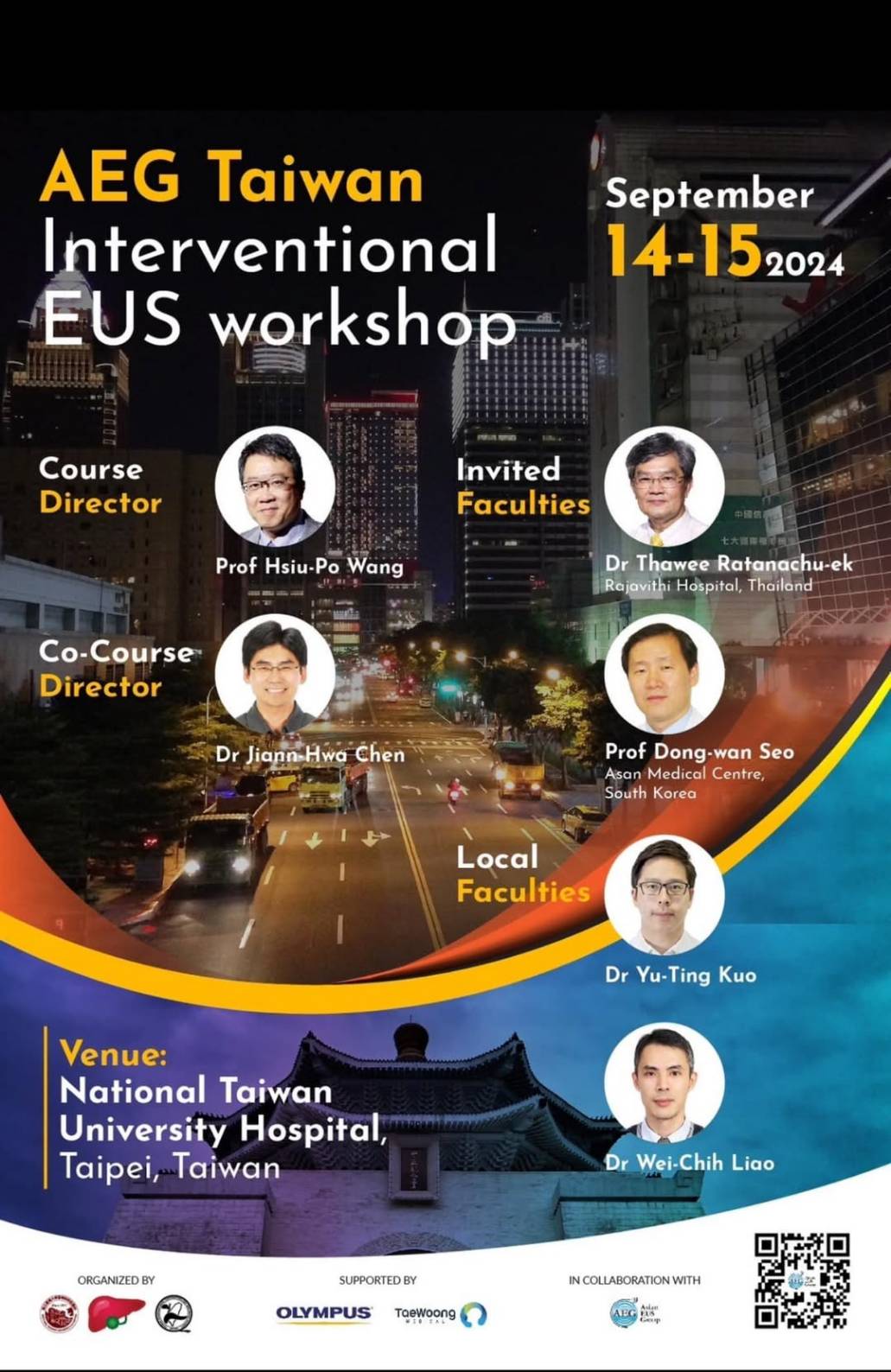 General
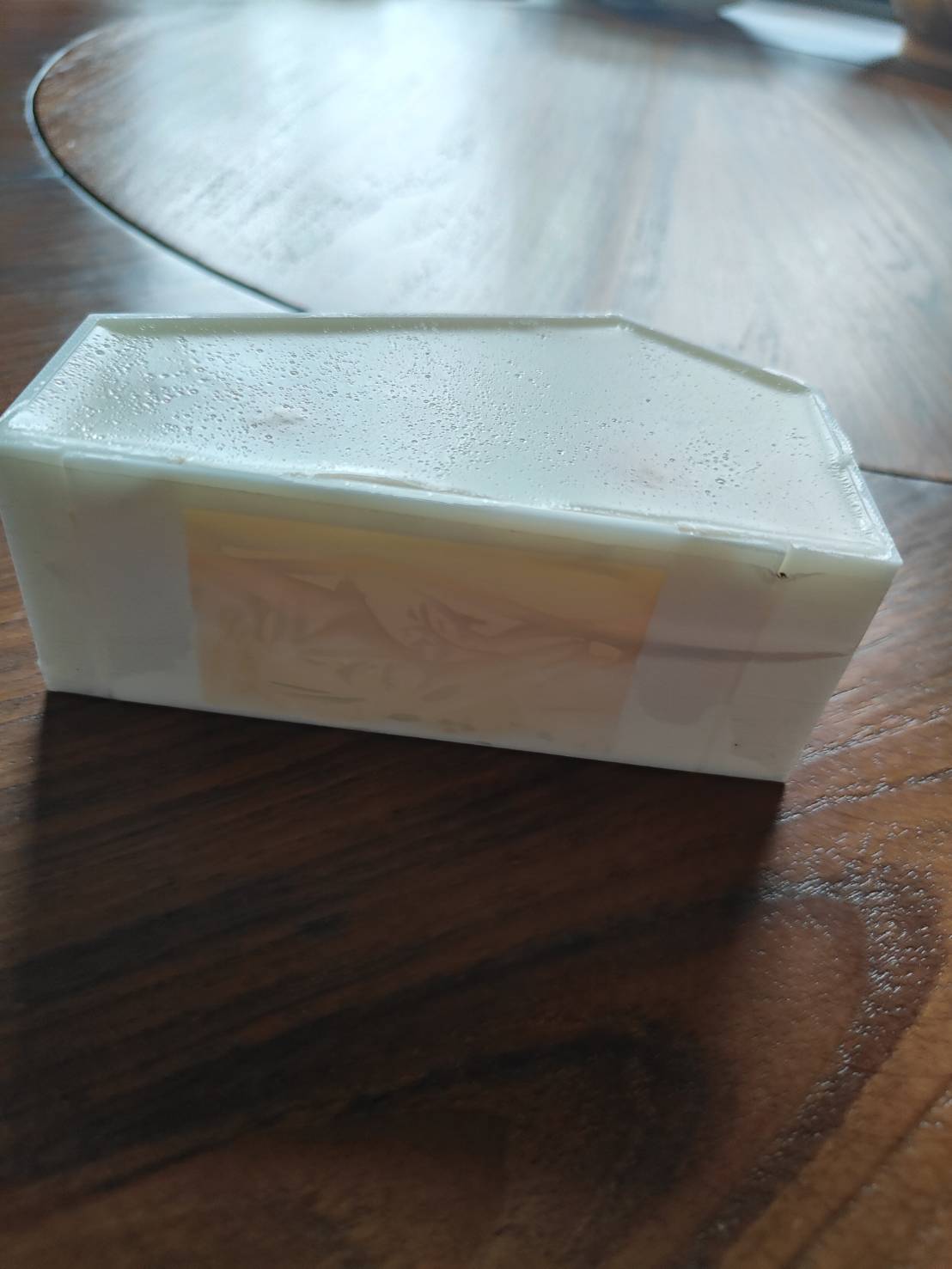 General
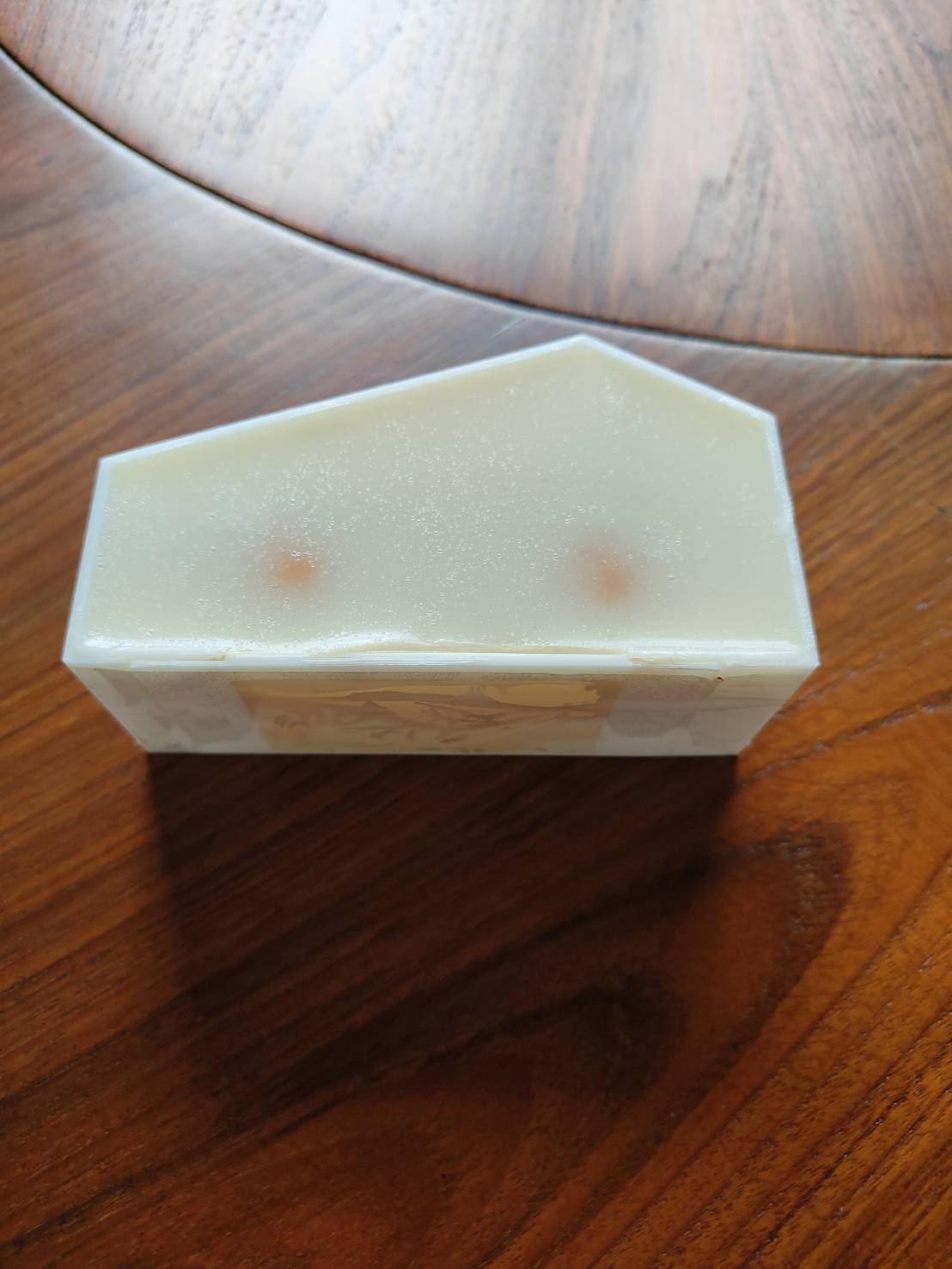 General
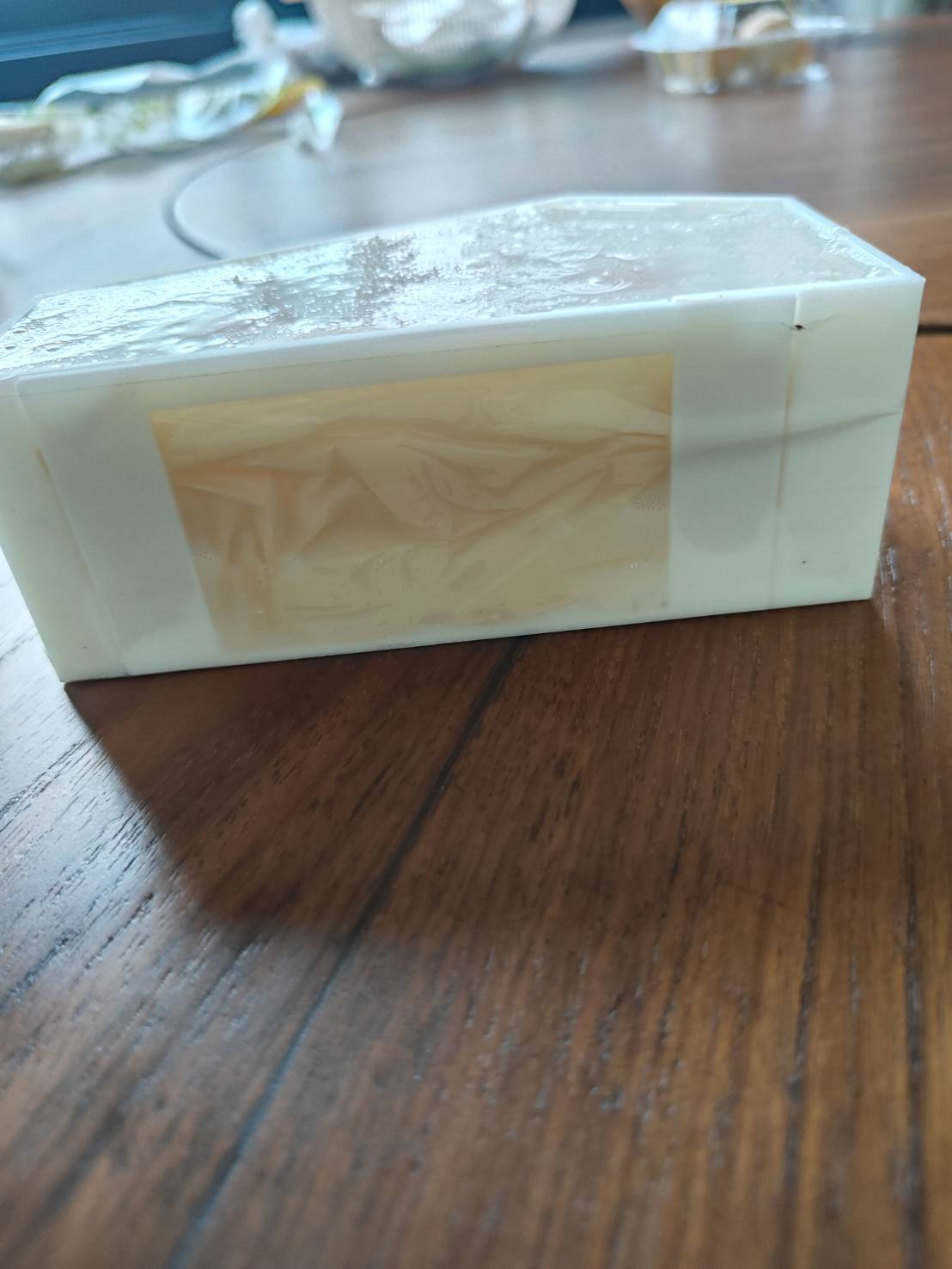 General
 General
 General
 General
 General
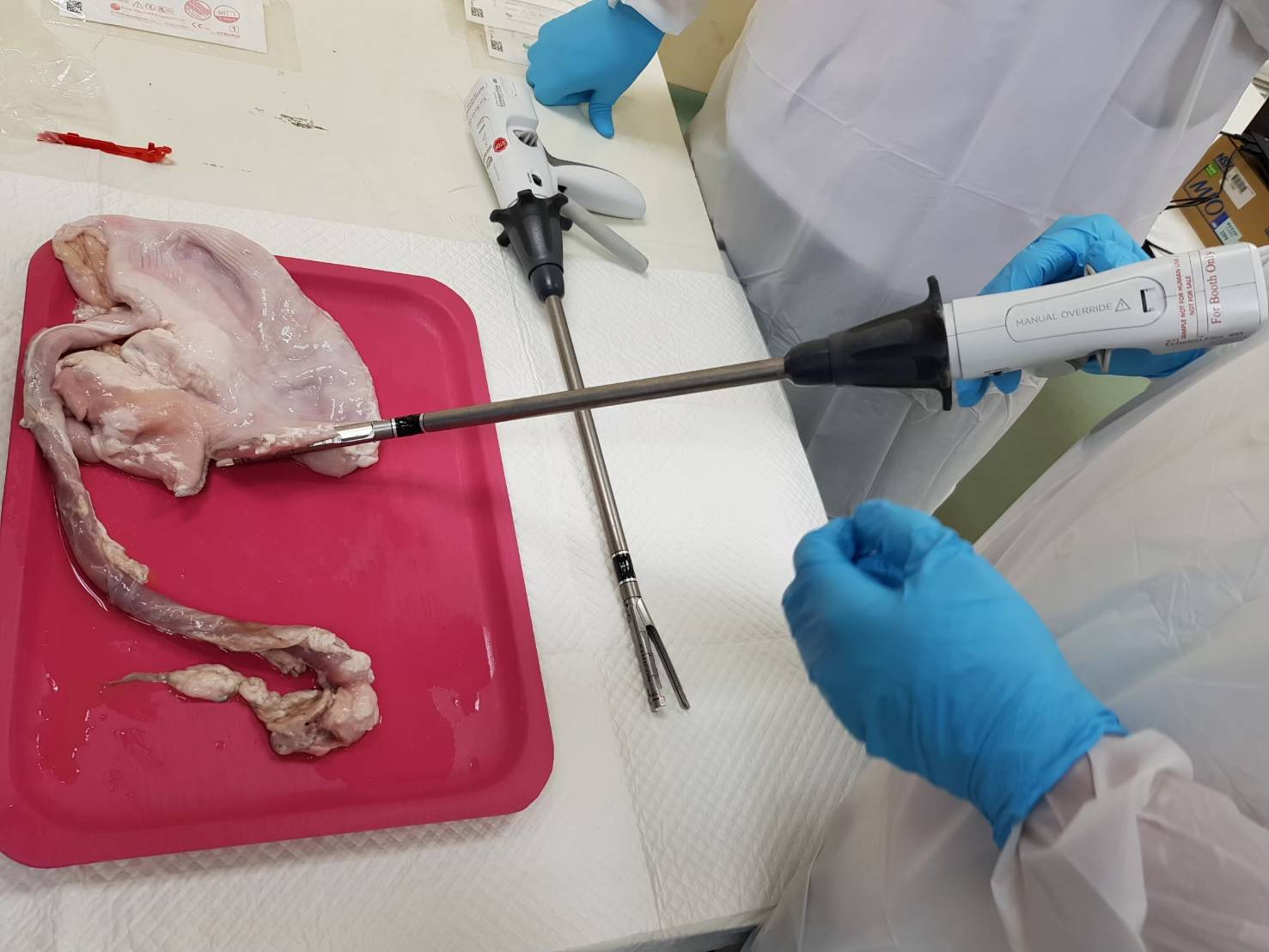 General
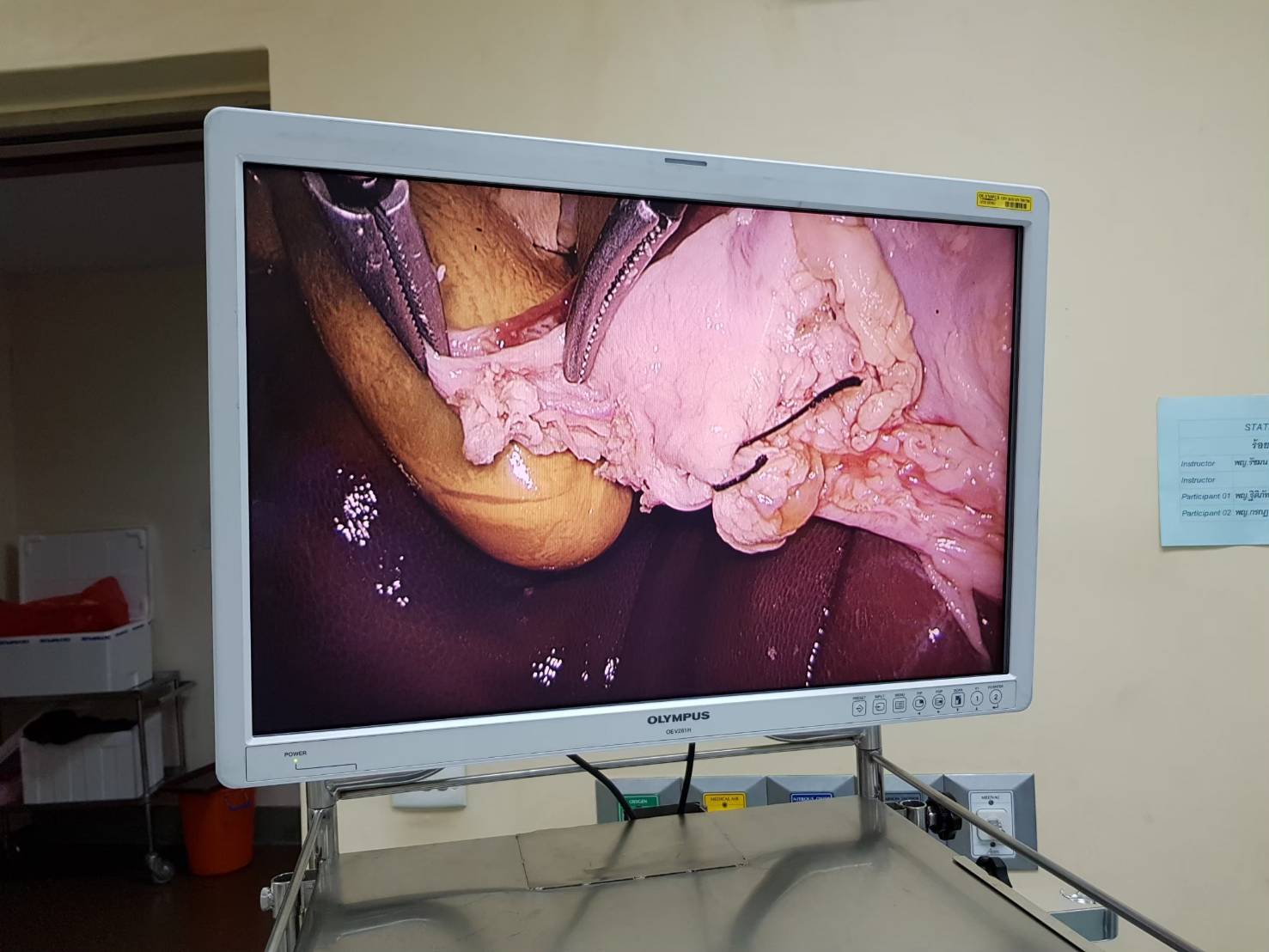 General
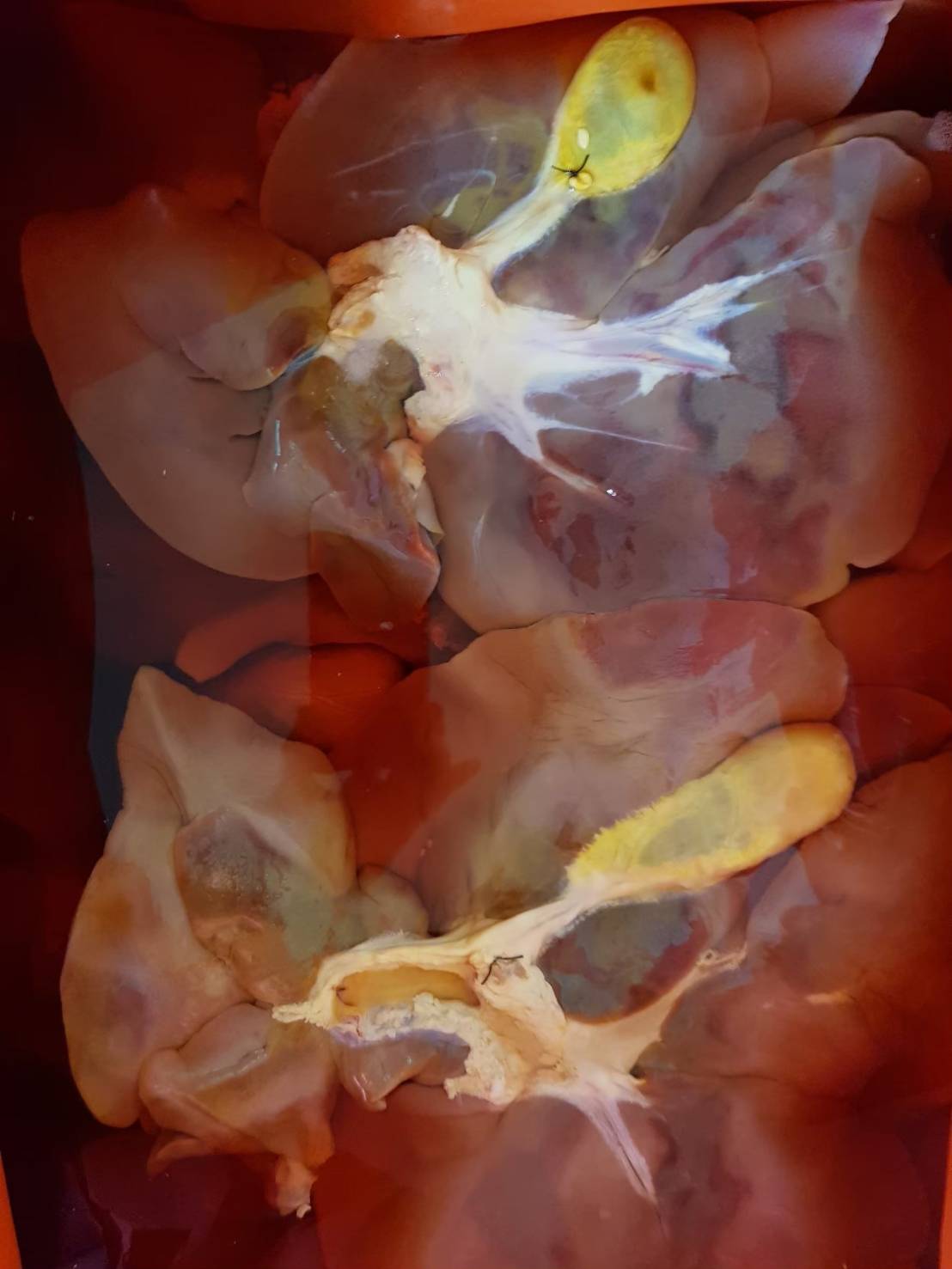 General
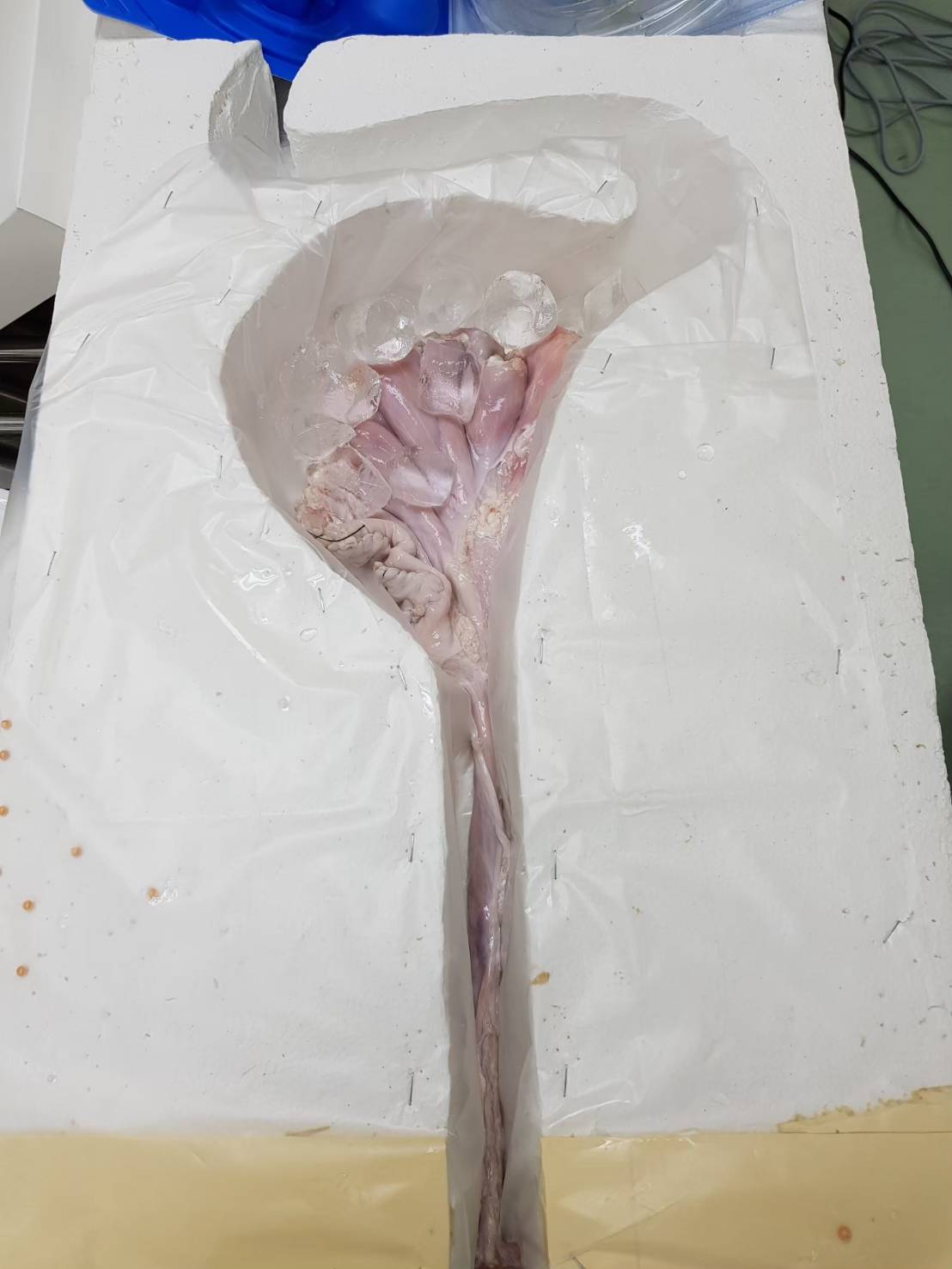 General
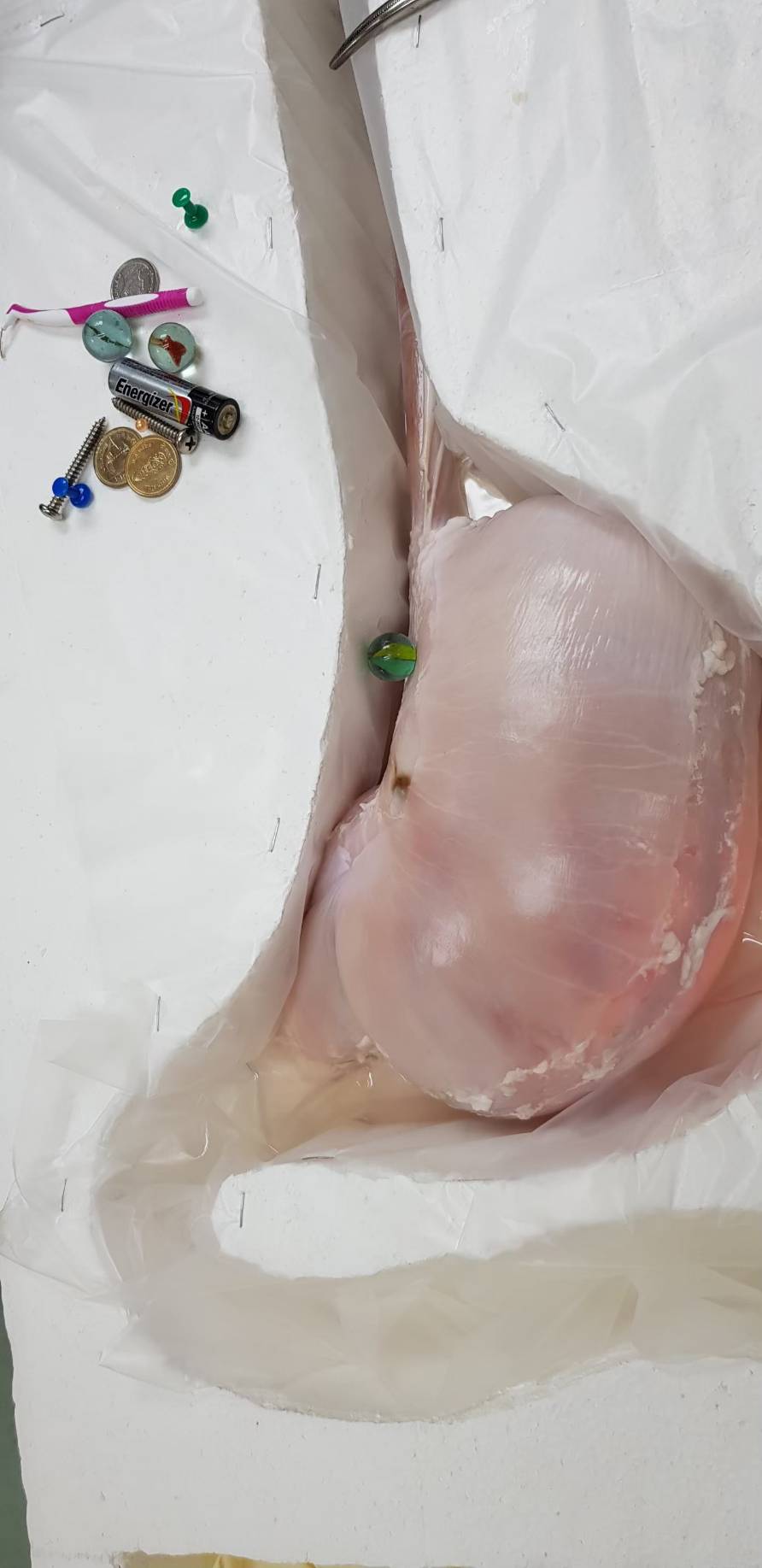 General
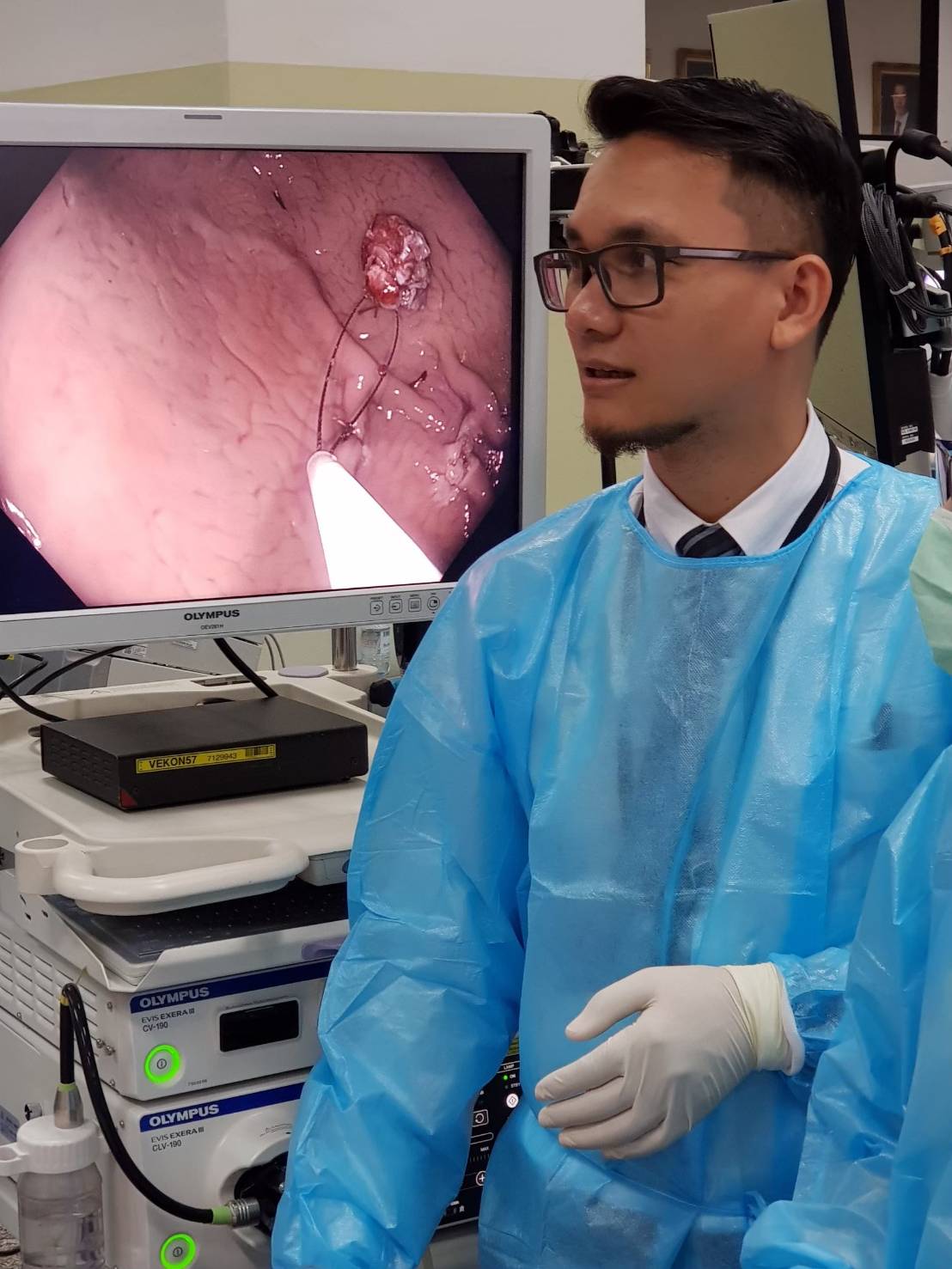 General
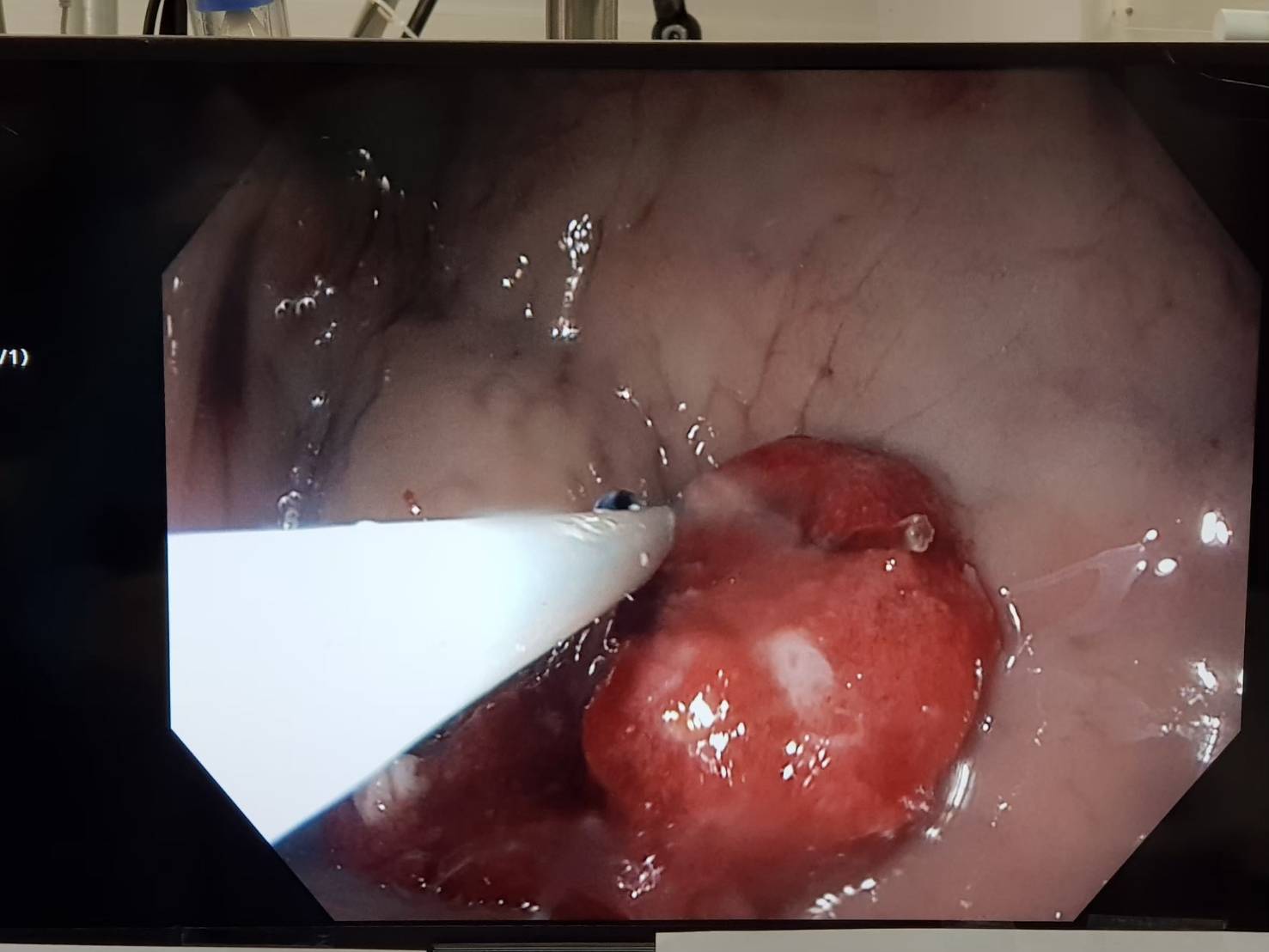 General
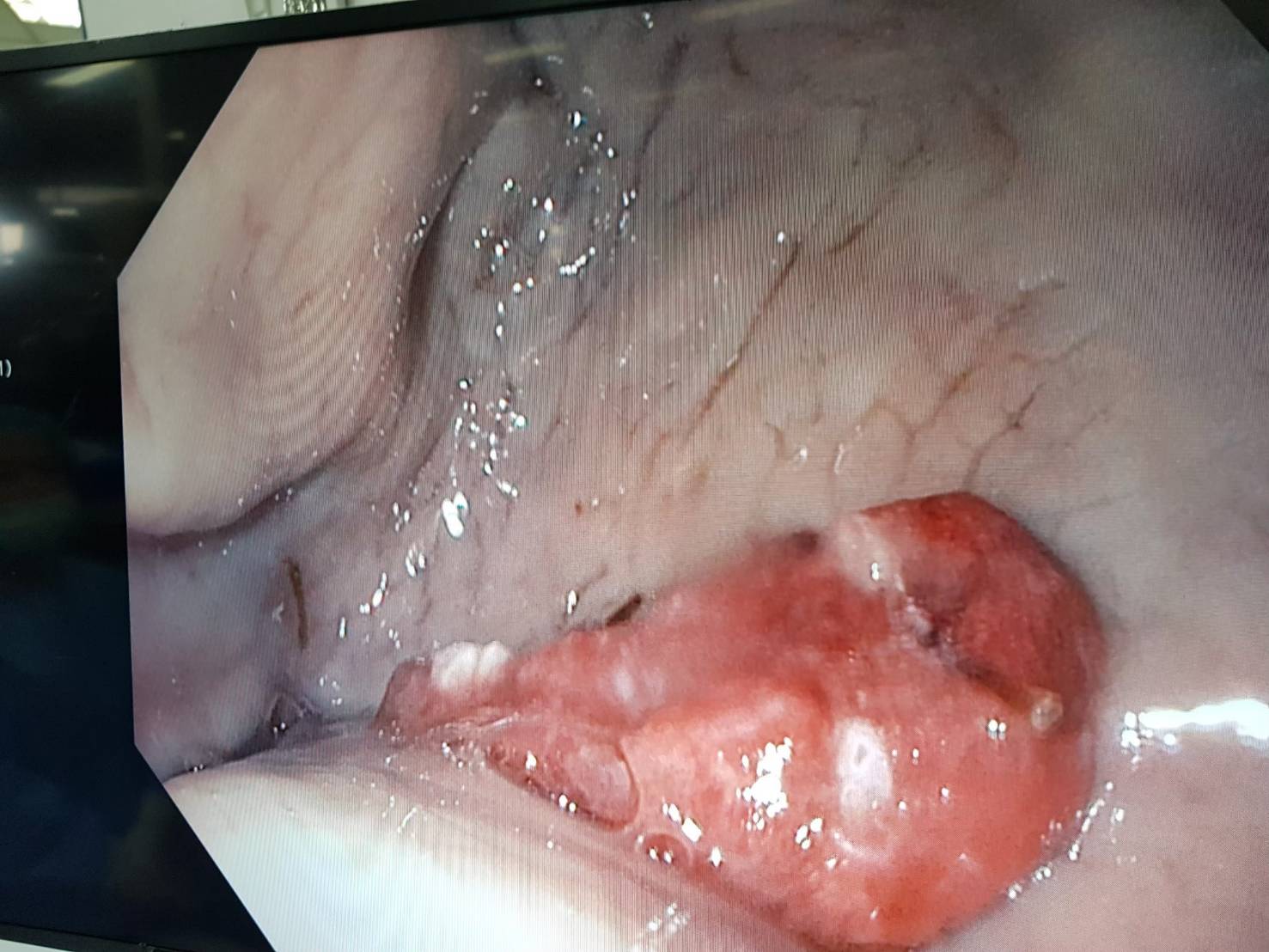 General
 General
 General
 General
 General
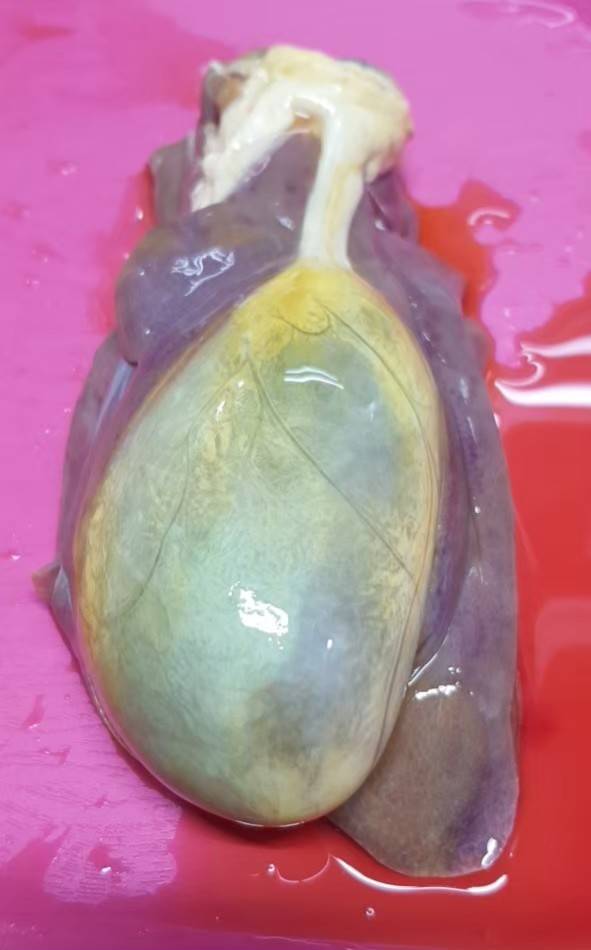 General
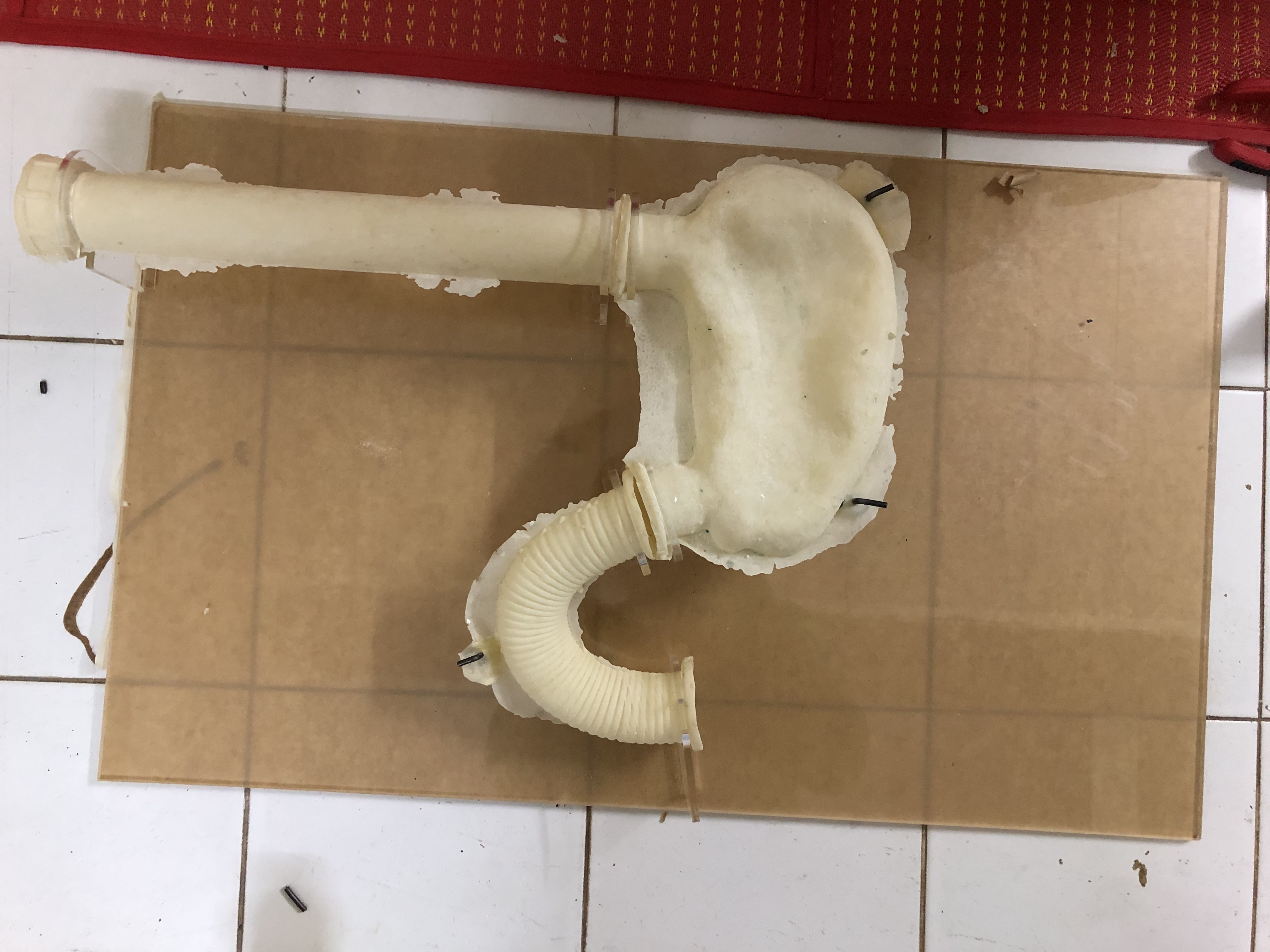 General
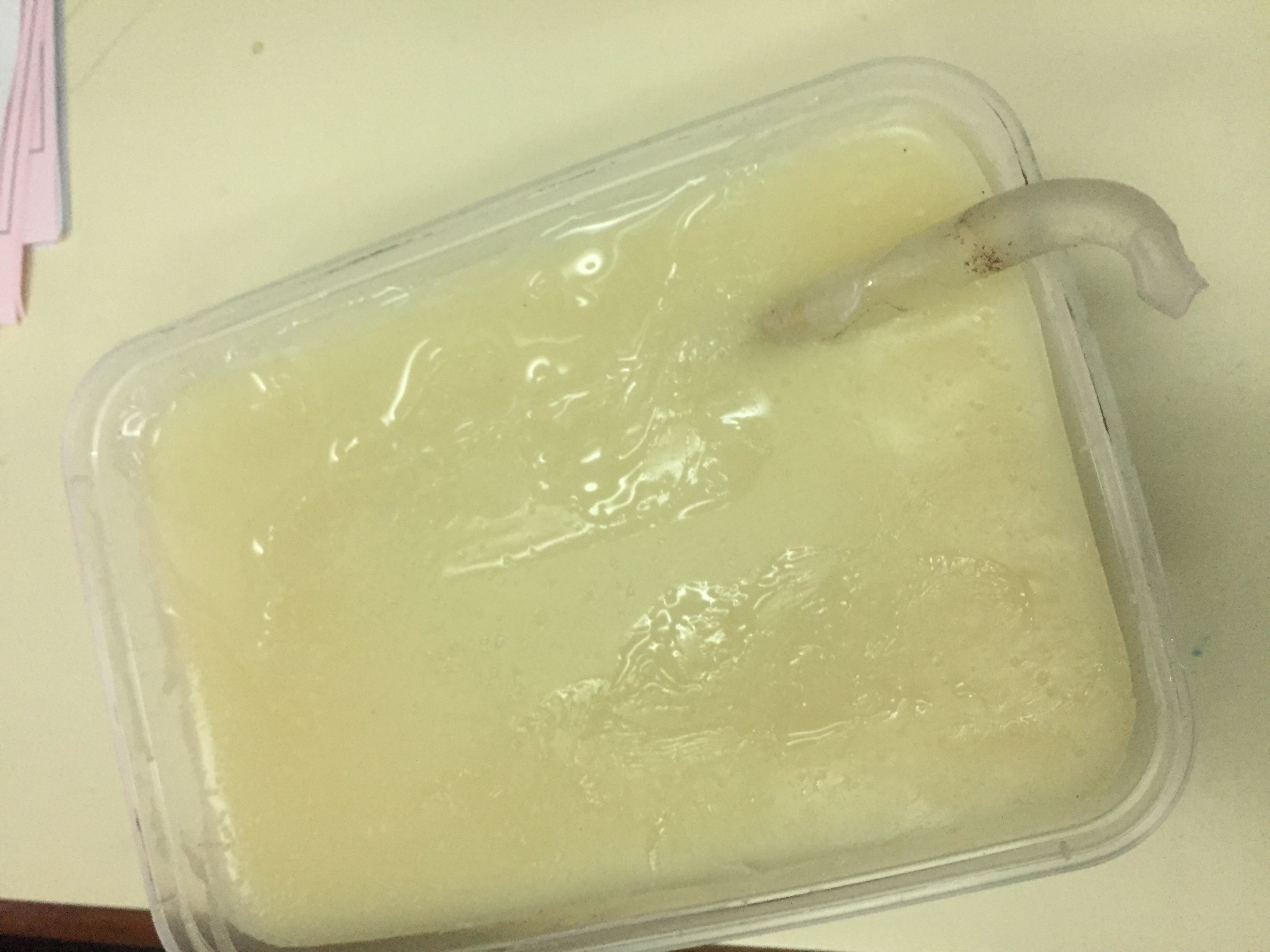 General
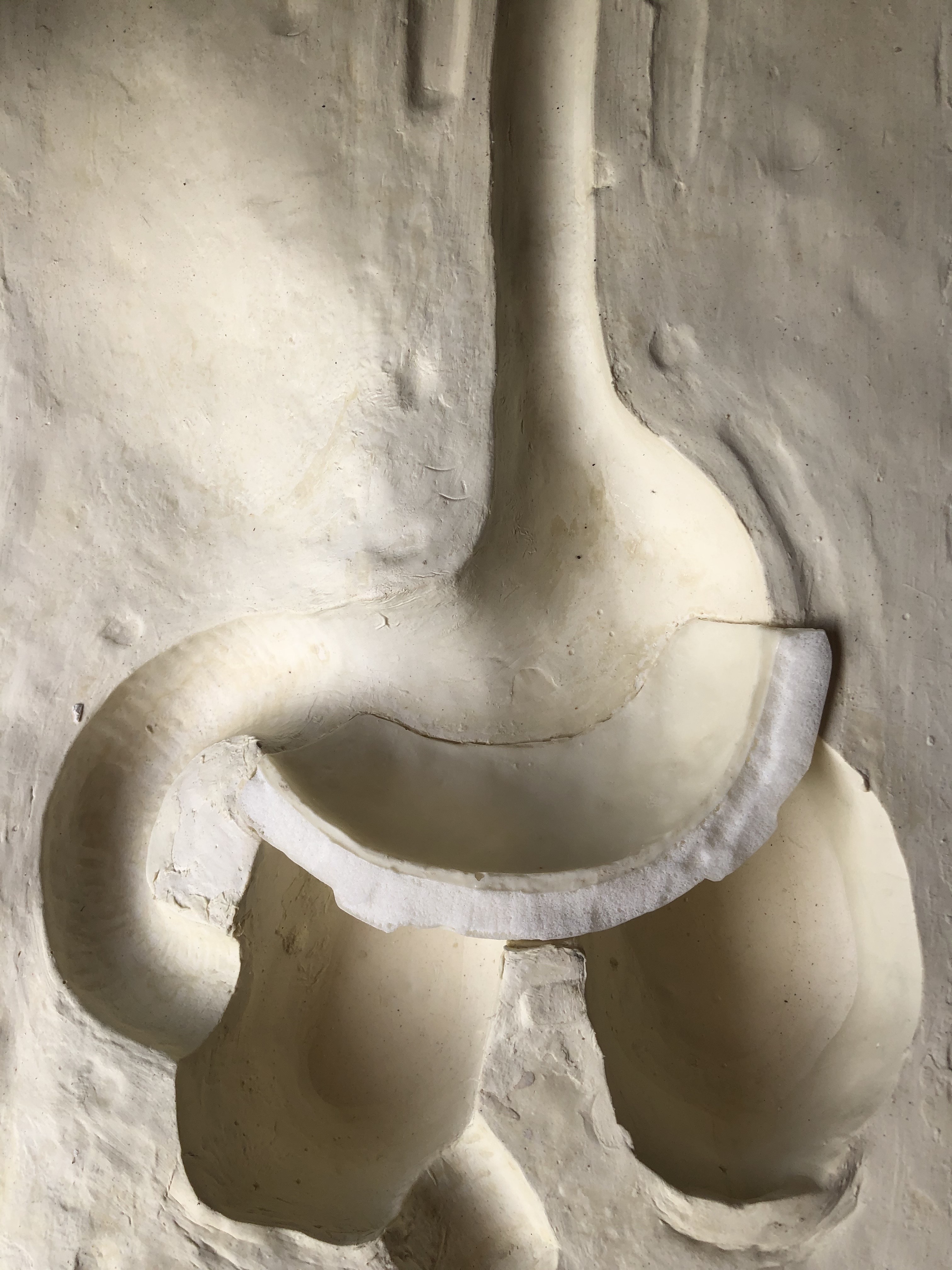 General
 General
 General
 General
 General
 General
 General
 General
 General
 General
 General
 General
 General
 General
 General
 General
 EUS-FNA/B
 EUS-FNA/B
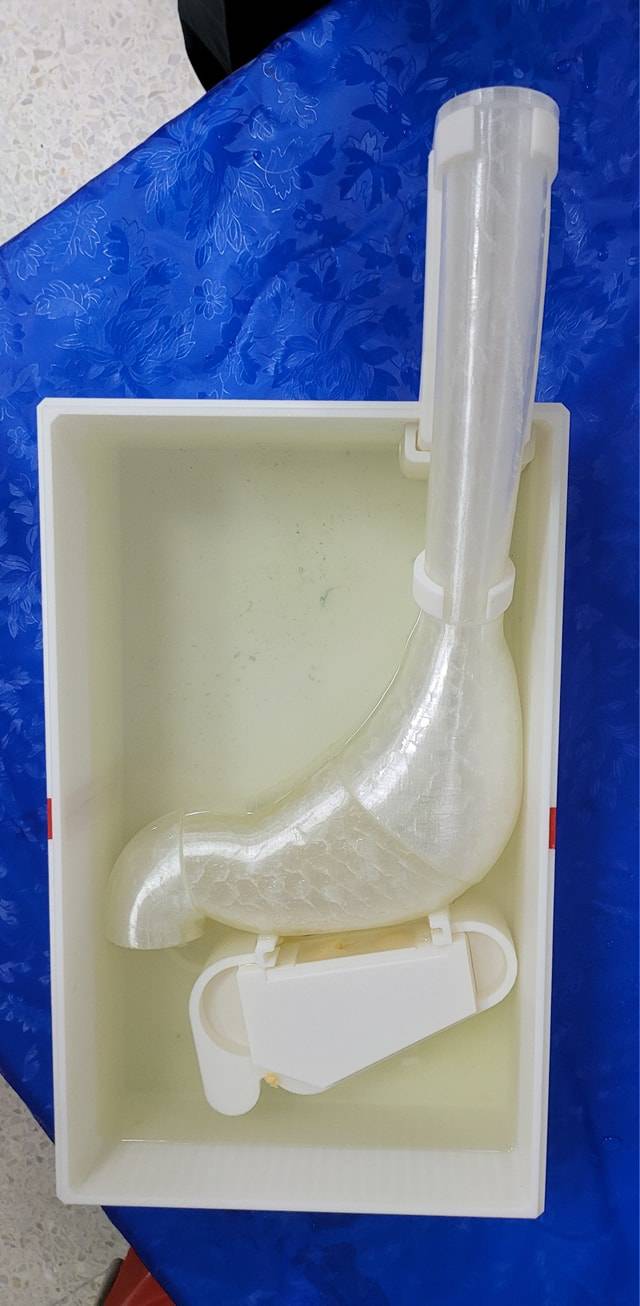 EUS-FNA/B
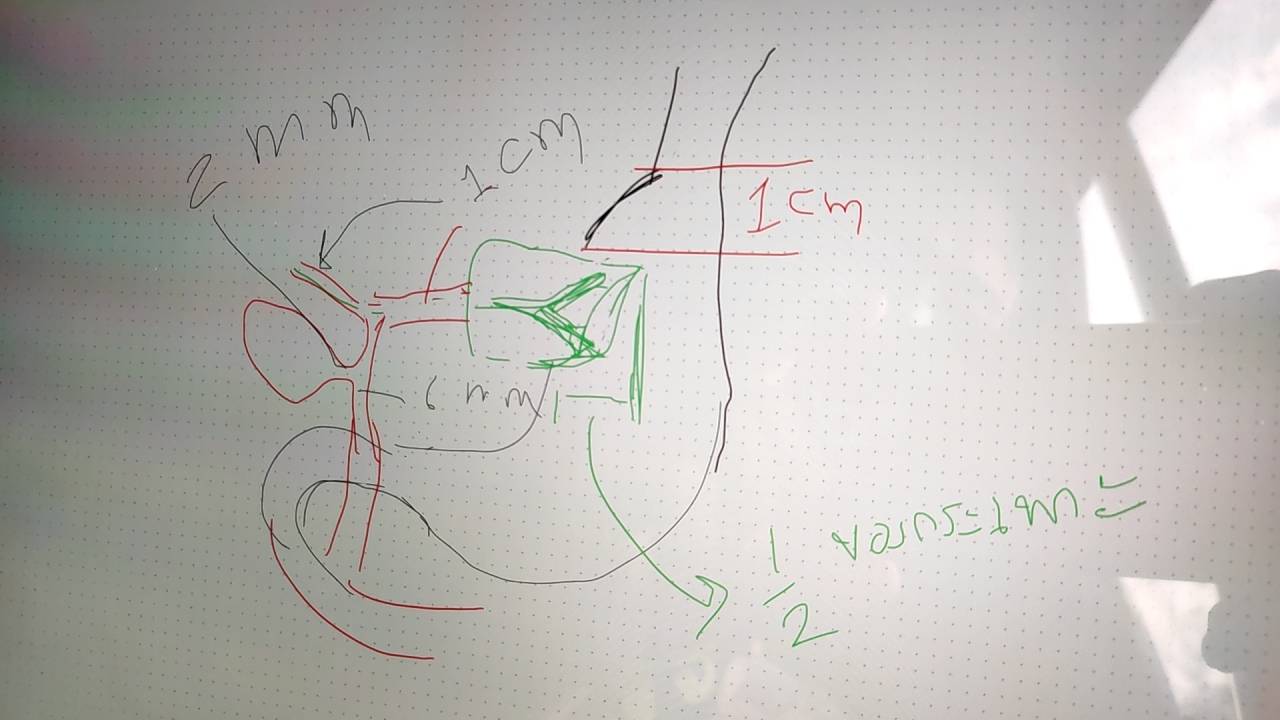 EUS-GJ
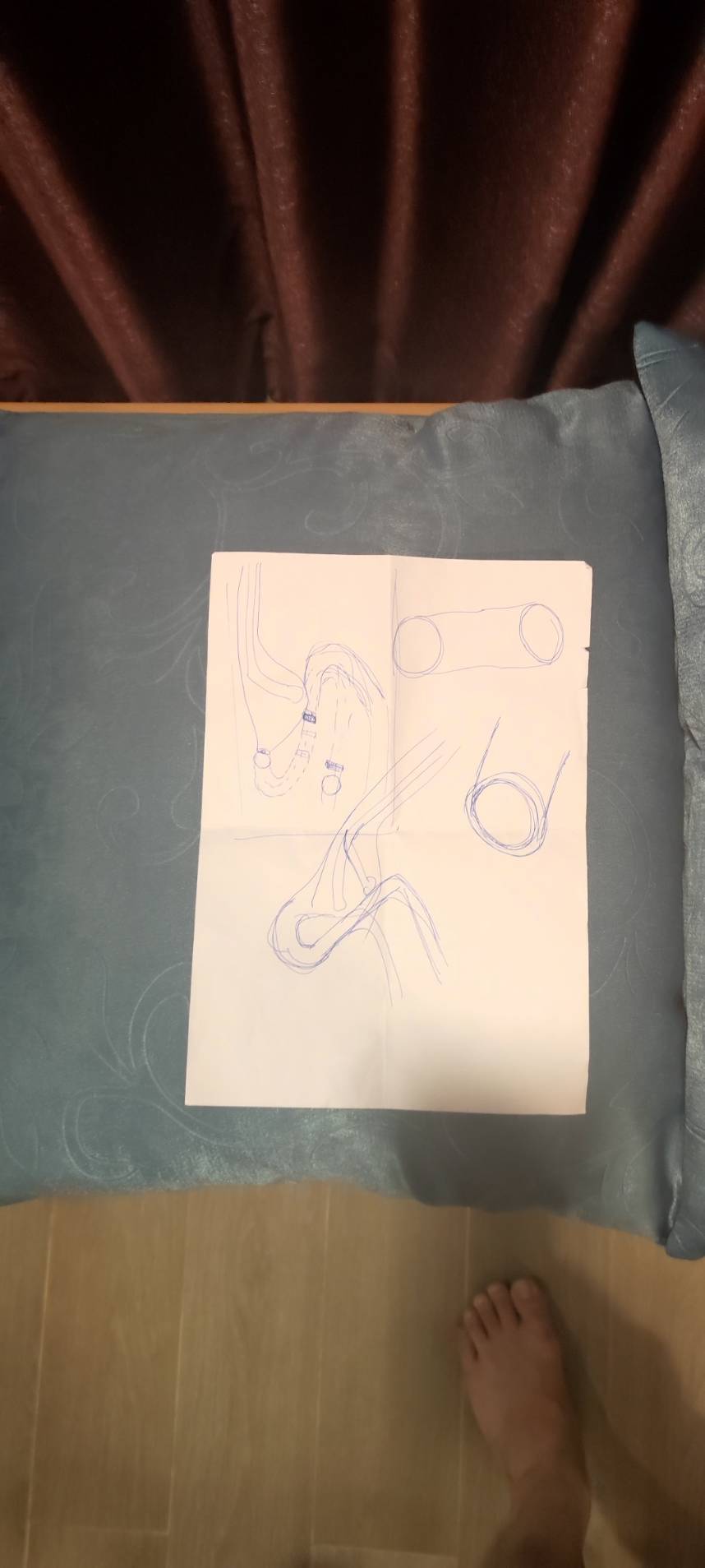 EUS-GJ
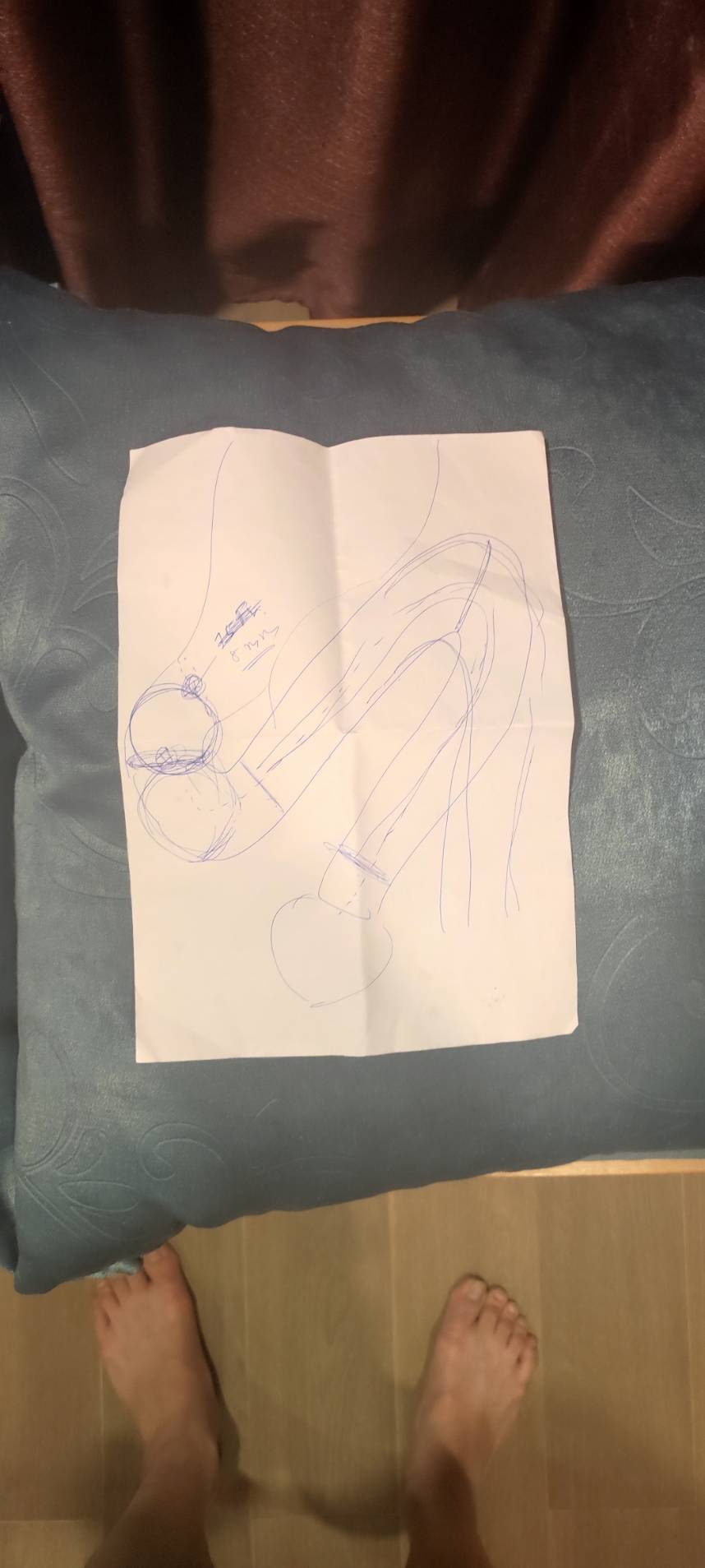 EUS-GJ
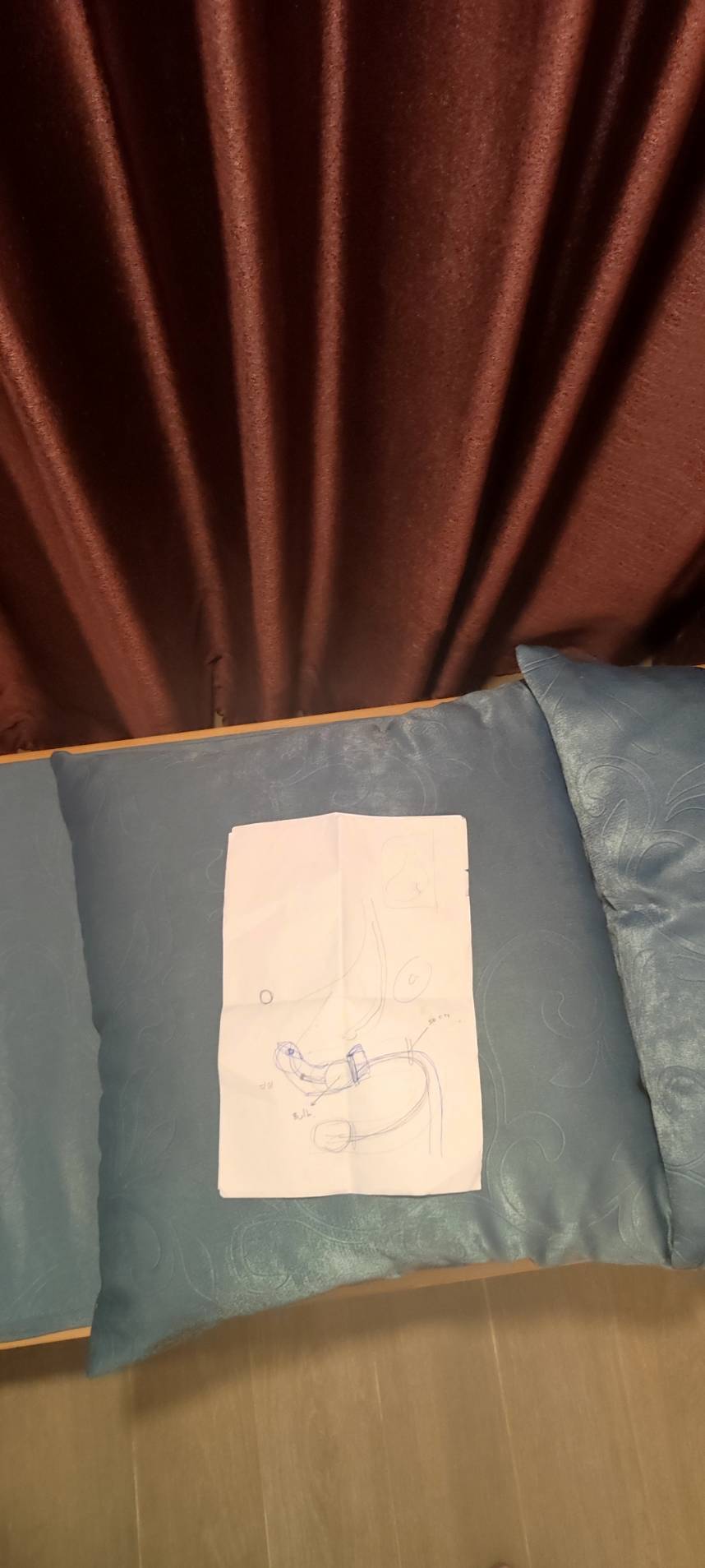 EUS-GJ
 EUS-GJ
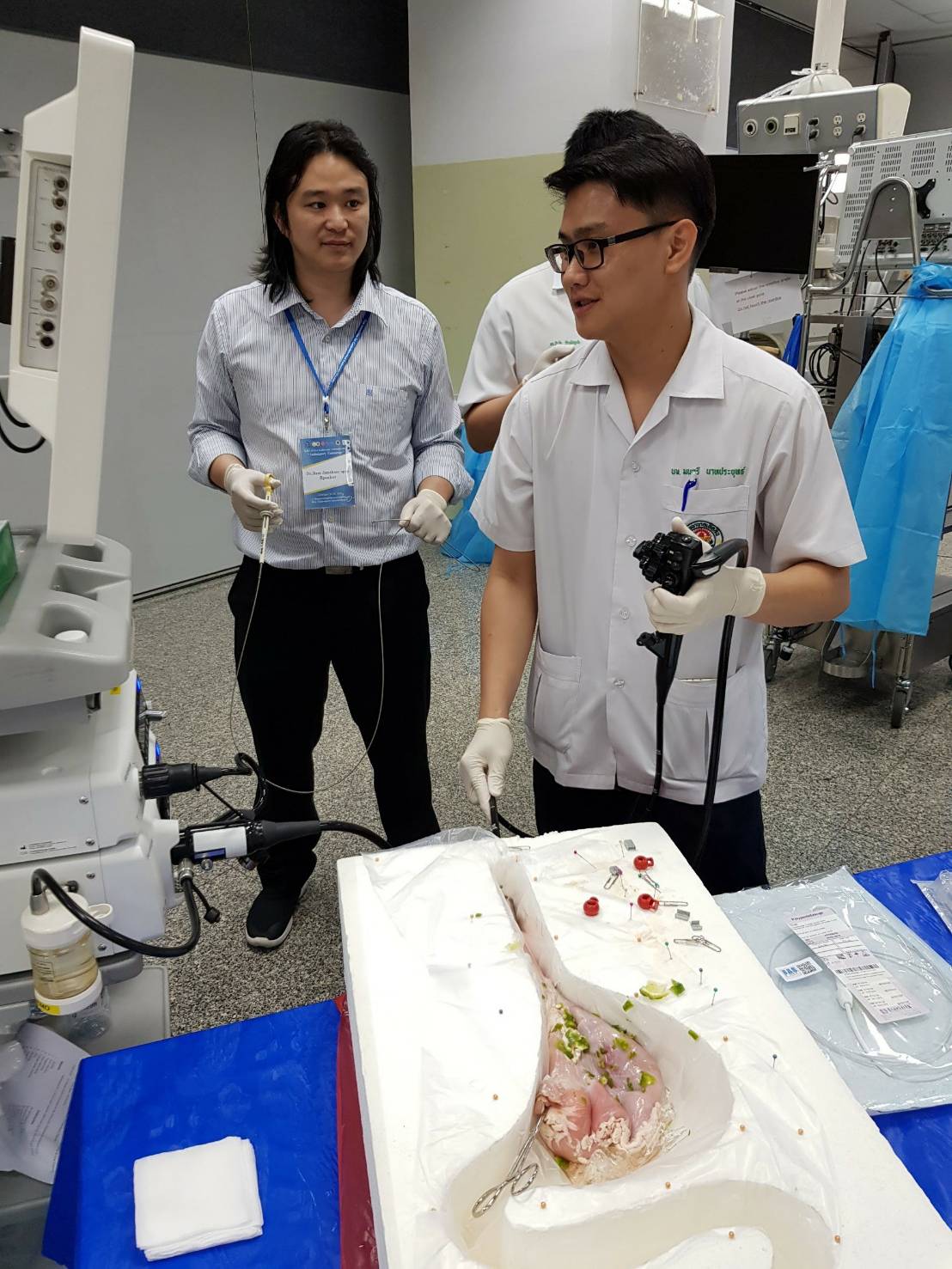 EUS-GJ
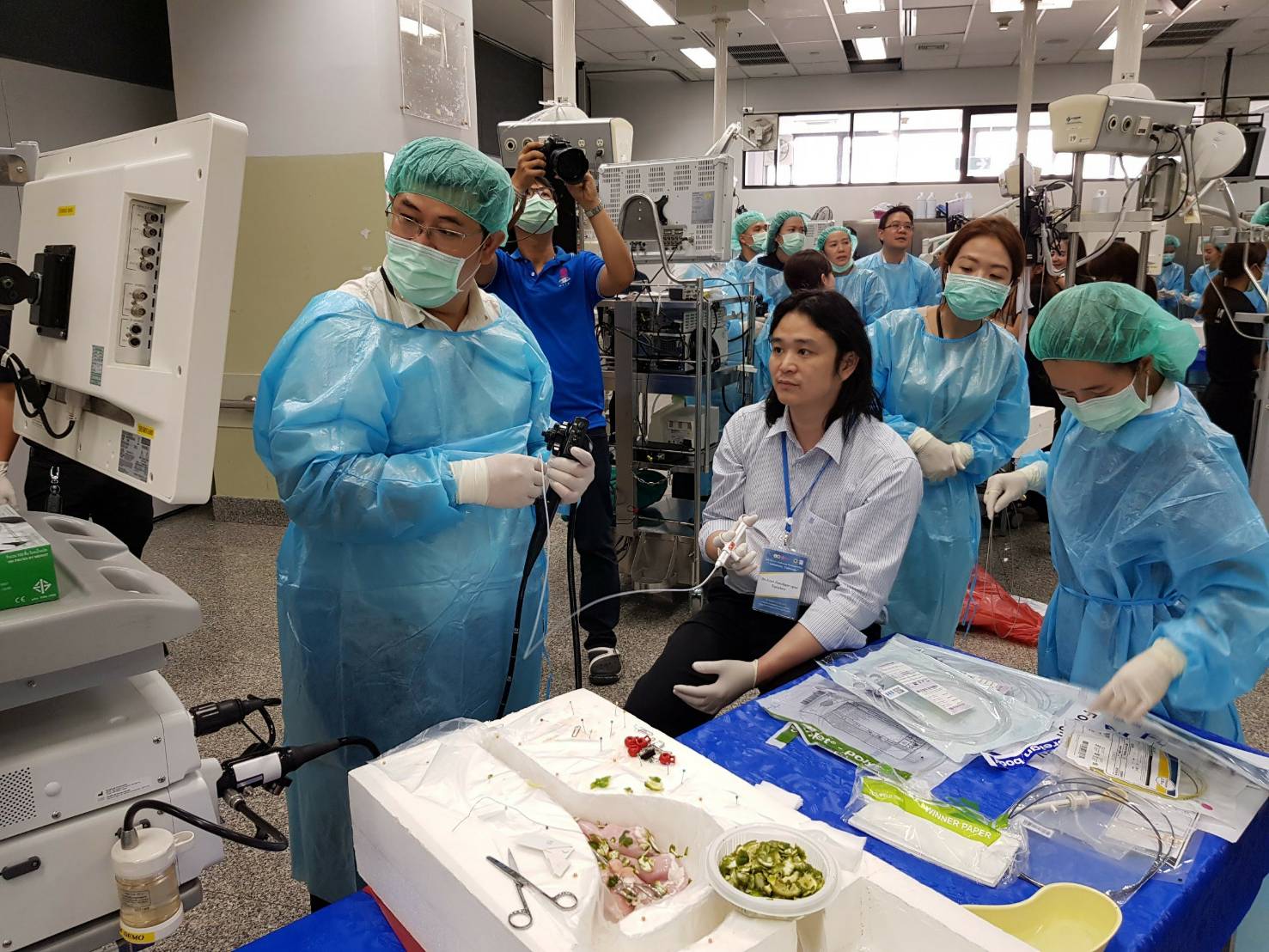 EUS-GJ
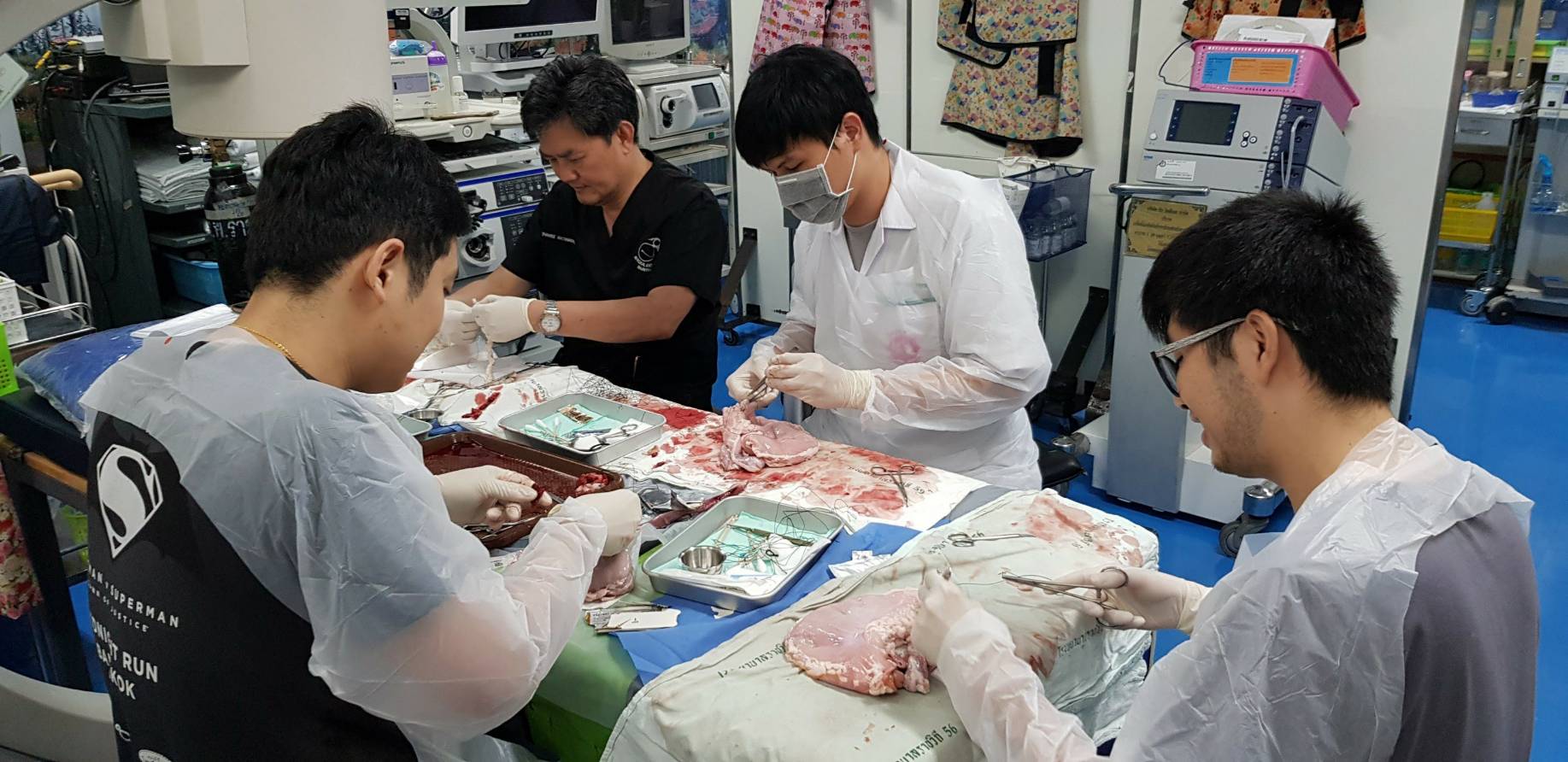 EUS-GJ
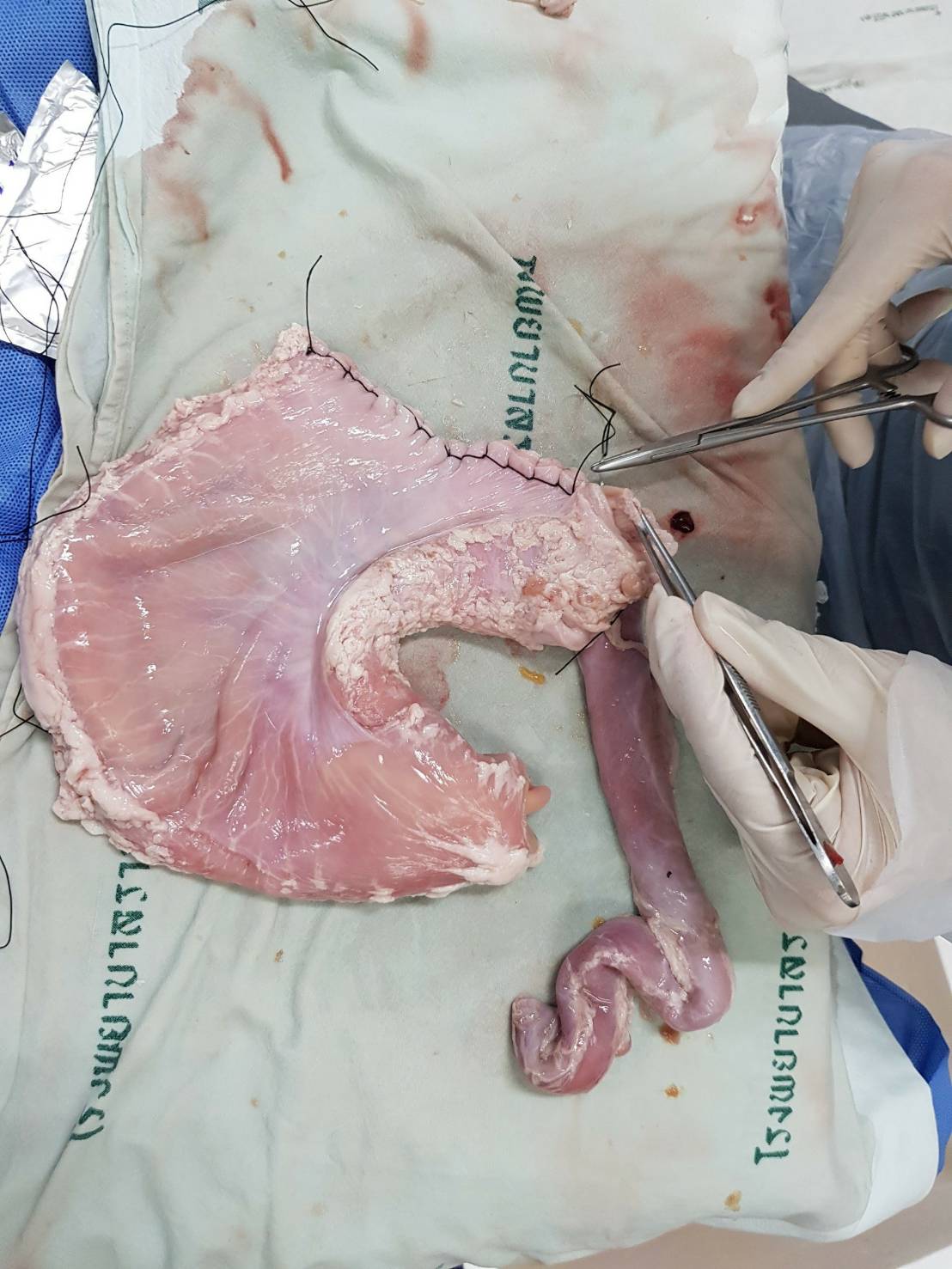 EUS-GJ
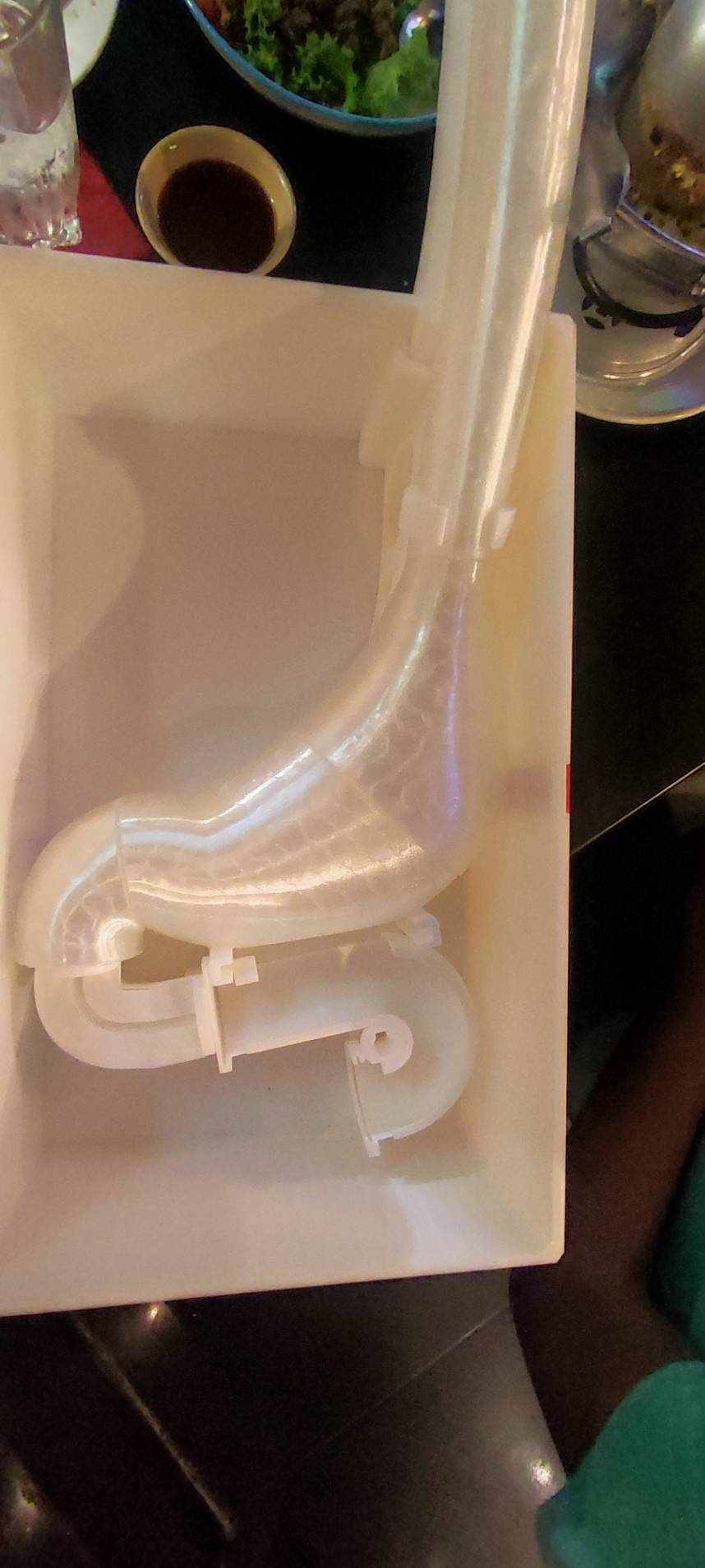 EUS-GJ
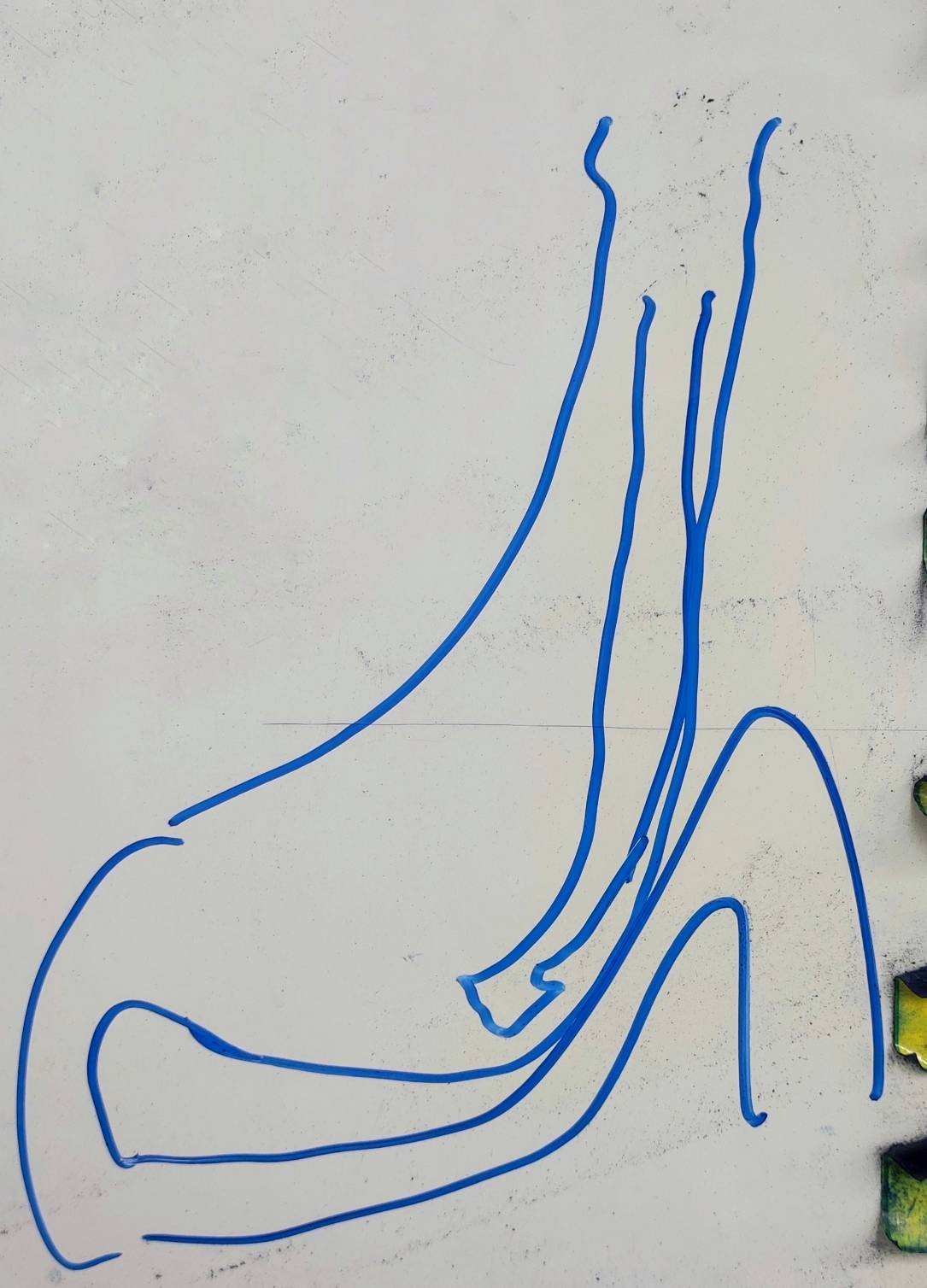 EUS-GJ
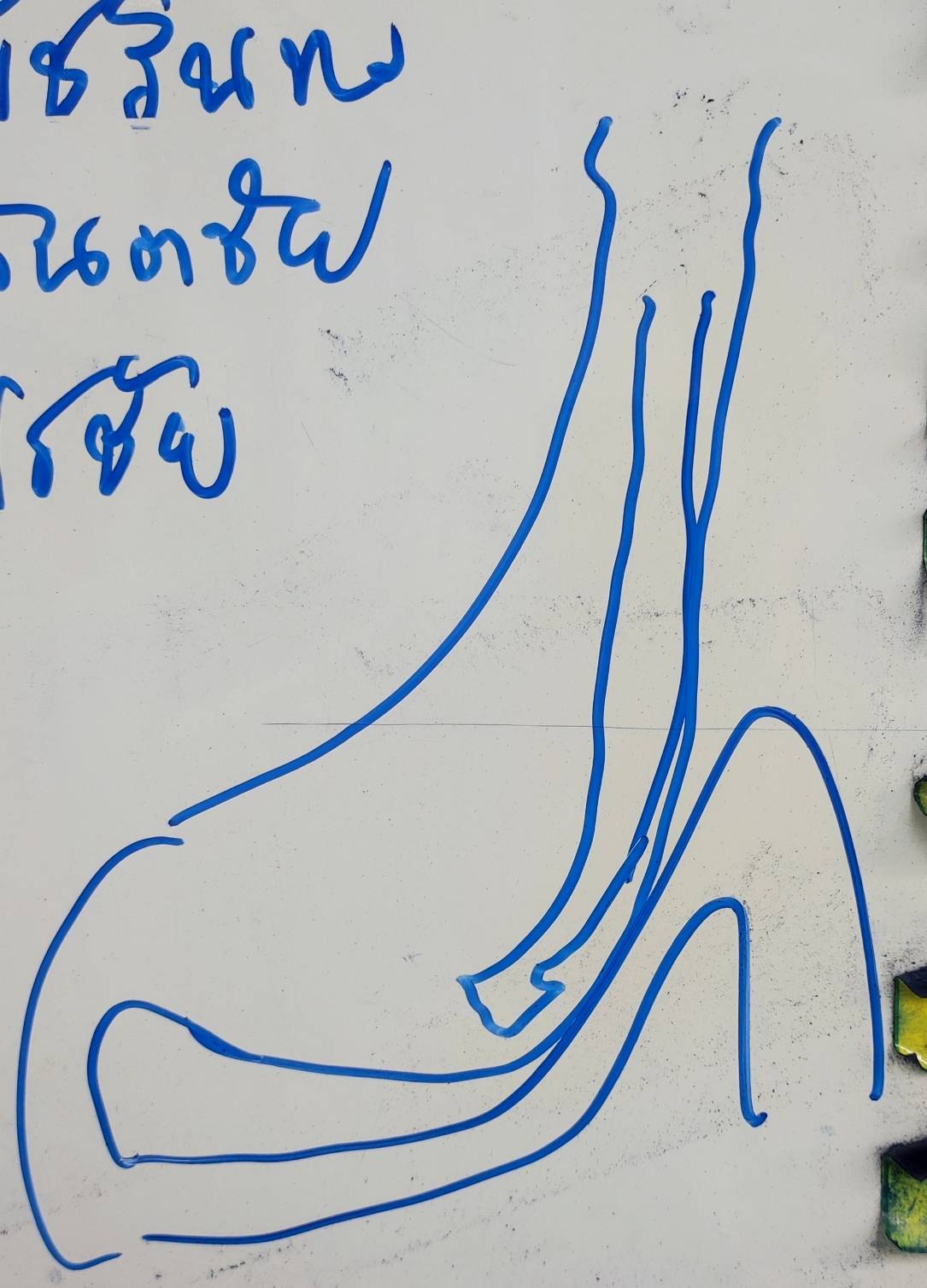 EUS-GJ
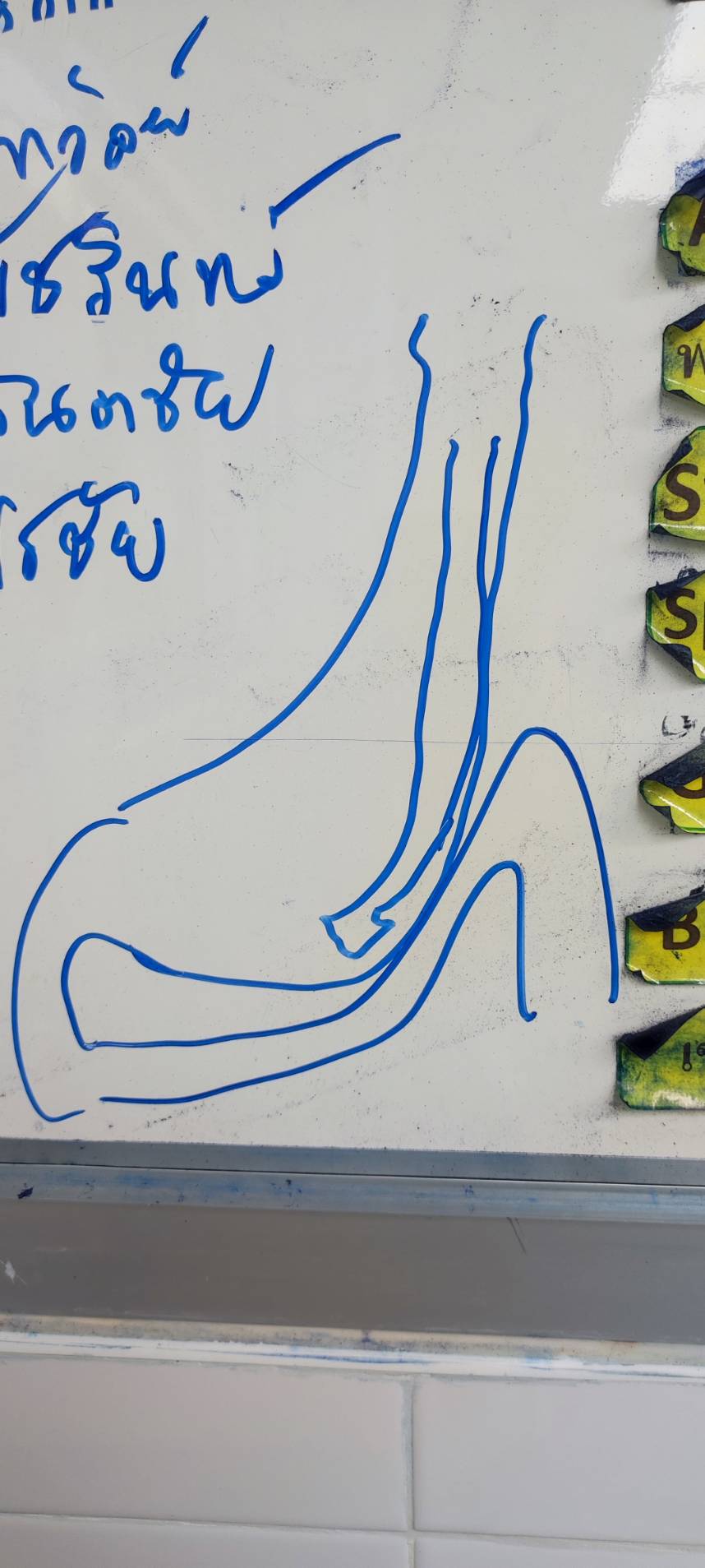 EUS-GJ
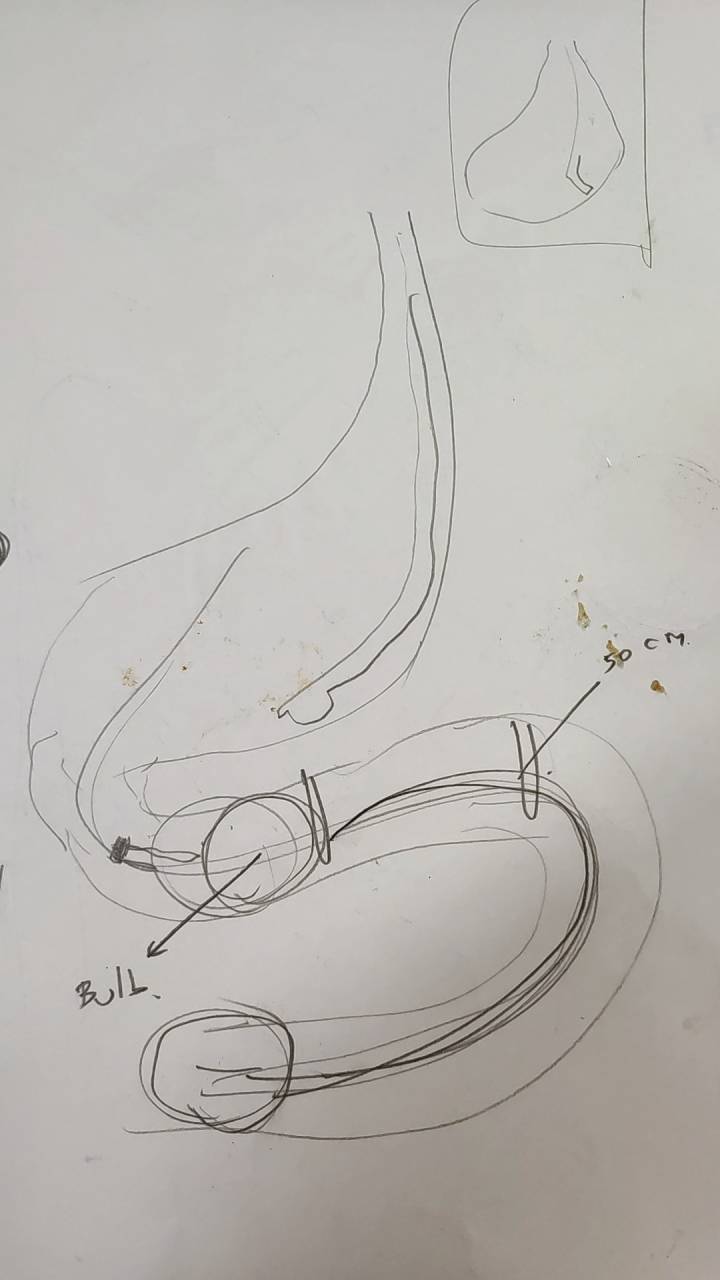 EUS-GJ
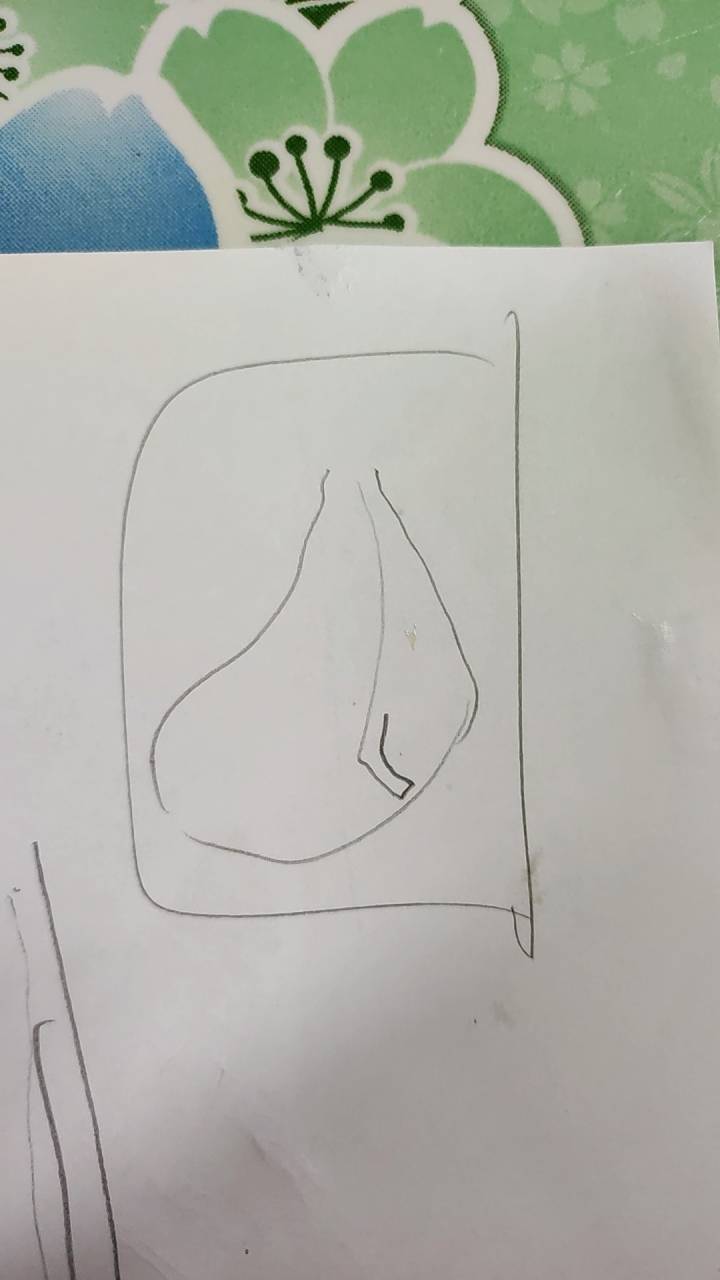 EUS-GJ
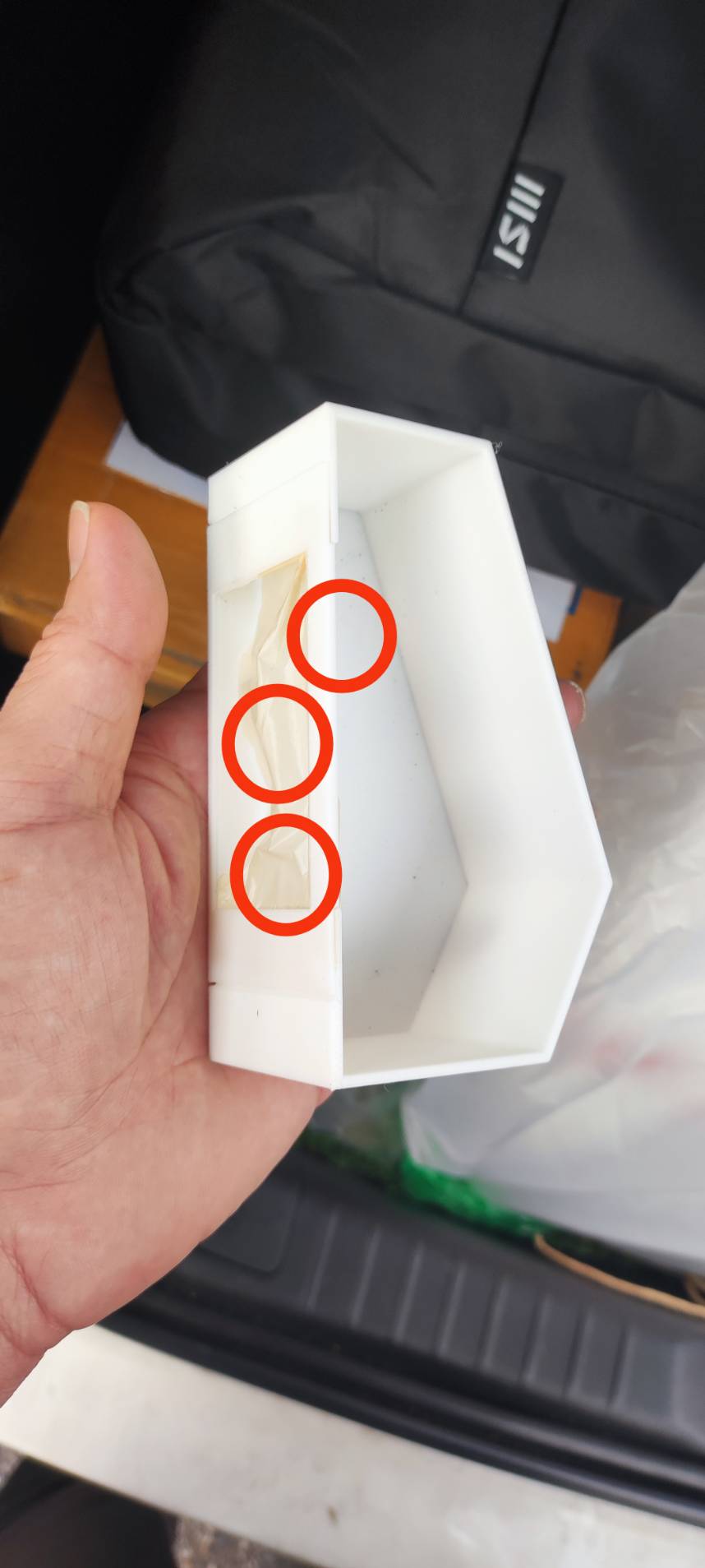 EUS-GJ
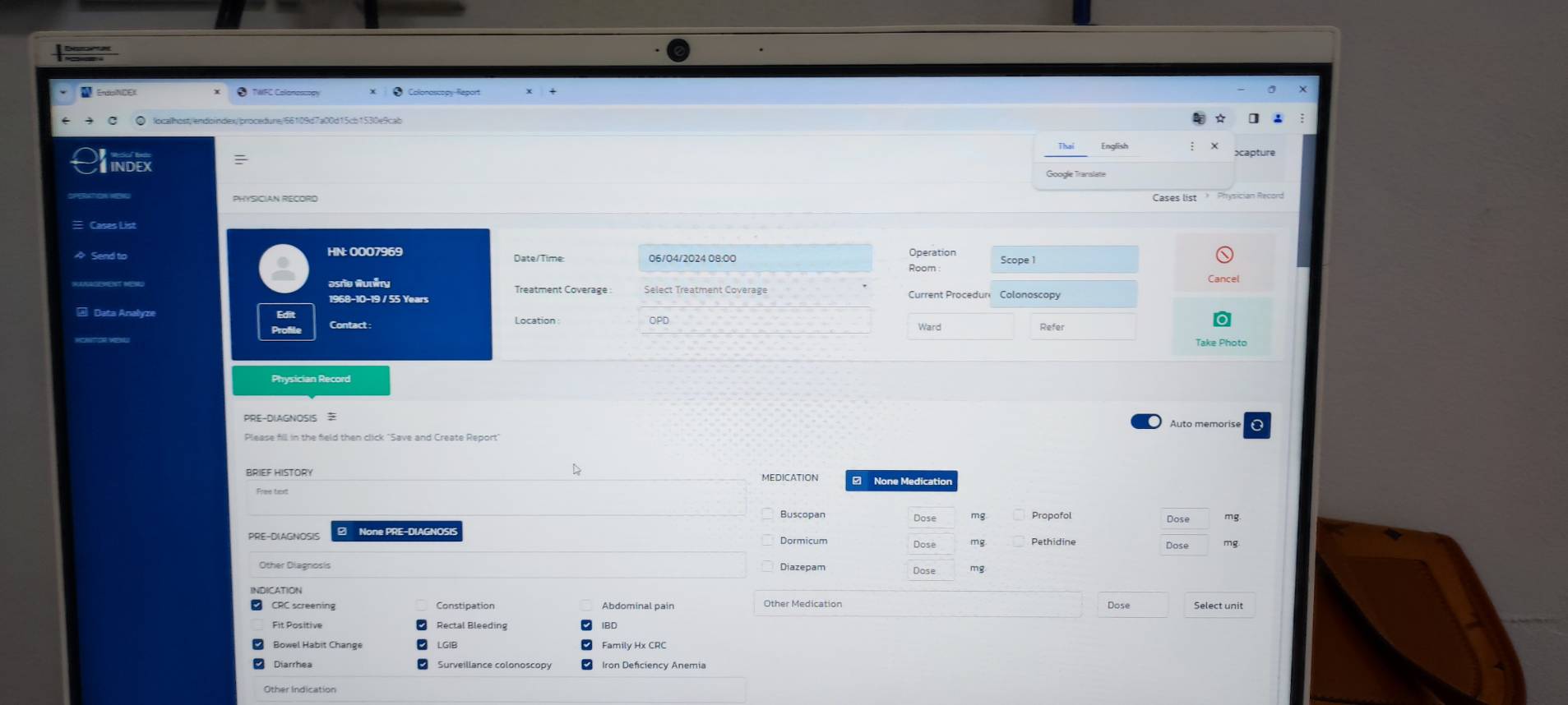 EUS-GJ
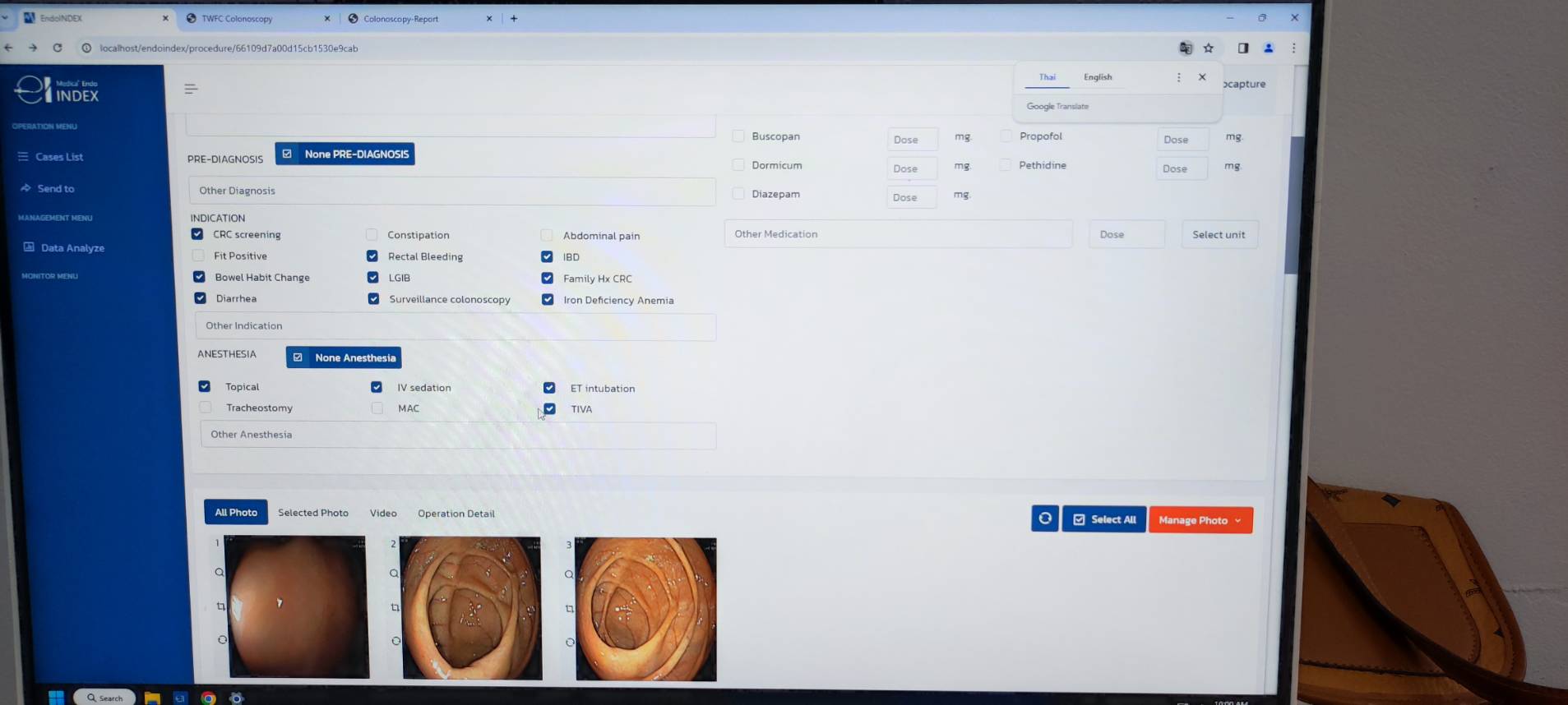 EUS-GJ
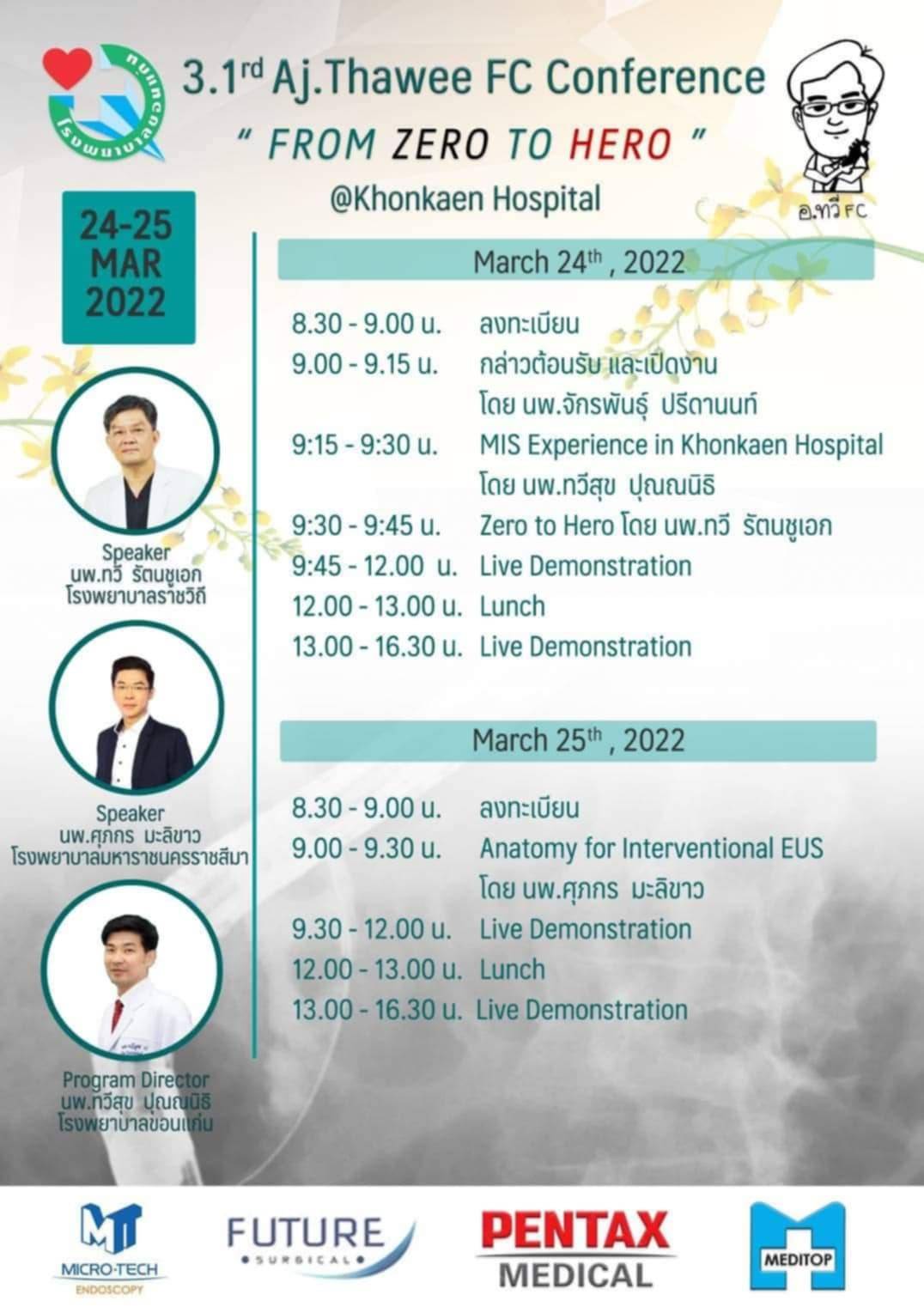 EUS-GJ
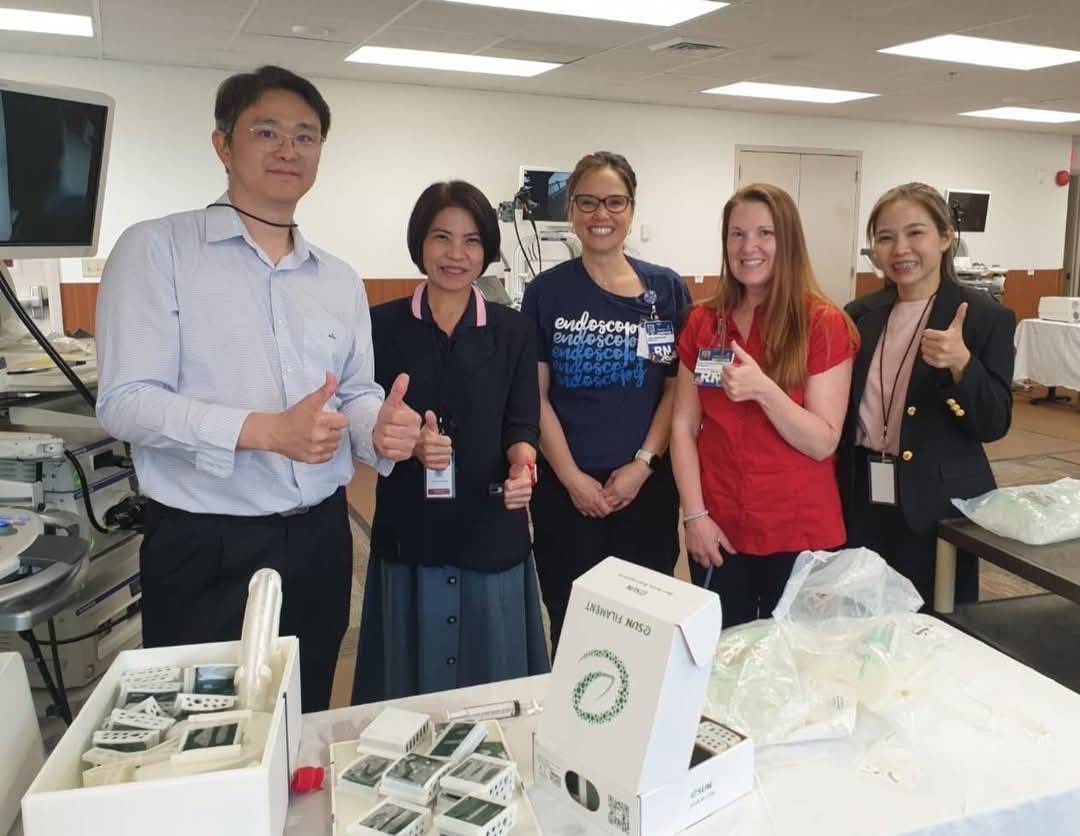 Ranoke
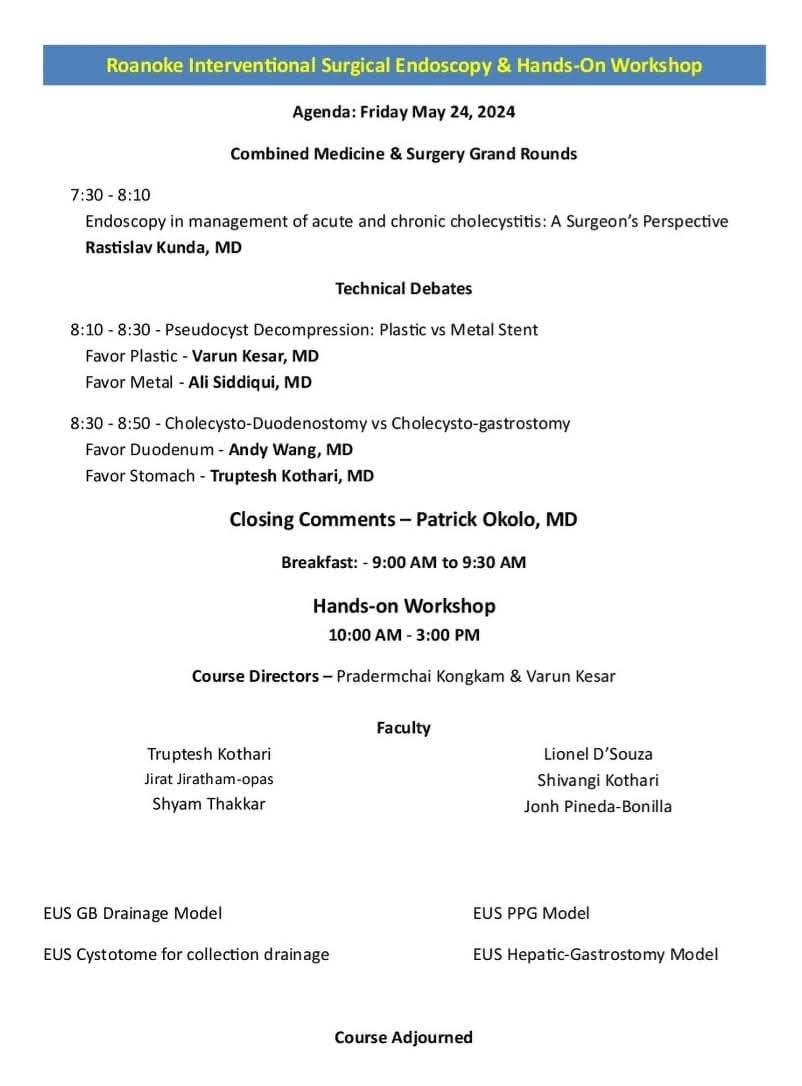 Ranoke
 Ranoke
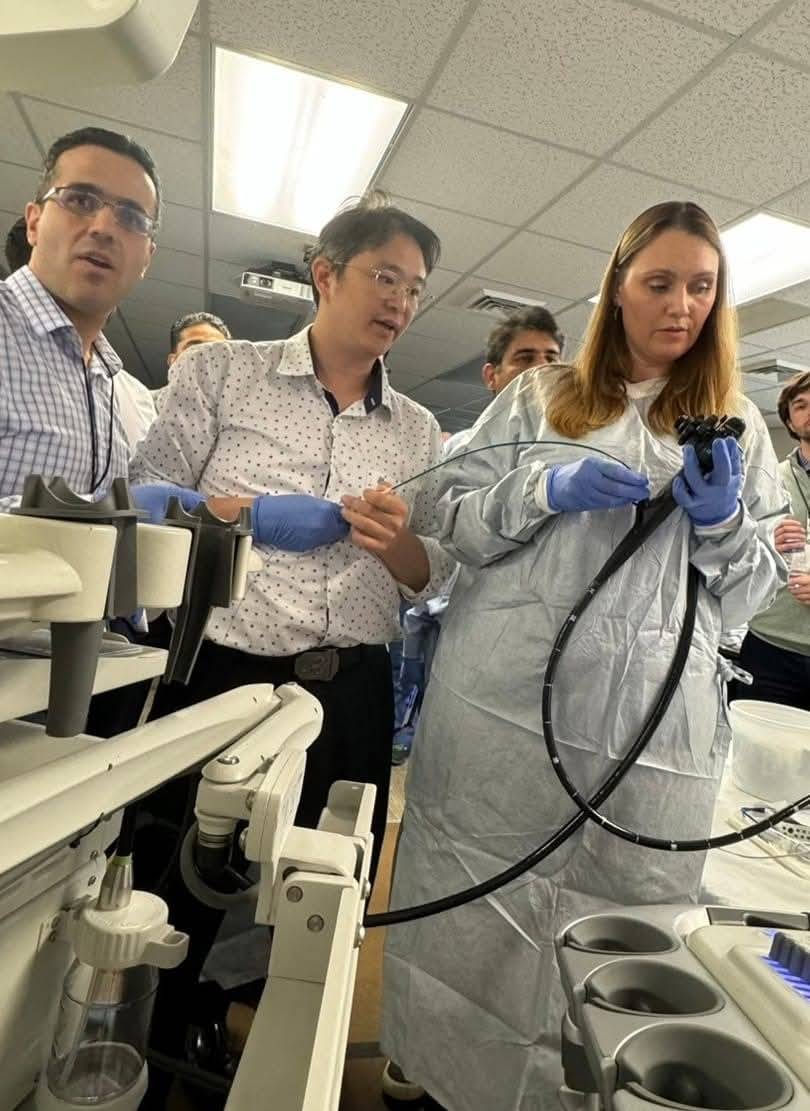 Ranoke